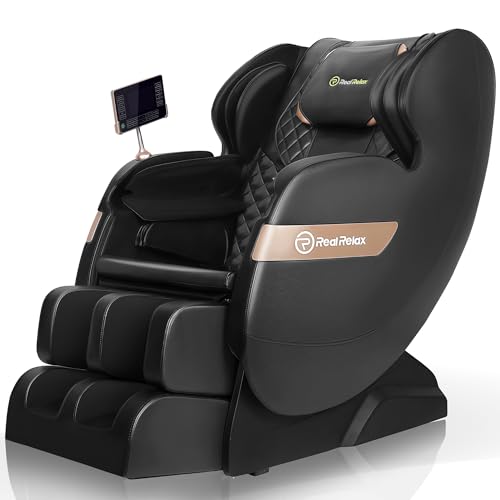
Neuropathy—damage to peripheral nerves causing pain, numbness, and tingling—affects millions of people, with diabetic neuropathy alone impacting about half of all diabetics. The discomfort can range from mild tingling to severe burning pain, often concentrated in the hands and feet. While massage chairs can't treat the underlying nerve damage, they can provide significant symptom relief through improved circulation, muscle relaxation, and pain-modulating sensory input. Understanding how to use massage chairs safely and effectively for neuropathy can make them a valuable part of symptom management.


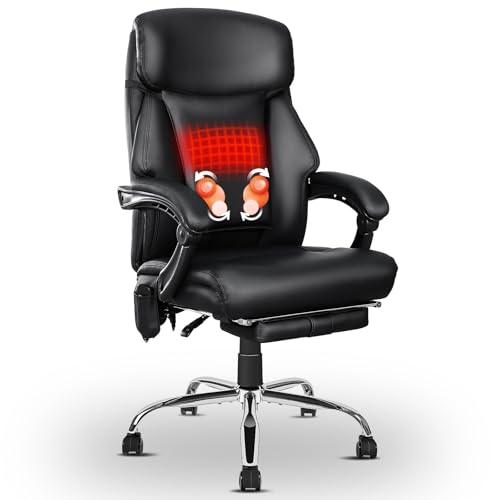
This guide covers how neuropathy responds to massage, which chair features provide the most benefit, and important safety considerations for neuropathy sufferers.

Table of Contents
Understanding Neuropathy and Nerve Pain
What Causes Neuropathy
For more information, check out our guide on Best Massage Chairs for Lower Back Pain.
Peripheral neuropathy results from damage to the nerves outside the brain and spinal cord. Diabetes is the most common cause, with high blood sugar damaging nerve fibers over time. Other causes include chemotherapy, alcohol abuse, vitamin deficiencies, autoimmune conditions, infections, and physical nerve compression.
The damage typically starts in the longest nerves, which is why symptoms usually begin in the feet and progress toward the body. Hands may also be affected, creating the "glove and stocking" pattern characteristic of many neuropathies.
Types of Neuropathic Symptoms
Sensory neuropathy causes abnormal sensations—tingling, burning, numbness, or hypersensitivity. Some people experience reduced sensation; others feel pain from stimuli that shouldn't be painful (allodynia). The unpredictable nature of these symptoms makes them particularly distressing.
Motor neuropathy affects muscle control, causing weakness, cramping, or coordination problems. Autonomic neuropathy affects involuntary functions like blood pressure, digestion, and sweating.
Many people experience combinations of these types. The symptoms may be constant or intermittent, mild or severe, and can significantly impact quality of life.
Why Circulation Matters
Poor circulation often accompanies neuropathy, particularly diabetic neuropathy. Reduced blood flow means less oxygen and nutrients reaching affected tissues, potentially worsening nerve function. Anything that improves circulation may support better nerve health and reduce symptoms.
How Massage Can Help Neuropathy
Circulation Enhancement
Massage increases blood flow to treated areas through direct mechanical action and by stimulating vasodilation. For neuropathy sufferers, this enhanced circulation delivers more oxygen to compromised tissues. While massage can't repair damaged nerves, better circulation supports whatever nerve function remains.
The circulation benefits are particularly valuable in the extremities where neuropathy symptoms concentrate. Foot and calf massage specifically targets the areas most affected in many neuropathy patients.
Pain Gate Modulation
Massage activates sensory nerves in ways that can reduce pain perception through a mechanism called the gate control theory. The pressure and movement of massage create sensory signals that compete with pain signals, effectively reducing how much pain you perceive.
This isn't a cure—the underlying nerve damage remains—but the temporary relief from neuropathic pain can be significant. Many neuropathy patients find that massage provides hours of reduced symptoms after each session.
Muscle Tension Relief
Neuropathy often leads to muscle tension and cramping as the body compensates for sensory and motor problems. This secondary muscle tension adds to overall discomfort. Massage addresses this muscular component, reducing total pain even when the neuropathic component remains.
Stress and Anxiety Reduction
Chronic pain creates chronic stress, and stress can intensify pain perception. Massage activates the parasympathetic nervous system, reducing stress hormones and promoting relaxation. This stress reduction creates conditions more favorable for managing neuropathic symptoms.
Important Safety Considerations
Reduced Sensation Risks
Numbness from neuropathy creates a significant safety concern: you may not feel when massage is too intense or causing harm. Without normal pain feedback, you can't rely on discomfort to tell you when to stop or reduce intensity.
This means you must be conservative with massage intensity, particularly in numb areas. Start at the lowest intensity settings and increase gradually over multiple sessions. Never use maximum intensity on areas with reduced sensation—you can't accurately gauge its effect.
Skin Fragility
Neuropathy often accompanies conditions (like diabetes) that affect skin integrity. Fragile skin can be damaged by massage that would be safe for healthy tissue. Check your skin before and after massage sessions for any signs of damage. If you have open wounds, ulcers, or significantly compromised skin, avoid massage in those areas.
Blood Sugar Considerations
For diabetic neuropathy, be aware that massage can affect blood sugar levels. The improved circulation and muscle relaxation may influence how your body processes glucose. Monitor your blood sugar as you establish your massage routine and consult with your healthcare provider about any adjustments needed.
Medical Coordination
Before beginning regular massage chair use for neuropathy, discuss your plans with your healthcare provider. They can advise on any specific precautions based on your type of neuropathy and overall health status. Some neuropathy causes may have contraindications for massage that aren't immediately obvious.
Key Massage Chair Features for Neuropathy
For more information, check out our guide on Best Massage Chairs for Chronic Pain.
Graduated Intensity Control
Fine-grained intensity adjustment is essential for neuropathy users. You need the ability to start very gentle and make small increases. Chairs with only three intensity levels (low, medium, high) may not provide adequate control—look for five or more levels with meaningful difference between each.
The lowest intensity setting should be genuinely gentle, not just "less aggressive." Some chairs' lowest settings are still quite firm, which may be too much for numb areas.
Quality Foot Massage
Since neuropathy commonly affects feet first and most severely, foot massage capability matters greatly. Look for foot rollers that work the sole combined with airbag compression around the foot. The combination provides both specific pressure point work and general circulation enhancement.
Intensity control for feet specifically is valuable. Some chairs let you adjust foot massage intensity separately from other areas—useful when foot sensitivity differs from the rest of your body.
Calf Compression
Calf massage supports circulation to the feet and addresses the lower leg area often affected by neuropathy. Airbag compression that squeezes rhythmically promotes blood and lymph flow. Look for comprehensive calf coverage rather than minimal airbag placement.
Arm and Hand Options
If your neuropathy affects your hands, arm massage capability becomes important. Airbag compression in the armrests can help with hand and forearm symptoms. Not all chairs include arm massage—verify this feature if hand symptoms are significant for you.
Heat Therapy
Heat improves circulation and can provide comfort for neuropathic symptoms. Look for heat in the areas where your symptoms concentrate—lower back heat is standard, but foot and calf heat matters more for typical neuropathy patterns. Verify that heat can be used independently of massage so you can enjoy warmth without stimulation if desired.
Gentle Program Options
Pre-programmed massage sessions designed for relaxation rather than deep tissue work suit neuropathy users better. Look for chairs with gentle, circulation-focused programs rather than only intense, therapeutic programs. The ability to customize or create programs tailored to your needs adds value.
Recommended Usage Approach
Starting Conservatively
Begin your massage chair use at minimum intensity for short sessions—perhaps 10-15 minutes. Observe how your body responds over the following hours and the next day. Some neuropathy patients are more sensitive to massage than they expect; others can tolerate more intensity than they anticipated. Let your individual response guide progression.
Gradual Progression
Increase intensity and session duration slowly, over weeks rather than days. This gradual approach reveals how your specific neuropathy responds to massage without risking overtreatment. Keep a simple log of your settings and any symptom changes to track what works.
Optimal Timing
Many neuropathy patients find certain times of day better for massage based on their symptom patterns. If your symptoms are worse in the evening, an afternoon or early evening session may provide relief when you need it most. Experiment with timing to find what works for your symptom schedule.
Frequency Recommendations
Daily gentle massage may provide cumulative circulation benefits. However, start with alternate days to observe response. If you tolerate daily use well and find benefit, consistent daily sessions at appropriate intensity can become part of ongoing symptom management.
Post-Massage Observation
After each session, check any numb areas for skin changes—redness, marks, or any signs of pressure injury. Do this visually since you can't rely on sensation to detect problems. Any concerning findings warrant reducing intensity or consulting with your healthcare provider.
Maximizing Benefits
For more information, check out our guide on Best Zero Gravity Massage Chairs.
Combining with Other Treatments
Massage chairs complement other neuropathy treatments—they don't replace them. Continue medications, physical therapy, and other prescribed treatments. The chair adds another tool for symptom management, not a replacement for medical care.
Hydration Support
Drink water after massage sessions. Enhanced circulation moves fluids through tissues more actively, and adequate hydration supports this process. This simple practice may enhance the circulation benefits of your sessions.
Temperature Considerations
If your neuropathy causes temperature sensitivity, be thoughtful about heat features. What feels comfortable to normal skin might be perceived differently by neuropathic skin. Start without heat, then add it conservatively if desired.
Movement After Massage
Light movement after massage can help maintain the circulation benefits. A short walk or gentle stretching continues the blood flow enhancement that massage initiated. Avoid immediately sitting still for extended periods after sessions.
What Massage Can and Can't Do
Realistic Expectations
Massage chairs provide symptom relief, not cure. The underlying nerve damage remains regardless of massage treatment. What massage offers is temporary but meaningful reduction in symptoms through circulation improvement, pain gate effects, and muscle relaxation.
Some people experience significant, lasting relief from regular massage. Others find more modest benefit. Individual response varies, and only trying massage can reveal how you'll respond.
When Massage May Not Help
Severe neuropathy with extreme hypersensitivity may not tolerate even gentle massage. Some people find any touch in affected areas unpleasant. If massage triggers symptoms rather than relieving them, this approach may not be right for your situation.
Signs to Seek Medical Attention
If your neuropathy symptoms suddenly worsen, you develop new symptoms, or you notice skin changes in numb areas after massage, contact your healthcare provider. These may indicate progression of your condition or problems requiring medical attention.
Budget Considerations
Quality massage chairs with the adjustability and foot massage features neuropathy sufferers need typically cost $2,000-4,000. Prioritize fine intensity control and good foot/calf coverage over advanced features like 4D rollers or zero gravity positioning—though these add value if budget allows.
Consider the investment against ongoing professional massage costs. For chronic symptom management requiring frequent treatment, home access provides significant long-term value.
Chair Evaluation for Neuropathy
Testing Protocol
When evaluating chairs, test at minimum intensity first. Is the gentlest setting actually gentle? Does foot massage feel comfortable at low settings? Can you easily adjust intensity during use? These practical assessments matter more than feature lists for neuropathy use.
Questions to Ask
Ask about intensity range and how many levels exist. Ask whether foot massage intensity can be separately controlled. Ask about heat location and intensity options. These specific capabilities affect your daily use significantly.
Conclusion
Massage chairs can provide valuable symptom relief for neuropathy sufferers through enhanced circulation, pain gate modulation, and muscle relaxation. The key is using them safely—starting conservative, increasing gradually, and monitoring for any problems in areas with reduced sensation. Prioritize graduated intensity control, quality foot and calf massage, and gentle program options when selecting a chair. While massage can't cure neuropathy, it can meaningfully improve quality of life as part of comprehensive symptom management. Work with your healthcare provider to integrate massage chair use safely into your overall treatment approach.
For more information, check out our guide on Massage Chairs for Chronic Pain Management.