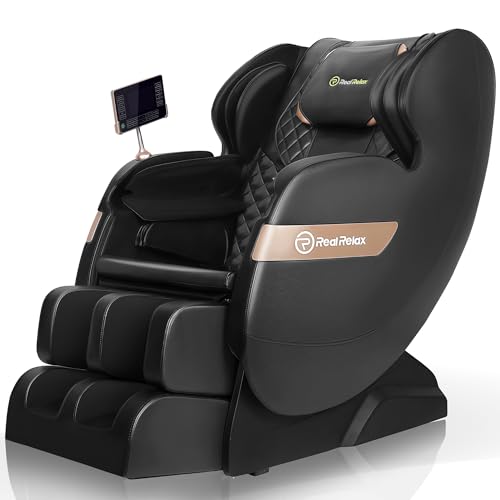
Chronic pain affects over 50 million Americans, creating daily challenges that impact work, relationships, and quality of life. Unlike acute pain that signals injury and resolves with healing, chronic pain persists—sometimes for years or decades—requiring ongoing management strategies. Massage chairs offer a valuable tool in chronic pain management, providing daily treatment that can reduce pain levels, improve function, and enhance quality of life. Used appropriately alongside other treatments, massage chairs become an integral part of living well with chronic pain.


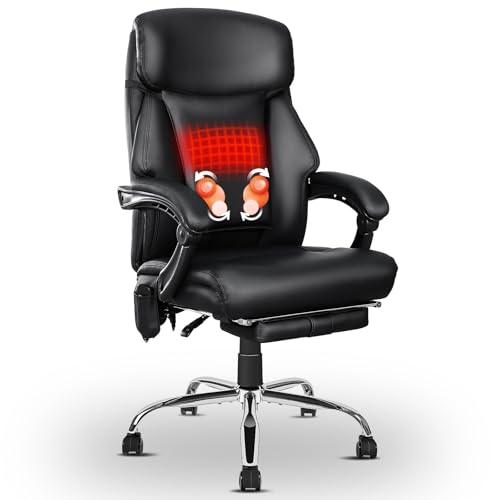
This guide covers how massage chairs address chronic pain, which features matter most, and how to integrate massage into comprehensive pain management.

Table of Contents
Understanding Chronic Pain
What Makes Pain Chronic
For more information, check out our guide on Best Massage Chairs for Lower Back Pain.
Chronic pain is typically defined as pain lasting more than three months, but the duration alone doesn't capture what makes chronic pain distinct. Chronic pain involves changes in how the nervous system processes pain signals—the pain system itself becomes dysregulated, often maintaining pain signals even after original injuries have healed.
This nervous system involvement means chronic pain isn't simply prolonged acute pain. It requires different management approaches that address nervous system regulation alongside any remaining physical causes.
Common Chronic Pain Conditions
Back pain is the most common chronic pain condition, affecting millions with persistent discomfort ranging from mild aching to debilitating pain. Neck pain follows closely, often related to posture and modern work habits. Fibromyalgia creates widespread pain throughout the body. Arthritis causes joint pain that progressively affects daily function.
Neuropathic conditions create nerve-based pain that feels different from muscle or joint pain—burning, tingling, or electric sensations. Headaches and migraines qualify as chronic pain when frequent enough to substantially impact life. These varied conditions require tailored approaches, though massage can benefit most of them.
The Complexity of Chronic Pain
Chronic pain isn't just physical—it affects sleep, mood, energy, relationships, and work capacity. Depression and anxiety commonly accompany chronic pain, sometimes worsening the pain itself. Sleep disruption from pain creates fatigue that lowers pain tolerance. This interconnection means effective pain management must address multiple factors.
Massage chairs can positively influence several of these factors simultaneously: reducing pain directly, improving sleep, decreasing stress hormones, and providing reliable comfort when other aspects of life feel unpredictable.
How Massage Addresses Chronic Pain
Pain Gate Mechanism
The gate control theory of pain explains how massage can reduce pain perception. Non-painful sensory input (like massage pressure) can "close the gate" on pain signals traveling to the brain. The touch and pressure of massage activates sensory fibers that compete with pain signals, reducing how much pain you perceive.
This mechanism provides immediate relief during massage and often for hours afterward. Regular massage may also help regulate the nervous system's overall pain processing over time.
Muscle Tension Release
Chronic pain often involves muscle tension—sometimes as a primary cause, other times as a secondary effect of guarding against pain. This tension restricts blood flow, accumulates metabolic waste, and can compress nerves. Massage mechanically releases this tension, addressing a significant component of many chronic pain conditions.
Circulation Enhancement
Improved blood flow delivers oxygen and nutrients to tissues while removing inflammatory compounds and metabolic waste. For chronic conditions involving tissue congestion or inflammation, enhanced circulation supports healing and reduces pain-promoting factors in the tissues.
Endorphin Release
Massage stimulates the release of endorphins—the body's natural painkillers. These compounds bind to the same receptors as opioid medications, providing genuine pain relief through natural mechanisms. Regular massage maintains elevated endorphin levels that help manage baseline pain.
Nervous System Regulation
Chronic pain involves an overactive stress response. Massage activates the parasympathetic nervous system—the "rest and digest" system—counteracting chronic stress activation. This nervous system shift helps reset the dysregulated pain processing that characterizes chronic conditions.
Sleep Improvement
Pain disrupts sleep; poor sleep worsens pain. Breaking this cycle is essential for chronic pain management. Massage promotes relaxation and may improve sleep quality, supporting the restorative sleep that helps the body manage pain.
Key Features for Chronic Pain
Comprehensive Adjustability
Chronic pain varies—day to day, hour to hour, and in response to triggers. A massage chair needs extensive adjustability to match your current pain state. What feels therapeutic one day may be too intense another. Multiple intensity levels, speed adjustments, and roller depth control let you find the right treatment for how you feel right now.
Zone-Specific Treatment
The ability to focus massage on specific areas addresses the reality that chronic pain often concentrates in particular regions. If your chronic pain centers on your lower back, you need thorough lumbar treatment. If it's neck and shoulders, those areas need attention. Zone control lets you direct treatment where you need it most.
Full Body Coverage
Even with localized pain, full-body massage provides benefits. Pain in one area creates compensatory tension elsewhere. Treating only the painful area while ignoring the surrounding and compensating regions misses part of the picture. Comprehensive coverage—neck through calves—addresses your whole pain experience.
L-Track for Lower Body
For more information, check out our guide on Best Massage Chairs for Sciatica.
Lower back pain, sciatica, and hip issues benefit from L-track systems that extend roller coverage under the seat. The ability to massage glutes and upper hamstrings addresses pain patterns that S-track chairs can't reach.
Heat Therapy
Heat increases blood flow, relaxes muscles, and provides comfort that many chronic pain sufferers find essential. Multiple heat zones—lower back, upper back, legs—allow you to apply warmth where your pain concentrates. Heat enhances the effectiveness of mechanical massage.
Air Compression
Compression massage benefits circulation and provides a different sensation than roller massage. For chronic conditions involving swelling or poor circulation, leg and foot compression supports overall tissue health. The combination of roller and compression massage creates more comprehensive treatment.
3D/4D Depth Control
The ability to vary how deeply rollers press into tissue matters significantly for chronic pain. Some days you need gentle treatment; other days deeper work feels right. 3D and 4D technology provides this depth variation that traditional rollers can't match.
Using Your Chair for Pain Management
Establishing Baseline
Start conservatively. Chronic pain conditions often involve sensitivity that makes aggressive massage counterproductive. Begin with lower intensity settings and shorter sessions—15 minutes at moderate intensity. Observe your response over the following hours and days.
Finding Effective Settings
Experiment to discover what works for your specific pain. Try different programs, intensity levels, and focus areas. Keep notes on what helps and what doesn't. Over time, you'll develop a personalized approach that addresses your particular condition.
Consistency Over Intensity
Daily moderate treatment typically helps chronic pain more than occasional intense sessions. The nervous system responds to consistent input, and regular massage helps maintain the pain-reducing effects rather than waiting for pain to escalate before treating it.
Timing Strategies
Consider when your pain is typically worst. Morning stiffness responds well to morning massage. End-of-day pain accumulation suggests evening sessions. Pain that disrupts sleep might indicate treatment before bed. Some people benefit from multiple shorter sessions throughout the day.
Flare Management
Chronic pain conditions often involve flares—periods of intensified pain. During flares, you may need gentler treatment or may need to avoid massage temporarily if you're acutely inflamed. Learn how your condition responds during flares and adjust accordingly.
Integration with Other Treatments
Medication Complement
Massage doesn't replace pain medications but can complement them effectively. Some chronic pain patients find that regular massage allows them to reduce medication use—discuss any changes with your healthcare provider. The combination of pharmaceutical and physical treatment often works better than either alone.
Physical Therapy Support
If you're working with a physical therapist, massage can support their prescribed exercises and stretches. Massage maintains muscle flexibility and tissue health between PT sessions. Your therapist can advise on how massage fits with your specific treatment plan.
Movement and Exercise
Movement is typically important for chronic pain management despite being difficult. Massage before or after gentle exercise can make movement more comfortable and reduce post-activity soreness. Use massage to support activity rather than replace it.
Mind-Body Practices
For more information, check out our guide on Best Massage Chairs for Neck and Shoulder Pain.
Meditation, breathing exercises, and relaxation techniques help manage chronic pain through nervous system regulation. Massage creates an excellent environment for these practices—some people use meditation recordings during massage sessions for combined benefit.
Realistic Expectations
What Massage Can Do
Massage chairs can reduce pain levels, improve function, enhance sleep, and improve quality of life for many chronic pain sufferers. These are significant benefits that make daily life more manageable. For some conditions, consistent massage produces substantial improvement.
What Massage Can't Do
Massage doesn't cure chronic pain conditions. It manages symptoms and supports the body but doesn't reverse structural damage or nervous system changes that cause chronic pain. Expect management and improvement, not cure.
Individual Variation
Response to massage varies significantly between individuals and between conditions. What helps one person's chronic pain may not help another's. Give massage a fair trial before judging its effectiveness, but accept that it may not be the answer for every situation.
When to Avoid or Modify Massage
Acute Flares
During severe flares with acute inflammation, massage may worsen rather than help. Significantly increased pain, swelling, or heat suggests backing off from massage until the acute phase passes.
Certain Conditions
Some chronic pain conditions have specific massage contraindications. Certain types of arthritis, skin conditions, circulatory problems, and other issues may require modified approaches or avoidance. Consult healthcare providers about any conditions that might affect massage safety.
Warning Signs
If massage consistently worsens your pain, causes new symptoms, or produces concerning reactions, stop and consult your healthcare provider. Pain that worsens with massage despite conservative approaches may indicate conditions that need different treatment.
Budget Considerations
Quality massage chairs for chronic pain management typically cost $2,500-5,000. Consider this against the cost of ongoing professional massage therapy, which might run $100-200 per session. For chronic conditions requiring daily treatment, home access becomes financially essential for many people.
Insurance may cover massage chairs for certain chronic pain conditions with appropriate documentation. Check with your provider about coverage possibilities, particularly if your doctor will prescribe massage as part of your treatment plan.
Building a Pain Management Routine
Daily Practice
Make massage a daily practice rather than an occasional response to severe pain. Consistency helps prevent pain from escalating and maintains the nervous system benefits. Even 15-20 minutes daily can make significant difference over time.
Tracking Results
Keep a simple log of pain levels, massage sessions, and any observations. Over weeks and months, patterns emerge showing what helps most and how your condition responds to treatment. This information helps you optimize your approach.
Adjusting Over Time
Your chronic pain may change over time, requiring adjustments to your massage approach. What works initially may need modification as your condition evolves. Stay flexible and willing to experiment to maintain optimal management.
Conclusion
Massage chairs provide valuable support for chronic pain management through pain gate modulation, muscle tension release, improved circulation, and nervous system regulation. Success requires selecting a chair with comprehensive adjustability, using it consistently, and integrating massage with other treatment modalities. Chronic pain remains challenging, but the right massage chair used appropriately can meaningfully improve daily function and quality of life. Combined with medical care, movement, and other management strategies, massage becomes one of the tools that makes living well with chronic pain possible.
For more information, check out our guide on Best Massage Chair for Chronic Back Pain.