Delayed onset muscle soreness hits 24 to 72 hours after intense exercise. Your muscles ache. Movement feels restricted. Training consistency suffers. Massage therapy accelerates recovery by driving blood flow to damaged tissue, clearing metabolic waste, and reducing inflammation. A massage chair built for athletic recovery delivers daily treatment that helps you train harder and bounce back faster.


This guide explains the science of muscle recovery, identifies the massage chair features that matter most for DOMS relief, and recommends specific products at every price point.

Table of Contents
- The Science of DOMS and Muscle Recovery
- How Massage Accelerates Recovery from DOMS
- Essential Massage Chair Features for Athletic Recovery
- Best Massage Chairs for Muscle Recovery: Detailed Reviews
- Optimal Massage Timing for Athletic Recovery
- Building a Complete Recovery Protocol
- Product Comparison Table
- Investment Considerations for Athletes
- Common Mistakes to Avoid
- Frequently Asked Questions
- Final Recommendations
The Science of DOMS and Muscle Recovery
What Actually Causes Delayed Onset Muscle Soreness
DOMS results from exercise-induced muscle damage at the cellular level. Eccentric contractions create the most damage. These are the lowering phases of movements where muscles lengthen under load. Think the descent of a squat, the lowering of a bicep curl, or running downhill.
Microscopic tears form in muscle fibers during intense exercise. The body responds with inflammation as it begins the repair process. This inflammation causes the familiar deep ache, stiffness, and tenderness that peaks 24 to 48 hours post-workout.
The severity depends on training novelty and intensity. New exercises cause more damage than familiar movements. Higher intensity creates more microtrauma than moderate effort. Your body adapts over time through the repeated bout effect.
The Four Phases of Muscle Recovery
Phase one is the inflammatory response. It begins immediately after exercise and lasts 24 to 48 hours. White blood cells flood the damaged area. Swelling occurs. Pain signals peak during this window.
Phase two involves tissue breakdown and clearing. The body removes damaged proteins and cellular debris. This process requires adequate blood flow to transport waste products away from the muscle tissue.
Phase three is regeneration. Satellite cells activate and fuse with damaged muscle fibers. New proteins synthesize. The muscle rebuilds stronger than before if nutrition and rest support the process.
Phase four completes remodeling. Collagen aligns along stress lines. The muscle adapts to handle similar loads in future training sessions. This phase can take weeks for complete structural adaptation.
Why Blood Flow Determines Recovery Speed
Blood delivers oxygen, amino acids, and glucose that muscles need for repair. It removes lactic acid, hydrogen ions, and inflammatory byproducts. Faster circulation means faster nutrient delivery and faster waste removal.
Massage creates a mechanical pumping action that pushes blood through compressed vessels. When pressure releases, fresh blood rushes in. This active circulation exceeds what passive rest provides.
For more information, check out our guide on Best Massage Chairs for Lower Back Pain.
How Massage Accelerates Recovery from DOMS
Mechanical Effects on Muscle Tissue
Massage physically manipulates soft tissue in ways that support healing. Compression forces blood and lymphatic fluid through vessels. Kneading separates muscle fibers that have adhered together. Stretching movements restore range of motion.
Deep tissue techniques reach the muscle layers where damage actually occurs. Surface massage feels pleasant but may not affect the deeper tissues. Athletic recovery requires penetrating pressure that matches muscle density.
Inflammation Modulation
Research shows massage reduces inflammatory markers in treated muscle tissue. A 2012 study in Science Translational Medicine found massage decreased production of cytokines TNF-alpha and IL-6 in muscle cells. These compounds drive the inflammatory cascade.
Massage also increased mitochondrial biogenesis. Mitochondria produce cellular energy. More mitochondria mean faster energy production for repair processes. This finding suggests massage does more than mask symptoms.
Neural Pain Modulation
Massage activates mechanoreceptors in skin and muscle that compete with pain signals for nervous system attention. This gate control mechanism reduces perceived pain intensity even when tissue damage remains.
Massage also triggers parasympathetic nervous system activation. Stress hormones decrease. Muscle tension releases. This relaxation response creates conditions favorable for tissue repair.
Fascial Release and Tissue Mobility
Fascia is the connective tissue that surrounds muscles. It can become restricted and adhesed after intense training. These restrictions limit blood flow and movement quality.
Sustained pressure from massage tools releases fascial adhesions. Tissue glide improves. Range of motion increases. Movement feels less restricted even before inflammation fully resolves.
Essential Massage Chair Features for Athletic Recovery
4D Roller Technology for Variable Depth
4D massage chairs add speed control to the standard 3D depth adjustment. The rollers can slow down to apply sustained pressure on trigger points or speed up for broader coverage. This variability matters for athletic recovery.
Sustained pressure releases deep tissue adhesions. Faster movements increase circulation over larger areas. The ability to switch between techniques in a single session matches what a skilled massage therapist provides.
The Alfine A688 at $4,099 combines 4D and 3D dual mechanisms. This setup provides maximum versatility for different recovery needs. Premium price matches premium capability.
SL-Track Coverage for Full Posterior Chain
S-track rollers follow the spine curvature from neck to lower back. L-track extends coverage under the seat to reach the glutes and upper hamstrings. Athletes need L-track coverage because the posterior chain drives most athletic movements.
Glute massage addresses the largest muscle group in the body. Hip flexor release improves pelvic positioning. Hamstring attention prevents the tightness that leads to lower back compensation. Full SL-track coverage means no major muscle group gets neglected.
The VEVOR Full Body Massage Chair at $999.99 offers SL-track coverage at a mid-range price. It includes 3D Shiatsu rollers, body scan, and heating.
Adjustable Intensity for Different Recovery Phases
Fresh soreness requires gentler treatment than chronic tension. Inflamed tissue responds poorly to aggressive deep tissue work. The ability to dial intensity up or down matters for appropriate treatment across recovery phases.
Multiple intensity levels let you match treatment to tissue status. Light massage immediately post-workout when muscles are fatigued. Medium intensity during peak soreness at 24 to 48 hours. Deep work on rest days when tissue can handle aggressive treatment.
Heat Therapy Integration
Heat increases blood flow through vasodilation. Warm muscles respond better to mechanical manipulation. Combined heat and massage delivers more therapeutic benefit than either modality alone.
Look for heat in multiple locations. Lumbar heat addresses the lower back that absorbs so much training stress. Calf heat helps the lower leg muscles that take a beating from running and jumping. Some chairs add seat heating for the glutes.
For more information, check out our guide on Best Massage Chairs with Heating.
Air Compression for Limb Recovery
Air compression systems use inflatable chambers to squeeze and release the arms, legs, and feet. This pneumatic action creates a pumping effect that drives venous blood return and lymphatic drainage.
Leg compression helps clear metabolic waste from the lower extremities after running, cycling, or leg training. Arm compression benefits athletes who do significant upper body work. The rhythmic squeeze-release pattern mimics professional pneumatic compression devices.
For more information, check out our guide on Best Massage Chairs with Air Compression.
Zero Gravity Positioning
Zero gravity reclines the body so legs elevate above the heart. This position reduces spinal compression and improves circulation to the lower extremities. NASA developed this position for astronauts because it distributes body weight evenly.
For recovery purposes, zero gravity takes pressure off the spine while massage rollers work. Blood flows more easily from legs back to the heart. Lymphatic drainage improves. The position enhances the effectiveness of both massage and compression.
Body Scanning Technology
Body scanning uses sensors to map your spine curvature and shoulder position. The chair adjusts roller placement to match your specific anatomy. This customization ensures pressure hits the right spots rather than missing key areas.
Athletes come in different sizes and shapes. A chair that works for a 5'6" person may miss spots on someone 6'2". Body scanning solves this problem by adapting to each user. Multiple family members can use the same chair effectively.
Best Massage Chairs for Muscle Recovery: Detailed Reviews
Premium Tier: Maximum Recovery Capability
Alfine A688 Heaven Duet - $4,099
The Alfine A688 stands out with its dual-mechanism design combining 4D and 3D massage systems. This setup delivers the deep tissue capability serious athletes need. Twenty automatic programs cover various recovery scenarios from post-workout relaxation to intensive deep tissue work.
Yoga stretch functions actively extend muscles during the massage session. This combination of massage and stretching accelerates flexibility recovery. AI voice control lets you adjust settings without interrupting your session.
Zero gravity positioning distributes body weight evenly while the extended SL-track works from neck through glutes. Heat therapy in the lumbar and leg sections increases blood flow before mechanical manipulation begins. Rating: 4.0 stars from 5,882 reviews.
Osaki Vibe 4D - $3,999
Osaki built its reputation on massage chair engineering. The Vibe 4D delivers deep calf-kneading that benefits runners and athletes who train legs heavily. The 4D mechanism provides variable speed and depth control for targeted trigger point work.
Three-stage zero gravity positioning lets you find the optimal recline angle for your recovery session. The 32-cell air massage system covers the entire body with compression therapy. Space-saving technology allows installation close to walls despite the recline range.
Automatic body scan ensures rollers hit your specific anatomy correctly. Full-body air massage complements the mechanical roller work. Rating: 4.0 stars from 2 reviews.
Titan AmaMedic 3D Premium - $1,999
The Titan AmaMedic delivers premium features at a more accessible price point. 3D roller technology provides adjustable depth for deep tissue work. Computerized body scanning maps your spine before each session for precise roller placement.
Lumbar heat therapy warms the lower back muscles before massage begins. This heat preparation improves tissue response to mechanical pressure. Full-body coverage addresses all major muscle groups in a single session.
Zero gravity positioning takes pressure off the spine during treatment. The chair handles users seeking serious recovery capability without the four-figure premium pricing. Rating: 4.1 stars from 96 reviews.
Mid-Range Tier: Solid Recovery Performance
KTENTITO G6 - $1,349.99
KTENTITO positions the G6 as a feature-rich option below the premium price tier. SL-track coverage extends massage from neck through glutes. Zero gravity recline distributes body weight during sessions.
Waist and calf heating prepares muscles for massage and increases circulation. AI voice control allows hands-free operation. The LED backlight remote adds a modern touch to the control interface.
Phone joystick and holder let you control the chair or entertain yourself during longer sessions. Shiatsu massage techniques replicate traditional Japanese pressure point therapy. Rating: 4.0 stars from 96 reviews.
VEVOR Full Body Massage Chair - $999.99
VEVOR delivers SL-track coverage and 3D Shiatsu massage at a sub-thousand dollar price. Body scan technology customizes roller positioning. Zero gravity recline enhances the massage experience and circulation.
Heating function warms muscles before and during treatment. Bluetooth speaker integration allows music during sessions. Airbag compression covers arms, legs, and shoulders for full-body treatment.
The chair fits users seeking legitimate recovery capability without premium pricing. Build quality matches the price point. Rating: 4.0 stars from 13 reviews.
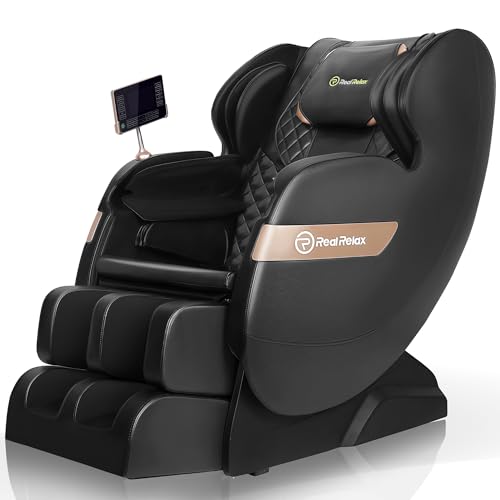
Real Relax 2025 - $619.99
Real Relax has established itself as a value leader in massage chairs. The 2025 model offers zero gravity positioning and Shiatsu massage at an entry-level full-body price. Foot massage rollers address the feet that take constant impact.
Bluetooth connectivity allows audio streaming during sessions. The large control screen makes program selection intuitive. Build quality has improved over previous Real Relax generations.
For athletes on a budget who want full-body massage capability, this chair delivers core recovery features without unnecessary extras. Rating: 4.3 stars from 2,053 reviews.
Portable Options: Recovery On-the-Go
COMFIER Shiatsu Back Massager - $115.99
This seat cushion brings deep tissue kneading to any chair. Shiatsu nodes replicate thumb pressure along the back. Heat integration warms muscles during treatment. The portable design works at home, office, or travel destinations.
Full back coverage addresses the entire posterior chain from neck to lower back. The cushion straps onto existing chairs for stability. Athletes can use this daily without dedicating space to a full massage chair.
Deep tissue capability rivals entry-level full chairs for upper body work. The limitation is coverage area. No leg or foot massage capability exists. Rating: 4.5 stars from 1,821 reviews.
Snailax Back Massager with Heat - $129.99
Snailax added app control to their popular back massager design. Deep tissue kneading nodes work the full back. Heat function increases circulation and prepares tissue for massage pressure.
The app allows customization of intensity, heat level, and massage patterns. This control matches what premium full-body chairs offer for their back massage sections. Build quality supports daily use.
Athletes who travel frequently find this unit practical. It fits in luggage and works in hotel room chairs. Maintains recovery routine regardless of location. Rating: 4.4 stars from 17,171 reviews.
COMFIER Cordless Back Massage Pad - $159.99
Cordless operation removes the limitation of power outlet proximity. The pad offers 2D, 3D, and mixed Shiatsu modes for variable depth and technique. Heat therapy integrates with the massage functions.
Indoor and outdoor use becomes possible without power cords. Athletes can use this on a patio, at a tailgate, or anywhere recovery needs to happen. Battery life supports full massage sessions.
The multi-function approach lets users customize exactly the treatment type needed for each session. Rating: 4.2 stars from 1,098 reviews.
Optimal Massage Timing for Athletic Recovery
Immediately Post-Workout: 0 to 2 Hours
Massage within two hours of training addresses the initial inflammatory response. Blood flow remains elevated from exercise. Massage extends this elevated circulation and begins waste product clearance.
Keep intensity moderate during this window. Muscles are fatigued and potentially have fresh microtrauma. Aggressive deep tissue work immediately after training can add stress rather than relieve it.
Focus on compression and light kneading. Air compression for limbs helps blood return. Gentle roller work maintains circulation without creating additional tissue stress. Duration of 10 to 15 minutes provides benefit without overdoing it.
Peak Soreness Window: 24 to 72 Hours
DOMS intensity peaks during this window. Massage provides symptomatic relief through the neural pain modulation mechanisms. Blood flow enhancement speeds the recovery process that is already underway.
Moderate intensity works best during peak soreness. Inflamed tissue does not respond well to aggressive pressure. Gentle to medium massage reduces perceived pain and supports continued recovery.
Multiple shorter sessions may work better than one long session. Twenty minutes in the morning and evening provides consistent blood flow enhancement throughout the day. Listen to your body and adjust accordingly.
Rest Days: Full Recovery Sessions
Rest days offer the opportunity for longer, more intensive treatment. Muscles have had time to begin healing. Tissue can handle deeper work without adding to the recovery burden.
This is when maximum intensity programs make sense. Deep tissue work addresses chronic tension patterns. Trigger point release resolves specific problem areas. Full 20 to 30 minute sessions provide comprehensive treatment.
Rest day massage maintains muscle quality between training sessions. It addresses the cumulative effects of repeated training stress. Athletes who massage on rest days report less chronic tightness over time.
Pre-Workout Considerations
Some athletes use light massage before training to warm up tissues. The increased blood flow from massage may improve initial performance. Keep sessions brief and intensity low.
Avoid deep tissue work before training. Relaxed muscles may not perform optimally. The temporary reduction in muscle tone from deep massage could affect explosive power. Save intensive massage for post-workout.
If using pre-workout massage, limit it to five minutes of light to moderate intensity. Focus on areas that typically feel tight or restricted. The goal is preparation, not relaxation.
Building a Complete Recovery Protocol
Combining Massage with Other Recovery Methods
Massage works best as part of a comprehensive recovery approach. Sleep provides the hormonal environment for tissue repair. Nutrition supplies the building blocks muscles need. Hydration maintains the fluid balance that supports all physiological processes.
Cold exposure reduces acute inflammation when used immediately post-workout. Heat increases blood flow and tissue extensibility. Contrast therapy alternates between the two. Massage complements all these methods.
Active recovery through light movement keeps blood flowing without adding training stress. Foam rolling provides self-myofascial release between massage sessions. Stretching maintains range of motion. Layer these tools based on your needs and schedule.
Matching Massage to Training Split
Focus massage attention on the muscles you trained. After leg day, prioritize glutes, hamstrings, quadriceps, and calves. After upper body work, emphasize back, shoulders, and arms. This targeted approach addresses where recovery is most needed.
Full-body training days warrant full-body massage programs. Split routines benefit from targeted zone focus. Your massage chair should offer both options for program selection.
Track which muscle groups feel most sore after training. Adjust massage focus based on your individual response patterns. Some athletes recover faster in certain areas than others.
Progressive Recovery Through Training Phases
Training periodization should include recovery periodization. High volume phases create more recovery demand. Deload weeks allow for enhanced recovery work with reduced training stress.
During intense training blocks, daily massage maintains recovery capacity. During deload phases, extended sessions address accumulated tension. Competition preparation requires careful timing to avoid excessive relaxation before performance.
For more information, check out our guide on Best Massage Chair for Muscle Recovery.
Product Comparison Table
| Product | Price | Type | Key Recovery Features | Rating |
|---|---|---|---|---|
| Alfine A688 | $4,099 | Full Body 4D | Dual 4D/3D mechanism, yoga stretch, extended SL-track | 4.0 |
| Osaki Vibe 4D | $3,999 | Full Body 4D | Deep calf-kneading, 32-cell air massage, 3-stage zero gravity | 4.0 |
| Titan AmaMedic 3D | $1,999 | Full Body 3D | Body scanning, lumbar heat, zero gravity | 4.1 |
| KTENTITO G6 | $1,350 | Full Body SL | SL-track, waist/calf heating, AI voice control | 4.0 |
| VEVOR Full Body | $1,000 | Full Body 3D | SL-track, body scan, heating, airbags | 4.0 |
| Real Relax 2025 | $620 | Full Body | Zero gravity, foot rollers, Bluetooth | 4.3 |
| COMFIER Shiatsu | $116 | Seat Cushion | Deep tissue kneading, heat, portable | 4.5 |
| Snailax Back Massager | $130 | Seat Cushion | App control, deep tissue, heat | 4.4 |
| COMFIER Cordless | $160 | Seat Cushion | Cordless, 2D/3D modes, heat | 4.2 |
Investment Considerations for Athletes
Cost Comparison with Professional Massage
A sports massage session costs $80 to $150 depending on location and therapist expertise. Weekly sessions run $4,000 to $7,800 annually. A premium massage chair pays for itself in one year of daily use.
The chair provides unlimited sessions once purchased. No scheduling required. No travel time. Immediate access when soreness hits. The economics favor home equipment for consistent users.
Training Consistency Value
Faster recovery means more productive training sessions. Athletes who recover well can train more frequently and at higher intensity. This compounding effect accelerates progress over time.
Missed training days due to excessive soreness cost fitness gains. Reduced training quality from lingering fatigue limits adaptation. The massage chair investment returns value through improved training consistency.
Injury Prevention ROI
Tight, fatigued muscles sustain injuries more easily. Regular massage maintains tissue quality and catches developing problems early. A single prevented injury can save thousands in medical costs and lost training time.
Professional athletes invest heavily in recovery because the cost of injury is so high. Recreational athletes benefit from the same principle at a scaled level. Prevention costs less than treatment.
Common Mistakes to Avoid
Buying Insufficient Intensity
Athletic muscles require deep pressure to achieve therapeutic effect. Chairs designed for light relaxation may feel pleasant but fail to reach damaged tissue. Test chairs at maximum intensity before purchasing.
If the deepest setting feels gentle, the chair will not serve recovery needs. Athletic users need equipment that can work through developed muscle tissue. Do not compromise on depth capability.
Skipping L-Track Coverage
S-track only chairs neglect the glutes. The gluteal muscles are the largest in the body and drive most athletic movements. Missing this area leaves significant recovery gaps.
L-track coverage extends under the seat to address glutes and upper hamstrings. Athletes should prioritize this feature even if it means spending more. The posterior chain deserves complete attention.
Ignoring Heat Integration
Cold muscles respond poorly to deep massage. Heat prepares tissue for mechanical manipulation. Chairs without heating functions deliver less effective treatment.
Look for heat in multiple locations. Lumbar, calves, and seat heating provide the most complete warming. Heat should activate before and during massage for optimal effect.
Inconsistent Usage
A massage chair only works if you use it regularly. Sporadic sessions provide sporadic benefit. Daily usage, even brief sessions, delivers cumulative recovery support.
Place the chair where you will actually use it. Living rooms get more use than spare bedrooms. Make the chair part of your daily routine rather than an occasional indulgence.
Frequently Asked Questions
How soon after a workout should I use a massage chair for DOMS?
Use the massage chair within two hours of training for immediate recovery benefits. Keep intensity moderate since muscles are fatigued. A 10 to 15 minute session helps begin the recovery process.
Can massage chairs completely prevent delayed onset muscle soreness?
No intervention completely prevents DOMS from challenging training. Massage reduces severity and duration of soreness. Expect some discomfort after intense or novel exercises regardless of treatment.
How long should each massage session last for optimal recovery?
Sessions of 15 to 30 minutes provide therapeutic benefit without diminishing returns. Multiple shorter sessions throughout the day may work better than one extended session during peak soreness.
Is deep tissue or light massage better for muscle recovery?
It depends on timing. Light to moderate massage works best during acute soreness at 24 to 48 hours. Deep tissue massage is appropriate on rest days when inflammation has subsided.
Should I use heat during massage for sore muscles?
Yes. Heat increases blood flow and prepares tissue for massage. Combined heat and massage delivers better results than either alone. Most recovery-focused chairs include heat functions.
How does massage chair intensity compare to professional sports massage?
Premium 4D massage chairs approach professional massage intensity. Mid-range chairs provide moderate depth. The main difference is that human therapists adapt in real-time to feedback.
Can I use a massage chair every day?
Daily use is appropriate and beneficial for athletes. The body adapts to regular massage. Consistency provides cumulative benefits that occasional use cannot match.
What features matter most for leg muscle recovery?
L-track coverage addresses glutes. Leg airbags provide compression. Foot rollers work the plantar surface. Calf heating increases circulation. Full-body chairs with these features support leg recovery.
Are massage chair pads effective for athletic recovery?
Seat cushion massagers effectively treat the back. They lack leg and foot massage capability. Athletes who only need upper body work can save money with quality pads.
How does zero gravity positioning help with recovery?
Zero gravity elevates legs above heart level, improving circulation. Spinal decompression reduces pressure on discs. The position enhances blood flow and lymphatic drainage during massage.
What intensity level should I use during peak DOMS soreness?
Use light to moderate intensity during peak soreness at 24 to 48 hours post-workout. Inflamed tissue responds poorly to aggressive pressure. Save high intensity for rest days.
Can massage chairs help with chronic muscle tightness from training?
Yes. Regular massage addresses cumulative tension that builds from repeated training. Daily treatment maintains tissue quality and prevents chronic problems from developing.
How do 3D and 4D massage mechanisms differ for recovery?
3D adds depth adjustment to standard roller movement. 4D adds speed control for variable pressure duration. 4D provides more versatility for different recovery needs.
Should I stretch before or after using a massage chair?
Stretching after massage works best. Warm, relaxed muscles stretch more effectively. The massage prepares tissue for stretching by increasing blood flow and reducing tension.
How does air compression benefit athletic recovery?
Air compression creates rhythmic squeezing that drives blood and lymph flow. This action helps clear metabolic waste from extremities. Leg compression benefits runners and leg-heavy training.
Can massage chairs help prevent injuries?
Regular massage maintains tissue quality and identifies developing problems. Supple, well-recovered muscles sustain fewer injuries than tight, fatigued ones. Prevention through maintenance is valuable.
What is the ideal massage duration for rest days?
Rest days allow for longer sessions of 20 to 30 minutes at higher intensity. The body can handle deeper work without fresh training stress. Use this time for comprehensive treatment.
How do body scanning features improve recovery massage?
Body scanning maps your spine and shoulder position. The chair adjusts roller placement to match your anatomy. This ensures pressure hits correct spots rather than missing key areas.
Are expensive massage chairs worth it for serious athletes?
Premium chairs provide deeper tissue penetration and more features. Serious athletes benefit from maximum capability. The investment compares favorably to ongoing professional massage costs.
Can I use a massage chair if I have an acute muscle strain?
Avoid direct massage on acute strains during the inflammatory phase. Gentle work on surrounding areas may help. Consult a healthcare provider for injury-specific guidance.
How does massage chair recovery compare to foam rolling?
Massage chairs provide passive treatment requiring no effort. Foam rolling requires active work. Both have value. Chairs offer more relaxation while rollers allow more targeted pressure control.
What makes a massage chair suitable for athletic users?
Athletic users need deep tissue capability, L-track coverage, adjustable intensity, and heat. The chair must penetrate developed muscle tissue to provide therapeutic effect.
How quickly can I expect to feel recovery benefits from massage?
Immediate benefits include reduced perceived pain and increased relaxation. Full recovery acceleration develops over consistent use. Most users notice improvement within the first few sessions.
Should competitive athletes invest in premium massage chairs?
Competitive athletes recover more training stress and benefit most from premium capability. The investment pays dividends through improved training consistency and performance.
Final Recommendations
For serious athletes prioritizing recovery, the Alfine A688 at $4,099 delivers maximum capability. The dual 4D/3D mechanism and yoga stretch functions provide everything needed for comprehensive recovery.
Athletes seeking solid recovery without premium pricing should consider the Titan AmaMedic 3D at $1,999. The 3D technology and body scanning provide legitimate therapeutic benefit.
Budget-conscious athletes get excellent value from the Real Relax 2025 at $619.99. Core recovery features at an accessible price point.
For portable recovery, the COMFIER Shiatsu Back Massager at $115.99 offers deep tissue capability in a travel-friendly format.
Choose based on your training intensity, recovery needs, and budget. Any option provides recovery benefits over no massage at all. Consistent use matters more than perfect equipment selection.