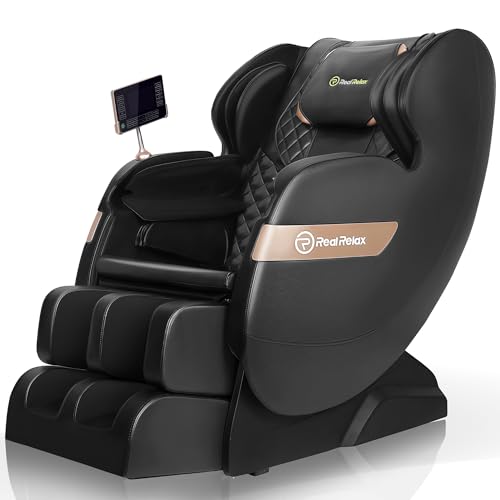
Upper back and shoulder pain affects millions of people, driven by the modern reality of desk work, phone use, and stress-induced tension. The area between your shoulder blades and across your shoulders can become a persistent source of discomfort that radiates into your neck and down your arms. A massage chair specifically chosen to target this region can provide significant relief, but not all chairs effectively reach these critical areas. Understanding what features matter for upper back and shoulder problems helps you invest in equipment that actually addresses your pain.


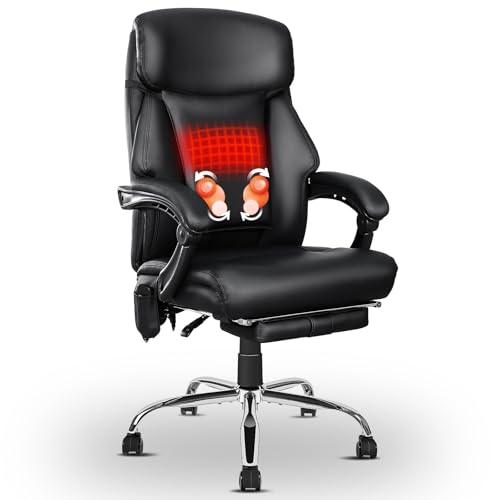
This guide covers how upper back and shoulder pain develops, which massage chair features effectively address it, and how to evaluate chairs for these specific needs.

Table of Contents
Understanding Upper Back and Shoulder Pain
Common Causes
For more information, check out our guide on Best Massage Chairs for Neck and Shoulder Pain.
Poor posture is the leading cause of upper back and shoulder pain. The forward head posture common in desk work and phone use forces the upper back muscles to work constantly against gravity. The head weighs roughly 10-12 pounds, but every inch it moves forward effectively adds 10 pounds of strain. Most desk workers hold their heads 2-3 inches forward, meaning their neck and upper back muscles support the equivalent of a 30-40 pound head.
Rounded shoulders compound the problem. When shoulders roll forward—from typing, driving, or simply slouching—the muscles between the shoulder blades stretch and weaken while the chest muscles shorten. This imbalance creates chronic tension in the upper back as overstretched muscles strain to counteract the forward pull.
Stress creates physical tension that concentrates in the upper back and shoulders. The instinctive hunching response to stress causes chronic contraction of the trapezius and other upper back muscles. Many people carry years of accumulated stress tension in their shoulders.
Repetitive motions from work or hobbies can create overuse patterns. Assembly line work, cooking, gardening, and many other activities stress the upper back and shoulders through repeated movements or sustained positions.
Anatomy of the Problem
The muscles most commonly involved in upper back and shoulder pain include the trapezius, which spans from your neck to your mid-back and out to your shoulders. Chronic trapezius tension is nearly universal among desk workers and creates the characteristic "tight shoulders" that most people experience.
The rhomboids, between your shoulder blades and spine, work to pull your shoulders back. When these muscles become overstretched from forward shoulder posture, they develop painful trigger points and chronic fatigue.
The levator scapulae runs from your neck to the top of your shoulder blade. This muscle is frequently involved in neck and shoulder pain, particularly the pain that radiates from your neck into your shoulder.
The rotator cuff muscles stabilize the shoulder joint and can develop tension and dysfunction from repetitive arm use or postural stress.
Why the Pain Persists
Upper back and shoulder pain often becomes chronic because the underlying causes—posture, stress, repetitive activities—continue daily. Brief improvements from stretching or massage get undone by returning to the same positions and habits. Effective management requires consistent intervention that addresses both the muscle tension and its sources.
Key Massage Chair Features for Upper Back and Shoulder Relief
Roller Coverage of Upper Back
The most critical feature is whether the massage rollers effectively reach your upper back and shoulders. Many massage chairs focus coverage on the lower and mid-back, with diminishing attention as the rollers move upward. Test specifically how well any chair works the area between your shoulder blades and the top of your shoulders.
The rollers should reach at least to the base of your neck, ideally extending into the cervical spine for complete upper back coverage. Chairs that stop roller coverage at the mid-back leave your actual problem areas untreated.
Adjustable Roller Width
The distance between massage rollers matters enormously for shoulder treatment. Rollers positioned too close together massage the spine but miss the actual shoulder muscles. Adjustable width allows you to move rollers outward to reach the trapezius and rhomboid muscles where upper back tension concentrates.
Look for chairs that offer multiple width settings. The widest settings should place the rollers on your actual shoulder muscles, not just near your spine. Narrow settings can then be used for spinal work when appropriate.
Shoulder Airbag Compression
Airbag compression in the shoulder area addresses muscles that rollers can't effectively reach—particularly the top of the shoulders and the anterior deltoids. Quality shoulder compression squeezes and releases the shoulder muscles rhythmically, providing relief that rollers alone can't achieve.
Adjustable compression intensity matters because shoulder sensitivity varies. Some people need firm compression to feel relief; others find maximum intensity uncomfortable. The ability to dial in your preferred level helps you find effective treatment.
Neck Massage Capability
Upper back and shoulder pain frequently involves the neck because these areas are anatomically and functionally connected. The levator scapulae, upper trapezius, and other muscles span both regions. Effective upper body relief requires addressing the neck as well as the upper back.
Look for chairs with dedicated neck massage—either rollers that extend into the cervical spine or separate neck massage units. Pillow-style neck massagers provide more targeted neck work than back rollers that simply extend upward.
Heat Therapy
For more information, check out our guide on Best Massage Chairs for Muscle Knots.
Heat increases blood flow and relaxes muscles, making it particularly valuable for chronic tension. Upper back heat helps loosen the chronically tight muscles in this region, enhancing the effectiveness of massage. Heat at the base of the neck addresses the cervical tension that often accompanies upper back problems.
For chronic upper back and shoulder issues, heat combined with massage provides better relief than massage alone. The warmth helps muscles release more easily under the mechanical action of the rollers.
Focused Zone Programs
Chairs that allow you to focus massage on specific zones rather than only running full-body programs provide more effective treatment for targeted problems. The ability to concentrate 15-20 minutes of massage solely on your upper back delivers more therapeutic benefit than brief attention during a full-body cycle.
Some chairs remember your zone preferences, making it easy to run your preferred upper back program without navigating menus each time.
Kneading and Rolling Combinations
Different massage techniques address different aspects of muscle tension. Kneading works across muscle fibers, helping release adhesions and trigger points. Rolling moves along muscles, promoting circulation and overall relaxation. Chairs that combine these techniques provide more comprehensive relief than those with only one motion type.
Tapping or percussion massage can help with deep tension but may be too intense for some users. Adjustable technique selection helps you find what works for your specific pain pattern.
Using Your Massage Chair for Upper Back and Shoulder Relief
Session Frequency
Chronic upper back and shoulder tension responds better to frequent, consistent sessions than to occasional intensive treatment. Daily use—even brief sessions—provides more cumulative benefit than longer weekly sessions. The tension returns when you're not addressing it; consistent intervention keeps it managed.
Many users find that 15-20 minutes daily provides better results than 30-40 minutes every few days. The regularity matters more than the duration for chronic tension patterns.
Optimal Timing
After-work sessions address the tension accumulated during the day before it consolidates overnight. If you wake with shoulder tension, morning sessions help you start the day looser. Pre-bedtime sessions help you relax for better sleep and prevent overnight tension development.
Timing can also address activity-specific tension. After gardening, cooking, or other shoulder-intensive activities, a targeted session addresses the fresh strain before it becomes established tightness.
Intensity Selection
Start with moderate intensity and increase based on how your muscles respond. Very intense massage on already-irritated muscles can increase inflammation rather than relieve it. Let your response guide intensity selection—the massage should feel productive, not punishing.
Your optimal intensity may vary day to day depending on how your shoulders feel. On particularly tight days, you might need deeper work; on better days, moderate intensity maintains your progress.
Combining with Heat
If your chair has heat features, use them. Turn on heat before starting the massage to allow time for warming. Keep heat on throughout the session. The combination of sustained warmth and mechanical massage provides better relief than either alone.
Complementary Approaches
For more information, check out our guide on Best Massage Chairs with Air Compression.
Massage chair sessions work best as part of a comprehensive approach. Address posture during your workday—monitor placement, desk ergonomics, and regular movement breaks all matter. Stretching helps maintain the flexibility gains from massage. Stress management reduces the tension your body creates.
Strengthening exercises for the upper back muscles help correct the imbalance that forward posture creates. Rows, face pulls, and other exercises that work the rhomboids and mid-traps complement the relaxation massage provides.
Evaluating Chairs for Upper Back and Shoulder Needs
In-Person Testing
Test chairs specifically on your upper back and shoulders—not just your lower back. Sit through a complete upper body program and evaluate whether the massage effectively reaches your problem areas. If the massage feels like it's missing where you need it most, the chair isn't right for you regardless of other features.
Test at various intensity levels. Find the intensity that feels therapeutic on your tension spots. If even maximum intensity feels superficial on your upper back, the chair lacks the power you need.
Width Adjustment Testing
Specifically test the roller width adjustment. Move rollers to their widest setting and evaluate whether they reach your shoulder muscles. If the widest setting still positions the rollers near your spine, the chair won't effectively treat your shoulders.
Shoulder Compression Evaluation
Test the shoulder airbag compression. Does it actually squeeze your shoulders, or does it mostly miss? Is the compression pressure adequate to feel therapeutic? Can you adjust intensity to your preference? Shoulder compression quality varies significantly between chairs.
Neck Coverage Assessment
Evaluate how well the neck massage works. Does it reach the base of your skull? Does it address the sides of your neck where the levator scapulae creates tension? Neck coverage that misses these areas leaves important treatment gaps.
Budget Considerations
Quality massage chairs with the upper body coverage needed for shoulder problems typically cost $2,000-5,000. Cheaper chairs often have inadequate upper back coverage, weak roller width adjustment, or missing shoulder compression—the exact features you need for shoulder relief.
Consider the investment against alternatives. Regular massage therapy for chronic shoulder tension costs significant money over time. A quality chair providing daily treatment often proves more cost-effective than monthly professional sessions.
What to Avoid
Don't buy chairs with poor upper back coverage. This is the essential feature for your needs—everything else is secondary. A chair that excels at lower back massage but misses your shoulders provides no benefit for your actual problem.
Avoid chairs without adjustable roller width. Fixed-width rollers may or may not align with your body properly. Adjustability ensures you can position the massage where you need it.
Be cautious of chairs without heat in the upper back. While not essential, heat significantly enhances relief for chronic tension. Missing heat capability is a meaningful limitation for shoulder problems.
Conclusion
Upper back and shoulder pain responds well to massage when the right areas are effectively targeted. Roller coverage that extends to the upper trapezius, adjustable width to reach shoulder muscles, shoulder airbag compression, neck massage capability, and heat therapy together provide comprehensive treatment. Test chairs specifically on your problem areas before purchasing, prioritize upper back features over other capabilities, and commit to consistent daily use for best results. The right massage chair can transform chronic upper back and shoulder tension from a persistent problem into a manageable condition.
For more information, check out our guide on Best Massage Chair for Lower Back Pain Relief.