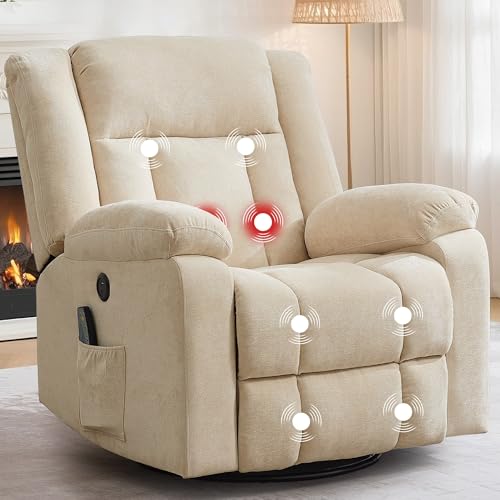
A massage chair warranty can mean the difference between a protected investment and an expensive disappointment. Quality massage chairs cost thousands of dollars and contain complex mechanical and electronic systems that can fail. Understanding what warranties cover, how they're structured, and what to look for helps you evaluate purchases properly and ensures you're protected if problems arise.


This guide covers massage chair warranty structures, what's typically covered (and what isn't), how to compare warranty offerings, and how to maintain warranty protection throughout ownership.
Table of Contents
- Understanding Warranty Structure
- What Warranties Typically Cover
- What Warranties Typically Exclude
- Comparing Warranties Between Brands
- The Claim Process
- Extended Warranty Considerations
- Maintaining Warranty Protection
- Red Flags in Warranty Offerings
- Questions to Ask Before Purchase
- Budget Considerations
- Conclusion
Understanding Warranty Structure
Component-Based Coverage
For more information, check out our guide on Best Massage Chairs with Air Compression.
Most massage chair warranties cover different components for different periods. A typical structure might include:
Frame: Often the longest coverage—5-10 years or even lifetime. Steel frames rarely fail, making this generous coverage low-risk for manufacturers while appearing impressive to buyers.
Parts: Typically 3-5 years. Covers replacement of defective components—motors, rollers, airbags, electronics.
Labor: Usually 1-3 years. Covers the cost of technician service to diagnose and install replacement parts. After labor warranty expires, you pay for service even if parts remain covered.
Understanding this component breakdown reveals true coverage quality better than headline numbers. "5-year warranty" may mean 5-year frame, 3-year parts, and 1-year labor—very different from 5-year comprehensive coverage.
Comprehensive vs. Limited Warranties
Comprehensive warranties cover all defects without significant exclusions. Limited warranties specify what's covered, often excluding certain components or types of failures. Limited warranties may have extensive exclusion lists that reduce practical coverage substantially.
Read warranty terms carefully. A comprehensive warranty from a reputable manufacturer provides more protection than a longer limited warranty with extensive exclusions.
Warranty vs. Extended Service Plans
Manufacturer warranties are included with purchase. Extended service plans (sometimes called extended warranties) are additional purchases that extend coverage beyond standard warranty periods. These are separate products with their own terms, often sold by retailers rather than manufacturers.
What Warranties Typically Cover
Manufacturing Defects
All warranties cover manufacturing defects—problems resulting from faulty materials or workmanship. Components that fail under normal use due to manufacturing issues are covered. This is the core warranty purpose.
Component Failures
Parts that stop working during the coverage period are typically covered. Motor failures, roller mechanism problems, electronic control issues, airbag failures, and similar component breakdowns fall under warranty protection when not caused by misuse.
Structural Issues
Frame defects, joint failures, and structural problems are covered, usually for extended periods. Frame issues are rare with quality chairs, but coverage provides assurance against manufacturing defects in fundamental structure.
What Warranties Typically Exclude
Normal Wear
Components that wear out through normal use aren't covered by most warranties. Upholstery deterioration, cushion compression, and similar aging effects are expected and excluded. The warranty covers defects, not lifespan exhaustion.
User Damage
Damage from misuse, accidents, or improper care isn't covered. Exceeding weight limits, spilling liquids into controls, allowing pets to damage upholstery, or using inappropriate cleaning products can void coverage for resulting damage.
Commercial Use
Warranties for residential chairs typically exclude commercial use. Using a home chair in a business, rental property, or other commercial application often voids warranty coverage. Commercial applications require commercial-rated products with appropriate warranties.
Unauthorized Repair
Having non-authorized technicians service your chair may void warranty. Manufacturers want trained technicians handling repairs to ensure proper work and prevent additional damage. DIY repairs almost always void coverage.
Improper Electrical
Damage from power surges, improper voltage, or electrical issues beyond manufacturer control may be excluded. Using surge protectors helps prevent excluded electrical damage.
Cosmetic Issues
Purely cosmetic problems—fabric fading, surface scratches, minor upholstery issues—often aren't covered unless they indicate underlying defects. If upholstery fails functionally (tears, delaminates) rather than just aging aesthetically, coverage may apply.
Comparing Warranties Between Brands
For more information, check out our guide on Massage Chair Warranty Guide.
Duration Comparison
Compare apples to apples across the component breakdown. Brand A's "5-year warranty" and Brand B's "3-year warranty" may provide similar practical coverage if Brand B's 3 years is comprehensive while Brand A's 5 years is heavily limited.
Coverage Quality
Read actual warranty documents, not just marketing summaries. Look for exclusion lists, coverage limitations, and conditions. The warranty that sounds better in marketing may prove worse in actual terms.
Service Network
Warranty value depends on ability to actually get service. A generous warranty from a manufacturer with no service network in your area provides little practical protection. Verify that authorized service is available where you live.
Manufacturer Reputation
Warranties are only as good as the company backing them. A 10-year warranty from a company that may not exist in 10 years provides less protection than a 5-year warranty from an established manufacturer with history of honoring claims.
Research manufacturer longevity and reputation for warranty service. Consumer reviews mentioning warranty experiences provide real-world insight.
Transferability
Some warranties transfer to new owners if you sell the chair; others terminate with original purchase. Transferable warranties increase resale value. If you might sell before warranty expires, transferability matters.
The Claim Process
Documentation Requirements
Keep your purchase receipt and warranty registration information accessible. Many warranty claims require proof of purchase with date. Register your warranty if registration is required—some manufacturers won't honor unregistered claims.
Initiating Claims
Most claims start by contacting manufacturer customer service. Describe the problem clearly. Be prepared to provide model number, serial number, purchase date, and proof of purchase. Customer service will guide next steps.
Diagnosis Process
Some issues can be diagnosed remotely through description or video. Others require technician inspection. Manufacturers may have you try troubleshooting steps before dispatching service. Follow guidance to move the process forward efficiently.
Repair vs. Replacement
Warranties typically specify repair as the first remedy, with replacement only if repair isn't feasible. Don't expect automatic replacement for repairable issues. The manufacturer chooses the remedy method within warranty terms.
Timing Expectations
Warranty service takes time—scheduling technicians, ordering parts, completing repairs. Complex issues may require multiple visits. Be patient but persistent. Follow up if timelines extend unreasonably.
Extended Warranty Considerations
When Extensions Make Sense
Extended coverage may make sense for expensive chairs where repair costs would be significant, chairs with complex electronics prone to age-related failures, or buyers planning long-term ownership who want continued protection.
When to Skip Extensions
For more information, check out our guide on Massage Chair Maintenance Guide.
Extended coverage may not be worth it for budget chairs where replacement may cost less than the extension, chairs with already-long manufacturer warranties, or buyers who typically upgrade before coverage would matter.
Evaluating Extended Plans
Scrutinize extended plan terms as carefully as manufacturer warranties. What's actually covered? What's excluded? Who provides service? How do claims work? Generous-sounding plans may have significant limitations.
Timing of Purchase
Some extended plans must be purchased with the chair; others can be added later. If you can wait, buying extension coverage near manufacturer warranty expiration lets you evaluate whether you'll keep the chair long enough to benefit.
Maintaining Warranty Protection
Proper Use
Use the chair as intended. Respect weight limits. Don't modify the chair or use it for unintended purposes. Documentation of misuse can void coverage when claims arise.
Recommended Maintenance
Follow manufacturer maintenance recommendations. If the manual specifies cleaning procedures or maintenance schedules, following them demonstrates proper care. Neglect that contributes to failures may affect claim outcomes.
Authorized Service Only
For any service during warranty period, use only manufacturer-authorized technicians. Unauthorized service, even if well-intentioned, can void remaining coverage. The short-term convenience of local repair isn't worth voiding warranty.
Documentation Retention
Keep purchase receipts, warranty cards, registration confirmations, and any service records throughout the warranty period. Having documentation readily available streamlines claims if problems arise.
Red Flags in Warranty Offerings
Unusually Long Coverage
Warranty periods dramatically exceeding industry norms may indicate new, unproven manufacturers making promises they can't keep. Established manufacturers offer competitive but realistic coverage based on actual reliability data.
Vague Language
Warranties using vague, hard-to-interpret language may be designed to minimize actual coverage. Clear, specific terms indicate honest coverage representation.
Excessive Exclusions
Warranty documents with extensive exclusion lists may provide little practical coverage. If exclusions seem designed to deny common claims, the warranty offers less protection than headline numbers suggest.
No Service Network
Warranties without accessible service networks leave you with coverage you can't use. Verify service availability before purchase.
Questions to Ask Before Purchase
Request complete warranty terms in writing. Ask specifically: What components are covered for how long? What's excluded? How does the claims process work? Where are authorized service providers? Is the warranty transferable? What voids coverage?
Satisfactory answers to these questions ensure you understand your protection. Evasive answers suggest problems you should investigate before purchasing.
Budget Considerations
Better warranties typically accompany higher-quality, higher-priced chairs. Budget chairs often have minimal warranty coverage. Consider warranty quality as part of total value—a chair costing more but offering better protection may provide better long-term value than cheaper chairs with limited coverage.
Factor potential repair costs into budget calculations. Without good warranty coverage, out-of-pocket repairs can significantly increase effective ownership cost.
Conclusion
Massage chair warranties protect significant investments against manufacturing defects and component failures. Understanding warranty structure—the component breakdown of coverage, what's included and excluded, and how service works—enables informed purchase decisions. Compare warranties carefully beyond headline numbers, evaluating actual terms, service accessibility, and manufacturer reputation. Maintain warranty protection through proper use, authorized service, and documentation retention. Quality warranty coverage provides peace of mind that your investment is protected throughout years of use.
For more information, check out our guide on Massage Chair Buying Guide for First Time Buyers.