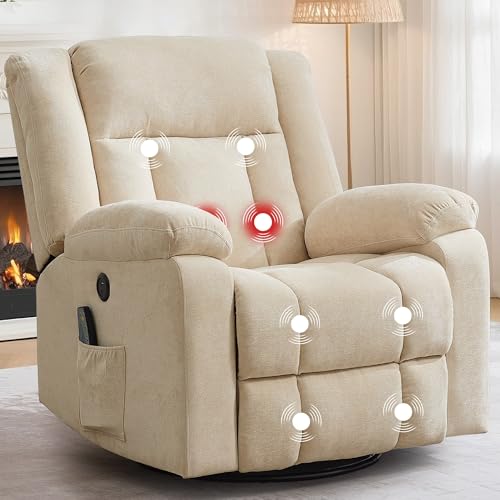
Buying a massage chair is one of those purchases that seems straightforward until you actually start shopping. The price tags are significant, the features lists are long, and every manufacturer claims their chair is the best. Without a systematic approach, it's easy to either rush into a decision you'll regret or get so overwhelmed that you never buy at all.


This checklist breaks down the buying process into manageable steps, helping you evaluate your needs, compare options effectively, and make a purchase you'll be happy with for years to come. Whether you're buying your first massage chair or replacing an old one, working through these considerations methodically leads to better decisions.

Table of Contents
Before You Start Shopping
Define Your Primary Purpose
For more information, check out our guide on Best Massage Chairs for Lower Back Pain.
Different people buy massage chairs for different reasons, and your primary purpose should guide every other decision. Are you looking for relief from chronic back pain? Recovery after workouts? General stress relief and relaxation? Treatment for a specific condition like sciatica or fibromyalgia?
Being honest about your main goal helps you prioritize features. Someone buying primarily for pain relief needs to focus on massage intensity and targeting capabilities. Someone wanting relaxation might care more about comfort features and ambiance. Trying to find a chair that does everything perfectly usually means compromising on what matters most to you.
Consider who else will use the chair. If multiple family members plan to use it regularly, you'll need to think about adjustability and whether the chair accommodates different body types. A chair perfect for one person might be uncomfortable or ineffective for another.
Measure Your Space
For more information, check out our guide on Best Massage Chairs for Sciatica.
Massage chairs are large, and many people underestimate just how much space they need. Before shopping, measure the area where you plan to put the chair, including not just the footprint but also clearance for reclining.
Many massage chairs need 12-24 inches of clearance behind them to fully recline. This means a chair that's 35 inches deep when upright might need a 50+ inch space when in use. Wall-hugger designs reduce this requirement significantly, but you'll still need more space than the chair's basic dimensions suggest.
Consider doorways and hallways the chair will need to pass through during delivery. Some massage chairs can be partially disassembled, but others ship in one piece. Knowing your space constraints upfront prevents the frustration of ordering a chair that won't fit where you want it or can't be delivered into your home.
Set a Realistic Budget
For more information, check out our guide on Best Massage Chairs for Fibromyalgia.
Quality massage chairs range from around $1,000 to over $10,000. Knowing your budget range before shopping prevents wasting time looking at chairs you can't afford and helps you focus on finding the best value within your price range.
Be realistic about what different price points offer. Chairs under $1,500 generally provide basic massage functions but may lack advanced features like body scanning, 3D/4D rollers, or extensive programs. Mid-range chairs ($2,000-$5,000) offer the best balance of features and value for most buyers. Premium chairs above $5,000 include the latest technology and highest build quality but reach a point of diminishing returns for average users.
Factor in potential financing if paying upfront isn't realistic. Many retailers offer 0% financing for 12-24 months, making higher-quality chairs more accessible. Just make sure you understand the terms and can comfortably make the payments.
Understanding Essential Features
For more information, check out our guide on Best Massage Chairs with Body Scanning.
Massage Mechanism Types
The massage mechanism is the heart of any massage chair. Understanding the differences helps you know what to look for and what questions to ask.
2D rollers move in two dimensions, up/down and side to side. They're found in budget chairs and provide basic massage coverage. 3D rollers add a third dimension, moving in and out to vary pressure depth. This creates a more realistic massage feel and better targets deep tissue. 4D rollers add variable speed to 3D movement, allowing the massage rhythm to change during programs for an even more human-like feel.
Track type matters too. S-track rollers follow the natural S-curve of your spine from neck to lower back. L-track extends the coverage under your glutes and sometimes to the back of your thighs. L-track provides more comprehensive coverage but adds cost and complexity.
Body Scanning
Body scanning technology maps your spine's shape and adjusts roller positions to match. Better body scanning means more accurate massage targeting. Without it, the rollers use preset positions that may not align with your body.
Test body scanning when possible. Some systems work much better than others. Good body scanning finds your problem areas accurately; poor body scanning might place rollers in awkward positions that feel uncomfortable or miss key areas entirely.
Heat Functions
Heat enhances massage effectiveness by increasing blood flow and relaxing muscles before the massage works on them. Most quality chairs include heat in the lumbar region at minimum. Better chairs add heat in multiple zones including shoulders, calves, and feet.
Carbon fiber heating elements warm up faster and distribute heat more evenly than traditional heating pads. Check how quickly the heat activates and whether it can be used independently of massage functions for times when you just want warmth.
Air Compression
Air bags inflate and deflate to provide compression massage to areas rollers can't reach effectively. This includes arms, hands, calves, feet, and sometimes shoulders and hips. Good air compression feels like a firm squeeze; poor systems feel uneven or uncomfortably tight.
Adjustable intensity for air compression matters. What feels good for one person might be painful for another, especially for people with circulation issues or sensitive limbs. Being able to reduce air pressure or turn off specific zones improves comfort significantly.
Comfort and Build Quality
Seating Comfort
You'll spend significant time sitting in this chair, so basic seating comfort matters beyond just the massage functions. The seat depth, backrest shape, and padding quality all affect how comfortable you are before, during, and after massage programs.
Test sitting in the chair without running any programs. Does it feel like a comfortable place to relax? Or does something feel off about the position or support? Trust your body's feedback during testing.
Upholstery Quality
Most massage chairs use synthetic leather upholstery. Higher-quality synthetic leather feels softer, breathes better, and lasts longer. Look for upholstery that feels pleasant to the touch and doesn't make you sweat immediately upon sitting.
Some premium chairs offer genuine leather options. While more luxurious feeling, genuine leather requires more maintenance and may not last as long as high-quality synthetic materials in a massage chair application where the material flexes constantly during use.
Construction Quality
Massage chairs contain complex mechanical and electrical systems that need solid construction to function reliably over years of use. Metal frames last longer than plastic ones. Solid-feeling operation without rattles or wobbles suggests better build quality.
Check online reviews specifically for reliability information. A chair might feel great initially but develop problems within a year or two. Look for patterns in complaints about specific issues.
Trying Before Buying
Find Local Showrooms
Whenever possible, test massage chairs in person before buying. Many furniture stores carry massage chairs, and specialty retailers often have multiple models available for testing. Mattress stores increasingly stock massage chairs as well.
Call ahead to confirm which models are available for testing. Some stores have demo units in working condition while others have floor models that aren't connected. You want to actually experience the massage, not just sit in a non-functional display unit.
What to Test
Spend at least 15-20 minutes in any chair you're seriously considering. Run multiple programs, test different intensity levels, and see how the massage feels on your specific problem areas. Don't let salespeople rush you through the process.
Test comfort in positions you'll actually use. If you plan to read or watch TV in the chair, try those activities during your test. If you want to use it for napping, see how comfortable lying back feels.
Questions to Ask
Ask about warranty coverage in detail. What's covered, for how long, and what do you need to do if something breaks? Is in-home service available, or do you need to ship the chair somewhere for repairs?
Understand the return policy completely. How many days do you have to return the chair? Is there a restocking fee? Do you need to keep the original packaging? What condition does the chair need to be in?
Ask about delivery and setup. Will they bring the chair inside and set it up, or just drop it at your door? Is there an additional charge for white-glove delivery that includes setup?
Making the Purchase
Compare Total Costs
The sticker price isn't the only cost to consider. Delivery fees can add hundreds of dollars, especially for in-home setup. Extended warranties add cost but may provide peace of mind. Some retailers include these extras while others charge separately.
Compare the same chair across multiple retailers. Prices can vary significantly, and different retailers may offer different delivery or warranty terms. Don't assume the manufacturer's website offers the best deal.
Verify Everything Before Delivery
Double-check that you're getting the specific model, color, and configuration you intended to order. Massage chair model names can be confusing, and variants exist with different feature sets. Confirm everything in writing before completing the purchase.
Prepare Your Space
Before delivery day, clear the path from your door to where the chair will live. Remove anything fragile or easily damaged. Measure doorways one more time to ensure the chair will fit through. Have the power outlet accessible and ready.
After Purchase
Setup and Testing
When the chair arrives, test all functions immediately while the delivery team is still present if possible. Run through each massage program, test all the air bags, verify the heat works, and check that the recline functions operate smoothly.
Keep all packaging materials for at least the return period. If you need to return the chair, most retailers require original packaging. Once you're certain you're keeping it, you can dispose of the boxes.
Break-In Period
New massage chairs sometimes feel different after a few weeks of use. Leather softens, mechanisms settle, and your body adjusts. Give the chair at least two weeks before deciding if it works for you, unless there's an obvious defect.
Register Your Warranty
Most manufacturers require warranty registration, usually online or by mail. Do this promptly and keep your registration confirmation. You'll need proof of purchase and registration if you ever need warranty service.
Conclusion
A massage chair purchase involves significant money and will impact your daily comfort for years. Working through this checklist systematically helps you avoid common mistakes and increases your chances of finding a chair that truly meets your needs. Take your time, do your research, test whenever possible, and ask questions until you're confident in your decision. The effort you put into buying well pays off in years of reliable comfort and relief.