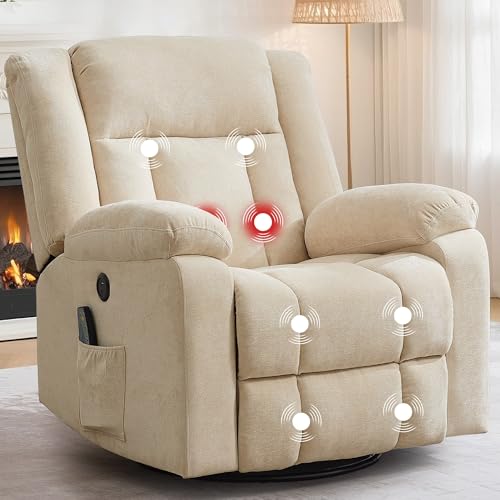
Massage chairs include numerous features with varying importance and value. Understanding what each feature actually does helps you evaluate chairs effectively and avoid paying for features you do not need. Some features represent genuine technological improvements that enhance massage quality. Others are convenience additions or marketing differentiators that sound impressive but may not improve your actual experience. This guide explains common massage chair features and their practical benefits to help you separate meaningful capabilities from optional extras.


The massage chair market has grown increasingly feature-rich as manufacturers compete for attention. But more features doesn't necessarily mean better massage. Knowing which features directly affect massage quality versus which add convenience or aesthetic value helps you make smarter purchasing decisions.

Table of Contents
Core Massage Mechanisms
2D, 3D, and 4D Rollers
For more information, check out our guide on Best Massage Chairs for Lower Back Pain.
The roller dimension rating represents how many directions the massage rollers can move:
2D Rollers: Move in two directions - up and down along the track, and left and right across your back. These provide basic massage at fixed intensity. The rollers travel their programmed path and apply consistent pressure throughout. Adequate for simple relaxation needs but limited in addressing varied tension levels.
3D Rollers: Add a third dimension - depth adjustment. The rollers can press deeper into tissue or pull back for lighter touch. This is the most significant improvement over 2D because it allows intensity customization. You can increase pressure on tight shoulders and reduce it on sensitive lower back areas. Most mid-range quality chairs include 3D capability, and for good reason - the adjustability dramatically improves massage personalization.
4D Rollers: Add variable speed to 3D capabilities. The rollers can speed up and slow down, creating rhythm variation that mimics how human hands naturally vary their pace. This creates more natural-feeling massage by eliminating mechanical consistency. The improvement over 3D is subtler than 3D's improvement over 2D. Some users notice and value the difference; others find 3D adequate.
The practical takeaway: 3D rollers represent the meaningful upgrade threshold. Going from 2D to 3D significantly improves massage quality. Going from 3D to 4D improves feel but may not justify premium pricing for all users.
Track Types Explained
S-Track: Follows the spine's natural S-curve from neck to lower back. Provides good coverage of primary back muscles. The limitation is coverage - massage stops at the lower back. If your tension is primarily in the upper and mid back, S-track covers what you need.
L-Track: Extends the track under the seat to massage glutes and upper thighs. The L-shape provides coverage that S-track cannot reach. This matters for hip-related back issues, since glute tension often contributes to lower back pain. Worth prioritizing if you sit extensively or have hip flexibility issues.
SL-Track: Combines S-curve design with L-track extension for the most comprehensive coverage. Premium chairs typically include SL-track as standard. The longest tracks run 50+ inches, covering from neck through glutes.
The practical takeaway: L-track or SL-track is worth prioritizing for most buyers. The glute massage addresses muscle connections that S-track misses, providing more complete relief.
Body Scanning Technology
Body scanning detects your body dimensions before massage begins. The chair measures your height, shoulder position, spine curvature, and other landmarks to customize massage targeting.
Basic scanning measures general size and adjusts the track position accordingly. Advanced scanning maps specific muscle groups and creates detailed body profiles. AI-enhanced scanning can detect tension areas and adapt massage focus automatically.
Scanning quality directly affects massage accuracy. Without scanning, the chair assumes average anatomy that may not match yours. If your shoulders are unusually wide or narrow, or your spine has distinct curvature, poor scanning means massage hits the wrong spots.
The practical takeaway: All quality chairs include body scanning, but sophistication varies. Premium chairs with advanced scanning provide noticeably better targeted massage.
Positioning Features
Zero Gravity Positioning
Zero gravity elevates your legs above heart level and distributes weight evenly across your body. The position reduces spinal pressure and promotes blood circulation. NASA developed this positioning for astronauts during launch because it minimizes stress on the body.
The benefit is genuine and significant. Zero gravity takes pressure off the spine that sitting creates, enhances relaxation, and improves massage effectiveness. Most users find zero gravity the most comfortable seating position they've experienced.
Multiple zero gravity levels (ZG1, ZG2, etc.) allow customizing recline angle to your preference. Some people prefer slight elevation; others want full recline. Adjustable levels accommodate both.
The practical takeaway: Zero gravity is highly recommended and worth having. The therapeutic benefit is real, not just marketing.
Space-Saving Design
Space-saving or wall-hugger chairs slide the seat forward as the back reclines. This reduces the clearance needed behind the chair - some models can sit just 2-4 inches from walls while fully reclining.
Traditional chairs need 12-24 inches of rear clearance to recline. In smaller rooms or apartments, this space requirement makes ownership impractical. Space-saving design solves that problem.
The practical takeaway: Important for smaller spaces. If your intended location has limited room behind where the chair will sit, prioritize space-saving capability.
Power Recline and Motorized Features
Power recline uses electric motors to adjust chair position smoothly and precisely. All quality massage chairs include power recline - it's standard technology rather than a premium feature.
Extended leg rest (ottoman) adjustment, headrest positioning, and other motorized features add convenience. Being able to extend the leg rest without manual adjustment makes the chair more pleasant to use.
Air Massage Systems
Air Compression Coverage
Airbags inflate and deflate to squeeze and release muscles in areas rollers cannot reach. Air compression typically covers shoulders, arms, hands, hips, thighs, calves, and feet. The rhythmic squeezing promotes circulation and provides massage sensation distinct from roller work.
Coverage varies by chair. Some include airbags only in calves and feet. Others provide full-body air compression from shoulders to toes. More comprehensive coverage generally means better overall massage, though airbag quality matters as much as quantity.
The practical takeaway: Air compression is recommended for comprehensive massage. Check which body areas include airbags before purchasing.
Sequential Inflation
Rather than all airbags inflating simultaneously, sequential inflation follows a pattern - typically from extremities toward the torso. This directional compression promotes circulation by moving fluid toward the heart.
Sequential inflation provides therapeutic benefit beyond simple squeezing. The directed movement supports cardiovascular function and can reduce swelling in legs and feet.
The practical takeaway: Premium feature that adds value for circulation concerns but isn't essential for basic massage needs.
Adjustable Air Intensity
For more information, check out our guide on Best Zero Gravity Massage Chairs.
Control over how firmly airbags inflate. Some users prefer gentle compression; others want firm squeezing. Intensity adjustment allows personalizing air massage to your tolerance and preference.
Heat Therapy Features
Lumbar Heat
Heating elements in the lower back area warm tissue before and during massage. Heat relaxes muscles, increases blood flow, and helps tight areas release more readily. Lumbar heat is the most common and arguably most valuable heating location since the lower back carries chronic tension for most people.
The practical takeaway: Lumbar heat is recommended. The therapeutic benefit is genuine and enhances massage effectiveness.
Extended Heat Zones
Premium chairs may include heat in multiple areas: lumbar, calves, feet, shoulders, or seat. More heat zones mean more comprehensive warmth therapy, though lumbar heat alone provides most of the practical benefit.
Calf heat particularly helps people who stand all day or have lower leg circulation concerns. Shoulder heat benefits those with chronic upper back tension.
Heat Temperature Control
Some chairs allow adjusting heat intensity from warm to hot. Temperature control lets you customize warmth to preference and outside temperatures - less heat needed in summer, more in winter.
Program and Control Features
Pre-Programmed Massage Modes
Most chairs include preset programs for different purposes: relaxation, deep tissue, stretching, specific body areas, etc. These programs coordinate roller movement, air compression, and other features into complete massage experiences.
Program quality varies between manufacturers. Some programs feel well-designed and effective; others seem random or poorly sequenced. User reviews often indicate which chairs have better program design.
Manual Control Options
Beyond preset programs, manual controls let you customize massage in real-time. Adjusting roller position, intensity, speed, and technique during massage allows targeting exactly what you need.
Comprehensive manual control provides flexibility that programs cannot match. If you know what your body needs, manual adjustment delivers it precisely.
User Memory Profiles
Saved settings for multiple household members. Each person can store their body scan, preferred programs, and customized settings. Selecting your profile loads your personalized configuration instantly.
Memory profiles add significant convenience for households with multiple regular users. Without profiles, each person adjusts settings from scratch each session.
Smart and Connectivity Features
Bluetooth Audio
For more information, check out our guide on Best Massage Chairs with Body Scanning.
Wireless connection to play personal audio through chair speakers. You can listen to music, podcasts, or meditation guides during massage without separate equipment.
The practical takeaway: Convenience feature. Nice to have but doesn't affect massage quality.
Voice Control
Verbal commands to operate the chair hands-free. Useful when deeply reclined and reaching the remote is inconvenient. Voice control can start programs, adjust intensity, or change positions without physical button presses.
The practical takeaway: Convenience feature that some users value highly and others never use.
App Control
Smartphone app for controlling the chair and accessing features. Apps may include program customization, usage tracking, and additional content. Some apps enhance functionality; others just duplicate remote control functions.
AI Learning and Adaptation
Premium chairs may learn from your usage patterns and adapt massage recommendations over time. The AI tracks which programs you use, which areas you focus on, and how you adjust settings to provide increasingly personalized suggestions.
The practical takeaway: Premium feature that adds value for frequent users who appreciate guided personalization.
Specialty Features
Stretching Programs
Coordinated movements that stretch your body using recline, airbag compression, and roller positioning. The chair guides you through stretches similar to yoga or physical therapy movements.
Stretching effectiveness varies significantly between chairs. Quality stretching programs provide meaningful spinal decompression and hip opening. Poor implementations offer minimal stretch that doesn't differ much from regular massage.
The practical takeaway: Nice addition but not essential. If stretching matters to you, verify the specific chair's stretching capabilities through reviews before purchasing.
Reflexology Foot Rollers
Some foot massage systems include rollers that work the bottom of your feet rather than just air compression around them. Foot rollers target reflexology points and provide different sensation than airbag squeezing.
Chromotherapy Lighting
Colored LED lighting intended for relaxation enhancement. Colors change during massage for visual ambiance. Benefits are aesthetic rather than therapeutic - there's no evidence colored lights improve massage effectiveness.
Feature Priority Guide
When evaluating massage chairs, prioritize features in this order:
Essential: 3D or 4D rollers for intensity adjustment. L-track coverage for comprehensive massage. Quality body scanning for accurate targeting. Zero gravity positioning for spinal relief.
Highly Recommended: Lumbar heat for muscle relaxation. Comprehensive air compression for full-body treatment. Manual control options for customization.
Recommended: User memory profiles for multi-user households. Extended heat zones. Stretching programs.
Nice to Have: Bluetooth audio. Voice control. App connectivity. Chromotherapy.
The Bottom Line
Focus on core massage quality - roller technology, track coverage, body scanning, and positioning - before evaluating smart features and extras. A chair with excellent fundamentals and few extras provides better massage than one with weak fundamentals buried under features. Quality 3D rollers on an L-track with good body scanning and zero gravity deliver what matters most. Heat therapy and air compression add meaningful value. Smart features provide convenience but don't affect actual massage quality. Match your priorities to feature availability, test chairs personally when possible, and remember that the best massage chair for you is the one that addresses your specific needs, not the one with the longest feature list.
For more information, check out our guide on Massage Chairs with Memory Foam: Comfort Features Explained.