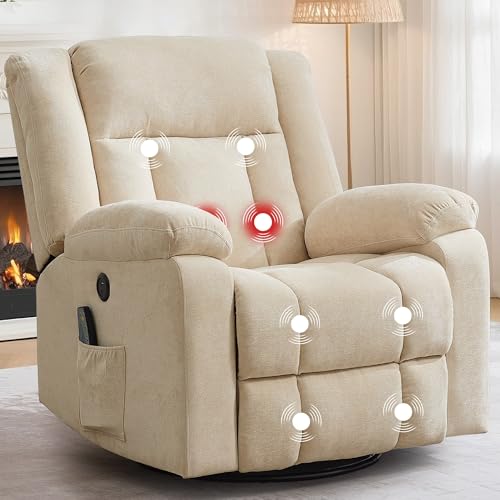
Memory foam has become synonymous with comfort in mattresses and pillows, leading many massage chair buyers to seek out chairs featuring this material. The reality of memory foam in massage chairs is more nuanced than marketing suggests. While memory foam can enhance comfort, understanding how it's actually used in massage chairs - and what it can and can't do - helps you evaluate whether memory foam features justify their typical price premium.


This guide explains how memory foam functions in massage chairs, where it provides genuine benefit, and how to assess whether memory foam features matter for your specific needs and usage patterns.

Table of Contents
How Memory Foam Works in Massage Chairs
The Science of Memory Foam
For more information, check out our guide on Best Massage Chairs for Lower Back Pain.
Memory foam is a type of polyurethane foam that responds to heat and pressure by conforming to shapes pressed against it. Originally developed by NASA for spacecraft cushioning in the 1960s, memory foam became popular in bedding because it molds to body contours, distributing weight evenly and reducing pressure points that cause discomfort.
The foam responds to body heat, becoming softer and more moldable as it warms. This temperature sensitivity means memory foam feels different at the start of use versus after you've been sitting for a while - initially firmer, then conforming more completely as your body heat transfers to the foam. The material slowly returns to its original shape after pressure is released, which is why it's called "memory" foam - it temporarily "remembers" the shape of what pressed against it.
Quality memory foam has consistent cell structure that provides even response across its surface. Lower-quality memory foam may have irregular cells that create uneven comfort or faster breakdown over time.
Memory Foam Placement in Massage Chairs
Memory foam in massage chairs typically appears in specific locations rather than throughout the chair. Complete memory foam massage chairs would actually work poorly because the foam's conforming nature would interfere with massage mechanism function. Instead, memory foam serves as a comfort layer in strategic locations.
Headrest: Memory foam headrests conform to your head and neck shape, providing personalized support that reduces neck strain during extended sessions. This is one of the most valuable memory foam placements because head support significantly affects overall comfort.
Lumbar Cushion: Memory foam lumbar supports mold to your lower back curve, filling the gap that often exists between standard padding and your body. For users with lower back discomfort, this conforming support can provide meaningful relief.
Seat Cushion: Memory foam seat cushions distribute weight more evenly than standard foam, reducing pressure on your tailbone and sit bones during long sessions. The conforming nature creates a "sink into" feeling that many find comfortable.
Armrest Pads: Some chairs include memory foam armrests for enhanced arm comfort during massage sessions.
More extensive memory foam implementations may include the full backrest padding or leg rest cushions, but this is less common and can affect massage sensation as discussed below.
Impact on Massage Experience
Memory foam creates a different seating sensation than traditional padding. The foam conforms to your body shape, creating custom cushioning that distributes your weight across a larger area. This reduces pressure points and can make extended massage sessions more comfortable.
However, the conforming nature of memory foam may affect how massage mechanisms feel. Some users find that memory foam creates a softer, less intense massage sensation because the foam absorbs some of the mechanism's force before it reaches your muscles. The foam acts as a buffer between rollers and your body.
For users who want the most intense, direct massage possible, this dampening effect can be a drawback. For users who prefer gentler massage or who find aggressive mechanisms uncomfortable, the softening effect may be desirable. Personal preference determines whether this characteristic is positive or negative.
Benefits of Memory Foam in Massage Chairs
Enhanced Comfort for Extended Sessions
The primary benefit of memory foam is improved seating comfort, particularly for longer sessions. The foam's pressure distribution reduces the discomfort that can develop from sitting on firmer surfaces for extended periods. If you plan to use your massage chair for 30-minute or longer sessions, or if you use the chair for activities beyond active massage like watching television or reading, this comfort enhancement has real value.
The conforming nature means the chair adapts to your specific body shape rather than forcing your body to adapt to the chair. This personalization improves comfort in ways that one-size-fits-all padding cannot match.
Pressure Point Reduction
Traditional padding can create pressure points, particularly on bony areas like the tailbone, shoulder blades, or hip bones. Memory foam's conforming nature spreads pressure more evenly, reducing the discomfort these pressure points create. For users who are particularly sensitive to pressure or who have conditions that make pressure points problematic - like certain circulatory issues or chronic pain conditions - memory foam provides genuine relief.
The pressure distribution also helps prevent the numbness or tingling that can develop from prolonged pressure on specific areas. If you've experienced this discomfort in standard chairs, memory foam may address it effectively.
Superior Head and Neck Support
Memory foam headrests particularly benefit users who spend significant time in their massage chairs. The foam supports the head and neck in a personalized contour, reducing neck strain that can occur with standard cushioning that doesn't adapt to individual head shapes and sitting positions.
For users who receive neck massage, the conforming headrest helps maintain proper positioning as the massage mechanisms work. Stable head position enhances the effectiveness of neck and upper back massage.
Durability and Shape Retention
Quality memory foam maintains its properties over years of use, returning to shape consistently and not developing permanent impressions. Standard padding materials may compress over time, losing cushioning ability and developing flat spots where you sit most frequently. For long-term comfort retention, memory foam can be a worthwhile investment.
This durability advantage compounds over the chair's lifespan. A chair that remains comfortable after 5 years provides better value than one that becomes uncomfortable after 2 years, even if the initial purchase price was higher.
Limitations and Potential Drawbacks
For more information, check out our guide on Best Massage Chairs for Chronic Pain.
Reduced Massage Intensity
Memory foam may reduce perceived massage intensity because it absorbs some of the force from rollers and other mechanisms before that force reaches your muscles. For users who want the most intense massage possible - perhaps for deep tissue work or stubborn muscle knots - memory foam cushioning might not be desirable.
Chairs with memory foam typically allow you to increase intensity settings to compensate for this dampening effect. But if you're already near maximum intensity and want more, the foam may limit your options. This is a genuine trade-off between comfort and intensity that different users will evaluate differently.
Heat Retention Concerns
Traditional memory foam retains heat, which can make seating uncomfortably warm over extended sessions, especially in already warm environments. The same temperature responsiveness that helps the foam conform to your body also means the foam absorbs and holds your body heat.
However, many massage chairs use modern memory foam variants designed to address this issue. Gel-infused memory foam incorporates cooling gel particles that dissipate heat. Open-cell memory foam structures allow better airflow than traditional closed-cell designs. Ventilated memory foam includes channels or perforations that improve air circulation.
If heat retention concerns you, look specifically for chairs advertising these heat-dissipating memory foam variants rather than assuming all memory foam will make you uncomfortably warm.
Break-In Period Required
New memory foam can feel firmer than it will after a break-in period. The foam softens and becomes more responsive over the first few weeks of regular use as the material loosens up. Initial impressions of memory foam comfort may not reflect how the chair will feel after the foam has had time to adjust.
This means you can't fully evaluate memory foam comfort from showroom testing alone. The foam you test may already be broken in, or it may be new and not yet representing its eventual feel. Understanding this variability helps set appropriate expectations.
Temperature Sensitivity Variations
Memory foam responds to temperature in ways that can affect performance. In cold environments - like a garage workshop in winter or an unheated room - the foam may feel noticeably firmer and less conforming. In very warm environments, it may become too soft and provide less support.
For most climate-controlled home environments, this isn't a significant issue. But if your massage chair will be in a space with temperature extremes, consider how temperature variations might affect foam performance throughout the year.
Price Premium Consideration
Memory foam features typically increase massage chair prices. Whether this premium is worthwhile depends on your comfort priorities and how sensitive you are to the differences between memory foam and standard padding. Some users notice significant improvement; others find the difference minimal.
The premium varies by manufacturer and how extensively memory foam is used. A chair with just a memory foam headrest may cost slightly more than one without. A chair with comprehensive memory foam throughout may carry a substantial premium. Evaluate whether the specific memory foam implementation justifies its specific cost.
Evaluating Memory Foam Features
In-Person Testing Recommendations
The best way to evaluate memory foam in massage chairs is to test in person. Spend enough time in the chair for the foam to warm to your body temperature and conform to your shape - at least 10-15 minutes for meaningful evaluation.
Compare the feel to chairs without memory foam to assess whether the difference matters to you. Run the same massage programs in both types of chairs to feel how the cushioning changes the massage experience. The comparison provides context that testing a single chair cannot.
Pay attention to specific aspects: Does the pressure distribution feel noticeably different? Does the memory foam dampen massage intensity in ways that bother you? Does the conforming feel enhance or detract from your experience?
Understanding Quality Variations
For more information, check out our guide on Best Massage Chairs for Muscle Knots.
Not all memory foam is equal. Density, cell structure, and any gel or cooling infusions affect performance. Higher-density memory foam (4-5 lbs per cubic foot) typically performs better and lasts longer than lower-density alternatives (3 lbs per cubic foot or less).
Unfortunately, specifications often don't provide enough detail to assess foam quality remotely. Brand reputation can be a useful proxy - established massage chair brands typically use better foam than no-name alternatives, though this isn't universal. User reviews mentioning long-term comfort may indicate quality foam that holds up over time.
Prioritizing Placement
Consider where memory foam matters most for your use patterns. If you primarily want back massage and won't spend much time just sitting, a memory foam seat cushion may not be valuable. If you have neck issues and want superior head support, a memory foam headrest might be worth prioritizing specifically.
Some chairs allow you to add or remove memory foam cushions, giving you flexibility to customize the experience. This option lets you experiment with and without memory foam in specific locations to find your preference. If customization matters to you, look for chairs offering this flexibility.
Alternatives to Memory Foam
High-Density Traditional Foam
Quality traditional foam can be very comfortable without memory foam's unique properties. High-density foam provides good support and durability, and some users prefer its more consistent feel compared to memory foam's temperature-responsive behavior. Traditional foam doesn't change feel as it warms, providing predictable comfort.
Gel Padding
Some chairs use gel padding instead of or in addition to memory foam. Gel provides pressure distribution and remains cool better than traditional memory foam. The feel is different - less conforming but consistently comfortable regardless of temperature. For users concerned about heat retention, gel padding offers an alternative approach.
Air Cell Cushioning
A few massage chairs incorporate air cells into their cushioning systems. These provide adjustable support and pressure distribution without the heat retention concerns of foam products. Air cells can be inflated or deflated to customize firmness in ways that foam cannot.
Who Benefits Most from Memory Foam
Memory foam features provide the most value for users who plan extended sessions in their massage chairs - 30 minutes or longer at a time. The comfort enhancement becomes more noticeable the longer you sit.
Users particularly sensitive to pressure points benefit significantly. If standard chairs cause discomfort on your tailbone, shoulder blades, or other bony areas, memory foam's pressure distribution addresses this directly.
Those who use their chairs for relaxation beyond active massage - reading, watching television, or simply resting - get more value from comfort features because they spend more total time in the chair.
Users with neck or head support concerns benefit from conforming headrests that adapt to their specific anatomy.
Conversely, users primarily interested in intense, therapeutic massage may find memory foam less valuable or even counterproductive. The dampening effect on massage intensity can be a genuine downside for these users.
The Bottom Line
Memory foam in massage chairs provides genuine comfort benefits for certain users and use patterns. The foam's conforming properties reduce pressure points and enhance comfort for extended sessions. However, memory foam may soften massage intensity in ways some users find undesirable, and it adds cost that not everyone will find worthwhile. Evaluate whether memory foam matters based on how you'll use your chair - extended sessions and comfort sensitivity favor memory foam; intense massage focus may not. Test in person to feel the difference for yourself. Consider heat retention if you run warm, and look for gel-infused or open-cell variants that address this concern. Don't assume memory foam is automatically worth the price premium - for some buyers, it's a valuable feature that enhances their experience; for others, it's marketing that doesn't align with their actual needs or preferences.
For more information, check out our guide on Massage Chair Features Explained: What Do They Actually Do.