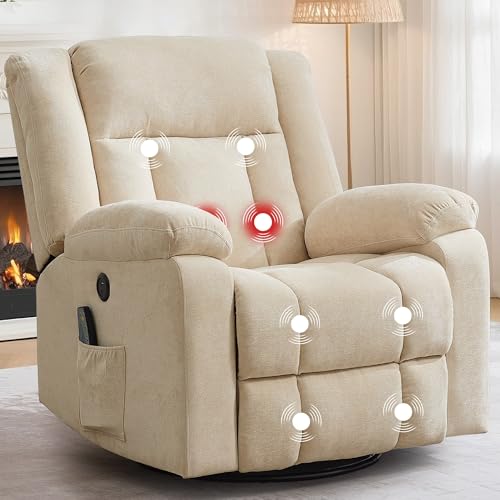
Purchasing your first massage chair can feel overwhelming given the variety of options, technical specifications, and price ranges available. This comprehensive guide walks first-time buyers through everything you need to know to make a confident purchase decision. From understanding features to setting budgets to navigating the buying process, we cover the complete journey from research to ownership.


A massage chair is a significant investment that can provide years of therapeutic benefit and daily comfort. Unlike furniture that serves primarily aesthetic purposes, a massage chair actively contributes to your physical wellbeing. Taking time to understand your options and make an informed decision ensures satisfaction with your purchase for years to come. The chair you choose today may become a daily part of your routine for the next decade.

Table of Contents
Step 1: Determine Your Needs
Identify Your Primary Use Case
For more information, check out our guide on Best Massage Chairs for Lower Back Pain.
Consider how you will primarily use your massage chair. Different use cases suggest different feature priorities, and understanding your main motivation helps focus your search.
Relaxation and Stress Relief: If your primary goal is unwinding after work and reducing daily stress, prioritize comfortable zero gravity positioning, gentle massage options, and ambient features like built-in speakers. Aggressive deep tissue capability matters less if relaxation is your focus. Look for chairs with soothing programs and comfortable padding that makes you want to stay in the chair.
Pain Management: If you're dealing with chronic pain or specific problem areas, focus on massage intensity capabilities, heat therapy, and coverage of your problem zones. Lower back pain benefits from L-track systems that extend under the glutes. Neck and shoulder pain requires quality upper body massage with adjustable width. Research which features address your specific pain locations.
Athletic Recovery: Sports recovery benefits from deep tissue capability, percussion-style massage, and comprehensive air compression for circulation. Athletes often prefer chairs with strong intensity options and full-body coverage. Post-workout recovery programs and the ability to target specific muscle groups add value for athletic use.
General Wellness: If you want a chair for overall health maintenance without specific therapeutic goals, a balanced feature set serves well. Consistent quality across body areas matters more than specialized intensity. Convenience features like easy operation and varied programs support regular use for general wellbeing.
Most buyers have a primary motivation with secondary benefits as bonuses. Identify your main driver and let that guide initial filtering of options.
Consider Your Body
Your body size significantly affects chair selection. Manufacturers specify height ranges (e.g., 5'0" to 6'3") and weight limits (e.g., 300 lbs) for good reasons - chairs outside your parameters won't massage effectively.
Height matters for massage targeting. Too short and the rollers may hit your neck when aiming for shoulders. Too tall and your head may extend past headrest padding. Verify that your height falls within the chair's recommended range.
Weight capacity must exceed your actual weight with comfortable margin. Chairs stressed beyond capacity wear faster and may not provide effective massage. If you're near a chair's limit, look for options with higher capacity.
Body shape matters too. Some chairs accommodate broader shoulders or wider hips better than others. User reviews from people with similar builds provide useful insight into fit.
Assess Your Available Space
Massage chairs require significant floor space - more than many first-time buyers expect. Before shopping, measure your intended location carefully.
Note the width available. Most chairs need 30-36 inches of width when upright, plus access space on at least one side.
Depth matters especially for reclining. Traditional chairs need 12-24 inches of clearance behind them to recline fully. This means a chair sitting against a wall cannot recline without moving it forward.
Wall-hugger or space-saving designs address the depth issue by sliding forward as they recline. These can sit just inches from walls while still fully reclining. If space is tight, prioritize wall-hugger capability.
Consider the room's other furniture. Will the chair overwhelm the space visually? Can you still navigate around it? Tape out the footprint on your floor to visualize placement before purchasing.
Step 2: Understand Key Features
Track Type Explained
The track is the rail along which massage rollers travel. Track type determines which areas receive direct roller massage.
S-Track: Follows the spine's natural S-curve from neck to lower back. Provides good coverage for back muscles but stops at the lumbar - no glute or thigh massage from rollers. S-track works adequately for back-focused needs and keeps costs lower.
L-Track: Extends the track under the seat to massage glutes and upper thighs. The L-shape provides significantly more comprehensive coverage. If you carry tension in your hips or have issues connecting lower back to hip function, L-track addresses areas S-track misses entirely. Worth the additional cost for most buyers.
For first-time buyers, L-track typically provides better value. The glute massage addresses muscle groups that contribute to back pain but receive no attention from S-track systems.
Massage Technology Basics
2D Rollers: Basic rollers moving up/down along the track and left/right across your back. Provides adequate massage at fixed intensity. The limitation: you cannot adjust how deep the rollers press. What you feel is what you get. 2D works for entry-level needs and budget constraints.
3D Rollers: Adds depth adjustment - rollers can press deeper or pull back for lighter touch. This is the single most important upgrade from basic technology. With 3D, you can increase intensity on stubborn knots and decrease it on sensitive areas. The customization dramatically improves massage effectiveness. Prioritize 3D capability if budget allows.
4D Rollers: Adds speed variation to 3D capabilities. Rollers can move faster or slower, creating rhythm changes that feel more like human hands. 4D provides the most natural massage sensation. The improvement over 3D is real but subtler than 3D's improvement over 2D.
For first-time buyers, 3D represents the meaningful upgrade threshold. If choosing between 3D and 4D, the 3D is adequate; if budget allows 4D, you'll appreciate the improved feel.
Air Compression Systems
Airbags inflate and deflate to squeeze and release muscles in areas rollers cannot reach. Air compression typically covers shoulders, arms, hands, hips, legs, and feet. The rhythmic squeezing promotes circulation and provides massage sensation distinct from roller work.
More airbags generally means more comprehensive coverage, though quality matters as much as quantity. Well-designed air systems feel like a comfortable hug; poorly designed ones feel like blood pressure cuffs.
Look for adjustable air intensity. Many first-time users find default compression too tight. The ability to reduce pressure prevents discomfort during early use.
Heat Therapy Integration
Most quality chairs include lumbar heat, which warms the lower back area. Heat relaxes muscles before and during massage, enhancing effectiveness. For lower back issues especially, lumbar heat provides real therapeutic benefit.
Premium chairs may add heat in other zones: calves, back, or feet. More heat zones mean more comprehensive warmth therapy. Lumbar heat is the most important; additional zones are nice bonuses.
For first-time buyers, ensure the chair includes lumbar heat at minimum. It's one of the features that makes daily use more enjoyable and effective.
Zero Gravity Positioning
Zero gravity elevates your legs above heart level while reclining your back, distributing weight evenly across the body. The position reduces spinal pressure and promotes circulation. NASA developed this positioning for astronauts because it minimizes stress on the body.
The benefit is genuine, not marketing hype. Zero gravity positioning provides noticeable relaxation enhancement. Most users find it the most comfortable seating position they've ever experienced.
Virtually all quality massage chairs include zero gravity. Multiple zero gravity stages (ZG1, ZG2) allow customizing your preferred recline angle. This is a feature to expect, not one to pay premium for.
Step 3: Set Your Budget Realistically
Budget Tier: $500-$1,000
Entry-level full body chairs providing basic massage functionality. Expect 2D rollers, S-track coverage, basic air compression, and standard positioning. Build quality is adequate for occasional use but may not withstand heavy daily use for many years.
This tier works well for first-time buyers testing whether massage chairs fit their lifestyle, occasional users who won't stress the chair heavily, and those with limited budgets who want some massage benefit at minimal investment.
Limitations: massage quality won't match higher tiers, durability may be limited to 3-5 years with regular use, and features will be basic compared to what's possible.
Mid-Range: $1,000-$2,500
For more information, check out our guide on Best Massage Chairs for Neck and Shoulder Pain.
Quality chairs with comprehensive features representing excellent value for regular users. Expect 3D massage technology, body scanning, better build quality, more massage programs, and longer warranties.
This tier provides the best balance of capability and value for most first-time buyers. You get meaningful massage quality improvements over budget options without paying for features you may not need or appreciate yet.
Many excellent chairs fall in this range. First-time buyers who expect to use their chair regularly often find their best satisfaction here.
Premium: $2,500-$5,000
Advanced features including 4D massage, AI learning, voice control, superior build quality, and longer warranties. Materials improve - better padding, more durable upholstery, smoother mechanisms.
Premium chairs provide noticeably better massage and construction. For first-time buyers who research thoroughly and know they want quality, this tier delivers. However, the improvements over mid-range may not be apparent without prior massage chair experience to compare.
Luxury: $5,000+
Top-tier technology and craftsmanship. The absolute best massage quality, premium materials, cutting-edge features, and comprehensive warranties.
For first-time buyers, luxury tier rarely makes sense. Without experience using massage chairs, you can't fully appreciate what premium pricing buys. Most first-time buyers find equivalent satisfaction at lower price points and can upgrade later if desired.
Budget Guidance for First-Timers
For most first-time buyers, the $1,500-$3,000 range provides optimal value. You get quality massage technology that demonstrates what massage chairs can do without overpaying for refinements you can't yet appreciate. If this is more than you want to spend initially, the $800-$1,200 range offers functional entry points for testing whether massage chair ownership fits your life.
Step 4: Research and Compare Options
Read Reviews Thoughtfully
Seek reviews from verified purchasers with similar needs and body types. Pay attention to durability comments from owners who've had their chairs for months or years, not just initial impressions. Many chairs feel great initially; long-term reliability is what matters.
Be skeptical of reviews that seem promotional or that rate everything five stars without substance. Look for reviewers who mention specific positives and negatives - balanced reviews provide more useful information.
Note patterns across reviews. If multiple reviewers mention the same issue, it's likely real. If one reviewer has a problem no one else mentions, it may be an outlier experience.
Create a Comparison Framework
List chairs you're considering and compare key specifications: track type, roller technology, dimensions, weight capacity, warranty terms, and price. A spreadsheet or comparison chart makes differences visible.
Identify which features matter most to you and evaluate chairs primarily on those criteria. Don't let long feature lists distract from core massage quality and your specific needs.
Verify Warranty Coverage
Warranty length and comprehensiveness indicate manufacturer confidence. Longer warranties suggest the manufacturer expects the chair to perform reliably.
Understand what's covered: frame (structural), parts (mechanical and electrical), and labor (technician visits). Coverage periods often differ - frame may be warranted 3 years while labor is only 1 year.
Check warranty exclusions. Normal wear, cosmetic damage, and misuse are commonly excluded. Know what's not covered before you need to make a claim.
Step 5: Make Your Purchase
Buy from Reputable Sources
Purchase from authorized dealers or major retailers to ensure valid warranties and reliable support. Unauthorized sellers may offer lower prices but provide chairs with voided warranties or used units sold as new.
Verify authorization through manufacturer websites when purchasing from smaller retailers. The warranty protection is worth paying a bit more than gray market pricing.
Understand Return Policies
Know the return policy before purchasing. Some retailers offer generous in-home trial periods; others have strict return windows. If you can't test before buying, return policy becomes your protection against choosing poorly.
Understand any restocking fees or return shipping costs. "Free returns" sometimes means store credit only. Read the fine print.
Plan for Delivery
For more information, check out our guide on Best Massage Chairs for Chronic Pain.
Massage chairs are heavy (200-300 lbs typically) and arrive in large boxes. Ensure you have help available or that delivery includes setup assistance.
Verify the chair can fit through your doorways and hallways. Measure doorway widths and compare to chair dimensions. Some chairs can be partially disassembled for tight spaces, but this requires knowing in advance.
White glove delivery carries the chair to your room of choice and handles assembly. Standard delivery may leave the chair curbside. Understand what you're getting and plan accordingly.
What to Expect After Purchase
Initial Adjustment Period
Your body needs time to adapt to massage chair use. Initial sessions may feel intense even at moderate settings. Start with 15-20 minute sessions at lower intensity and gradually increase as your body adjusts.
The chair itself may feel different during break-in. Padding settles, mechanisms smooth out, and the overall feel can change subtly during the first few weeks of use.
Finding Your Preferences
Experiment with different programs, intensities, and positions during early use. What you think you'll prefer may differ from what actually works best. Give yourself time to explore the chair's capabilities before settling into routine use.
Realistic Expectations
Massage chairs provide genuine therapeutic benefit, but they're not magic. Chronic conditions may improve but may not disappear entirely. Regular use produces better results than occasional use. Think of your chair as a wellness tool that contributes to overall health alongside other healthy practices.
Common First-Timer Mistakes to Avoid
Buying Based on Price Alone
The cheapest chair is rarely the best value when quality and longevity suffer. A chair that breaks in two years costs more per use than a quality chair lasting ten years. Consider total ownership cost, not just purchase price.
Ignoring Size Requirements
Buying a chair without verifying it fits your body and space leads to disappointment. A chair that doesn't accommodate your height won't massage effectively regardless of features.
Overbuying Features
First-time buyers don't need the most advanced chairs. Without experience, you can't appreciate what premium features provide. Buy appropriate to your current needs and understanding; upgrade later if desired.
Skipping Research
Impulse massage chair purchases rarely satisfy. The investment warrants research. Taking time to understand options leads to purchases you'll appreciate for years.
The Bottom Line
Purchasing your first massage chair is an exciting investment in your daily comfort and wellness. Success requires understanding your needs, learning about features, researching options, and buying from reputable sources. The $1,500-$3,000 range typically provides optimal value for first-time buyers who want quality without overspending. Prioritize 3D massage technology and L-track coverage for meaningful massage quality. Ensure the chair fits your body and space. Take advantage of return policies if you can't test before buying. With thoughtful selection, your first massage chair becomes a valued part of daily life for years to come. The time invested in research pays dividends in long-term satisfaction.
For more information, check out our guide on Massage Chair Buying Guide: Everything You Need to Know.