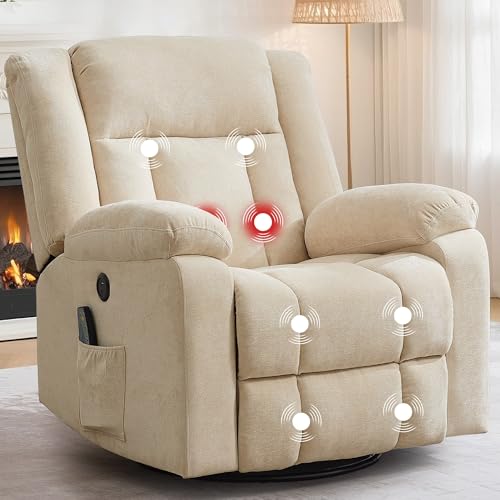
Massage chair noise can significantly impact the relaxation experience and determine whether a chair is appropriate for certain environments. From apartment living with thin walls to home theater integration, noise levels matter. Understanding what creates noise in massage chairs and which models operate quietly helps you find a chair that works in your specific environment without disrupting household members, neighbors, or your own relaxation.


Noise in massage chairs comes from multiple sources: motors driving the rollers, air pumps powering compression systems, and mechanical movement of parts. Different chairs manage these noise sources with varying effectiveness, resulting in significant variation in operating volume across the market. The quietest chairs use engineering solutions that reduce noise without sacrificing massage effectiveness, while budget options often cut corners on noise reduction to save costs.

Table of Contents
Understanding Massage Chair Noise Sources
Roller Motors
For more information, check out our guide on Best Massage Chairs with Air Compression.
The motors driving massage rollers are primary noise generators. Motor quality significantly affects noise level - premium motors with tighter tolerances and better bearings operate more quietly than budget alternatives. The motor housing and mounting also matter; properly isolated motors transmit less vibration to the chair structure.
Noise increases at higher intensity settings because motors work harder. A chair that's acceptably quiet at medium intensity may become noticeably loud at maximum. When testing chairs, evaluate noise at the intensity levels you'll actually use rather than just at gentle settings.
Motor noise typically sounds like humming or whirring. Grinding or clicking sounds indicate potential quality issues rather than normal operation. Quality chairs should sound smooth during roller operation.
Air Pumps and Compression Systems
Air compression systems are often the loudest components in massage chairs. The pumps that fill airbags create rhythmic pumping sounds as they operate. Some systems use single pumps that inflate bags sequentially; others use multiple pumps that can operate simultaneously.
Dual pump systems may be louder than single pump systems because two pumps create more sound, but they also provide more capable compression. Some chairs offer the ability to disable air compression entirely for quieter roller-only sessions.
Quality pumps housed in sound-dampening enclosures reduce noise significantly. Budget chairs often install pumps with minimal isolation, allowing pump noise to transmit through the chair structure and amplify.
Air release noise also contributes. When airbags deflate, air escaping creates hissing sounds. Some chairs manage this with baffled vents that reduce the hissing; others simply let air escape freely.
Mechanical Movement and Track Systems
Moving parts create operational sounds beyond motor and pump noise. Roller tracks may click or hum as rollers travel along them. Recline mechanisms operate with motor sounds and sometimes mechanical clicks at position limits. Footrest extension and retraction involves motor operation and moving parts.
Loose components or poor assembly quality can create rattles that add to perceived noise. Quality construction with tight tolerances reduces these incidental sounds. Wear over time can increase mechanical noise as parts loosen.
The material choices in chair construction affect sound transmission. Hard plastics and metal frames can amplify vibrations; padding and softer materials absorb sound. Premium chairs often include sound-dampening materials in their construction.
Environmental Factors
Room acoustics affect how loud a chair seems. Hard floors, bare walls, and minimal furnishing create rooms where sounds reflect and amplify. Carpeted rooms with soft furnishings absorb sound and make the same chair seem quieter.
Chair placement matters too. Positioning against a wall can amplify sounds as the wall reflects noise back. Placing chairs away from walls and in carpeted areas reduces perceived noise.
Measuring and Comparing Noise Levels
Decibel Ranges
Most massage chairs operate between 50-70 decibels, roughly spanning from conversation level to vacuum cleaner level. The quietest chairs operate under 50 dB, making them barely noticeable in normal room environments. Louder chairs may exceed 70 dB at maximum intensity, becoming intrusive.
For context: 50 dB equals quiet office or rainfall sounds. 60 dB equals normal conversation. 70 dB equals a running vacuum cleaner or busy traffic. 80 dB equals a blender or loud traffic. Understanding these references helps evaluate whether a chair's noise level works for your situation.
Variability During Operation
Noise levels aren't constant during massage sessions. Different programs create different sounds as mechanisms change what they're doing. Air compression cycles on and off. Roller intensity varies. A chair might average 55 dB but spike to 65 dB during certain movements.
Peak noise levels matter as much as averages. Even if a chair is mostly quiet, loud peaks during certain functions can be disruptive. Ask about or test the loudest operations, typically maximum intensity roller massage and vigorous air compression.
Subjective Perception
Decibel measurements don't capture all aspects of perceived noise. Some sounds are more annoying than others at the same volume. High-pitched whines feel more intrusive than low hums. Rhythmic sounds may be soothing or irritating depending on frequency and pattern.
Personal testing matters because your perception of whether a noise level is acceptable depends on factors measurements can't capture. What sounds fine in a busy showroom may feel intrusive in your quiet bedroom.
Quietest Massage Chair Options
Human Touch Super Novo
For more information, check out our guide on Best Massage Chairs with Bluetooth.
The Human Touch Super Novo was specifically engineered for quiet operation. Human Touch recognized that noise interferes with relaxation and made silence a design priority throughout development. The engineering attention shows in noticeably quieter operation than most competitors.
Cloud Touch technology is inherently quieter than aggressive mechanical massage. The gentle, distributed pressure approach reduces the mechanical stress that creates noise. The same technology that makes the massage feel more human also makes it sound less mechanical.
Quality motor and pump engineering minimizes noise from these typically loud components. The Super Novo uses premium motors with precision bearings and well-isolated mounting. Pump noise is managed through enclosure design that dampens sound transmission.
The overall result: the Super Novo operates quietly enough for apartment living, home theaters, and noise-sensitive environments. Users can enjoy massage without disturbing sleeping partners, nearby neighbors, or their own relaxation.
Human Touch Novo XT2
The Human Touch Novo XT2 continues the brand's quiet operation focus. The engineering prioritizes noise reduction alongside massage effectiveness, applying similar principles to the more accessible XT2 model.
The XT2 is suitable for home theaters where chair noise would interfere with audio quality. It works in offices where loud equipment would disturb colleagues. It handles noise-sensitive living situations where disturbance matters.
Quality construction throughout reduces rattles and vibrations that add to perceived noise. Tight tolerances and proper assembly ensure the chair operates smoothly over time rather than developing looseness that increases sounds.
Human Touch WholeBody 7.1
The Human Touch WholeBody 7.1 with FlexGlide technology operates exceptionally quietly because its design is fundamentally simpler than full-featured massage chairs. The furniture-style approach prioritizes seamless living room integration, and noise reduction supports that goal.
Without the air compression systems of larger chairs, a major noise source is eliminated. The WholeBody uses orbital massage technology that operates quietly by design. Fewer complex mechanisms mean fewer things making sound.
The quiet operation particularly suits office environments and shared living spaces. Users report successful use in open-plan offices without disturbing colleagues.
Osaki OS-Pro Maestro
The Osaki OS-Pro Maestro includes noise reduction engineering while maintaining comprehensive features. Not as quiet as dedicated low-noise designs like the Super Novo, but quieter than many full-featured alternatives at similar price points.
The trade-off here is comprehensive massage capability with reasonable noise levels rather than ultra-quiet operation with potentially reduced features. For users who want full-featured massage and acceptable (though not minimal) noise, the Maestro represents a balanced approach.
Luraco i9 Max
Luraco's American-made construction includes attention to noise levels. The engineering standards applied to their Texas manufacturing include motor and pump specifications that reduce operating sounds. The quality construction minimizes rattles and loose-component noise.
The FDA registration as a medical device suggests quality standards that indirectly support quiet operation - medical-grade equipment typically requires controlled operating characteristics including reasonable noise.
Noise Considerations by Environment
Apartments and Shared Wall Living
Thin walls and close neighbors require careful attention to chair noise. Sound transmits through walls, floors, and ceilings, potentially disturbing adjacent units even at moderate volume levels.
Choose chairs with documented quiet operation for apartment use. Human Touch models specifically engineered for quiet performance work well. Avoid chairs known for loud air pumps or aggressive mechanical operation.
Placement matters. Position chairs away from shared walls when possible. Internal walls transmit less sound to neighbors than walls shared with adjacent units. Floor pads or thick rugs under chairs reduce vibration transmission to lower floors.
Timing helps too. Even quiet chairs are more noticeable at night when ambient noise drops. Avoiding late-night intense massage sessions shows consideration for neighbors while still allowing daytime use.
Home Theaters and Media Rooms
Audio quality matters in home theaters. Chair noise competing with movie soundtracks defeats the purpose of quality audio systems. The ideal is massage chairs quiet enough that they don't interfere with normal viewing volume.
Test noise levels at your actual viewing volume. A chair that seems quiet in isolation may become noticeable when you're trying to hear dialogue. The quietest chairs allow massage during viewing without requiring volume increases.
Consider positioning relative to speakers. Chairs placed near speakers may have noise masked during loud sequences but become noticeable during quiet moments. Consistent quiet operation matters more than relative volume.
Office and Professional Environments
Professional settings require discretion. Loud massage chair operation disrupts colleagues and creates unprofessional impressions. Chairs installed in offices should operate at levels that don't carry beyond the immediate area.
Private office placement helps but doesn't eliminate concerns. Even behind closed doors, very loud chairs can be heard. Conference calls during massage require particularly quiet operation or the call participants will notice.
Shared workspace massage chairs - increasingly common in modern offices - require especially quiet operation to avoid disturbing everyone in the area. The WholeBody 7.1 works well for these applications.
Bedrooms and Sleeping Areas
For more information, check out our guide on Best Deep Tissue Massage Chairs.
Bedroom placement works for many people who want massage before sleep. But if a partner is sleeping, noise becomes critical. Even moderate noise can disturb light sleepers.
The quietest chairs allow use while a partner sleeps in the same room. Others may require use only when the room is otherwise empty. Know your situation and choose accordingly.
Reducing Noise from Any Chair
Placement Optimization
Position chairs on carpet or thick rugs to absorb vibration. Hard floors reflect and amplify sounds; soft surfaces dampen them. Anti-vibration pads under chair feet further reduce sound transmission to floors.
Keep chairs away from walls to prevent sound reflection and amplification. Even six inches of clearance reduces the acoustic amplification effect. Corner placement tends to be loudest because two walls reflect sound.
Avoid placement on hollow floors or above unfinished basements where sound can echo. Solid floor construction reduces transmission to other rooms and levels.
Settings and Program Selection
Lower intensity settings generally produce lower noise. Maximum intensity drives motors harder and creates more mechanical stress, both of which increase sound. Moderate intensity often provides adequate massage at significantly reduced noise.
Air compression can be disabled on many chairs for quieter roller-only sessions. When air pump noise is the primary issue, disabling compression and using manual roller massage reduces sound significantly.
Gentler program options typically run quieter than aggressive deep tissue modes. If noise matters, select relaxation programs over intensive treatments.
Maintenance for Quiet Operation
Keep moving parts clean and lubricated according to manufacturer guidelines. Dirt and wear increase friction, which increases noise. Regular maintenance preserves quiet operation over time.
Address new noises promptly. Clicking, grinding, or rattling that develops indicates something changing - possibly loose components or worn parts. Early attention prevents small issues from becoming louder problems.
Tighten loose bolts and fasteners if any develop play. Assembly looseness creates rattles that add to overall noise. Periodic checking maintains factory tightness.
Testing and Evaluating Chair Noise
In-Store Testing Limitations
Showroom testing has limitations for noise evaluation. Showrooms are often noisy environments where chair sounds are masked. The context doesn't match your quiet home where the same sounds become more noticeable.
Try to test in quieter moments if possible. Early morning or slow periods may offer lower ambient noise for more accurate assessment. Ask if the showroom has a quieter demonstration area.
What to Listen For
Test at the intensity levels you'll actually use. Maximum intensity is loudest but may not reflect typical operation. Test moderate settings for realistic assessment.
Listen for mechanical sounds that suggest quality issues: grinding, clicking, or inconsistent noise. Smooth operation sounds different from problematic operation.
Run air compression separately to evaluate pump noise independently from roller noise. Understanding which system creates which sounds helps predict home performance.
Return Policies and Home Testing
Generous return policies allow home testing where you can truly evaluate noise levels in your actual environment. A chair that seemed fine in the showroom may reveal noise issues at home that warrant return.
Understand return policies before purchasing if noise is a significant concern. The ability to return a chair that proves too loud protects your investment.
The Bottom Line
Noise levels significantly affect massage chair suitability for various environments. Understanding noise sources - motors, air pumps, and mechanical movement - helps evaluate and compare options. The Human Touch Super Novo leads in quiet operation engineering for those prioritizing silence. The Human Touch Novo XT2 provides premium quiet performance. The Human Touch WholeBody 7.1 offers furniture-quiet simplicity. For apartment living, home theaters, offices, and shared spaces, prioritize quiet operation to ensure the chair enhances relaxation rather than creating disturbance. Optimize placement, use appropriate settings, and maintain the chair properly to minimize noise from whatever model you choose. When noise sensitivity matters for your situation, it's worth paying premium prices for quiet engineering rather than discovering too late that a budget chair disturbs your environment.
For more information, check out our guide on Massage Chair Glossary: Understanding Common Terms.