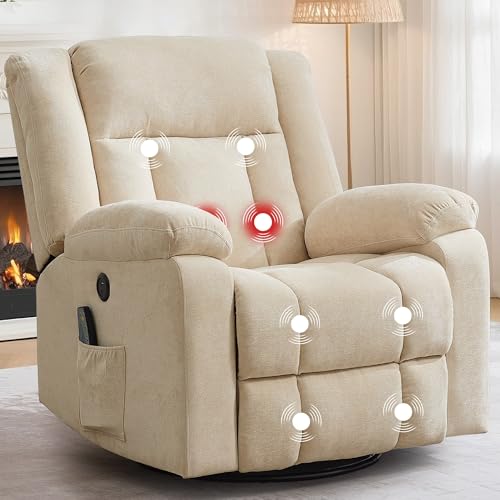
Massage chair shopping involves terminology that can be confusing for newcomers. Understanding these terms helps you evaluate chairs more effectively and compare features accurately. From track types to roller technology to massage techniques, the vocabulary of massage chairs has grown increasingly technical as the technology has evolved. This glossary covers the most common massage chair terms you will encounter, explaining not just what they mean but how they affect your actual massage experience.


Whether you're researching your first massage chair or upgrading from a basic model, knowing this terminology helps you understand what manufacturers are actually offering and whether specific features justify their costs.

Table of Contents
Track Types
S-Track
For more information, check out our guide on Best Massage Chairs for Lower Back Pain.
A massage roller track that follows the natural S-curve of the spine. The track guides the massage rollers along the spinal contours from neck to lower back. This design emerged early in massage chair development as manufacturers recognized that a straight track doesn't match human anatomy.
S-track provides effective massage for the primary spinal muscles but stops at the lower back. For users whose main concerns are neck and back tension, S-track covers the essential areas. The limitation is that glutes and upper thighs receive no roller massage.
Many budget and mid-range chairs use S-track because it's proven effective and costs less to manufacture than extended tracks. Don't dismiss S-track chairs automatically - they serve many users well.
L-Track
Extended track that continues under the buttocks and upper thighs in an L-shape. The track curves beneath the seat to provide massage coverage that S-track cannot reach. This extension addresses glute muscles and the connection between lower back and hip where many people carry tension.
L-track represents a meaningful upgrade over S-track for users who sit extensively or have hip-related back issues. The glute massage helps release muscles that affect lower back function. Runners, cyclists, and desk workers often find L-track coverage particularly valuable.
The downside is cost. L-track mechanisms require more engineering and materials, increasing chair prices. Evaluate whether the extended coverage matters for your specific needs before paying the premium.
SL-Track
Combination of S-curve design with L-track extension. The track follows the spine's natural curves while also extending under the seat. This provides the most comprehensive roller coverage available in current massage chair technology.
SL-track appears on premium chairs and indicates attention to comprehensive massage delivery. The term sometimes appears interchangeably with L-track, so verify actual track length when comparing chairs.
Roller Technology
2D Rollers
Basic rollers that move in two dimensions: up and down along the track, and left and right across the back. These rollers provide adequate massage for basic needs, traveling along the spine and moving laterally to cover shoulder blade areas.
2D rollers cannot adjust pressure depth. Whatever intensity the roller provides is constant - you cannot make it press deeper or lighter during the massage. This limits personalization but works fine for users who don't need variable intensity.
Budget chairs typically use 2D rollers. The technology is proven, reliable, and keeps costs down. If your massage needs are straightforward and your budget is limited, 2D chairs can provide meaningful relief.
3D Rollers
Add depth adjustment (in and out movement) to 2D capabilities. The rollers can press deeper into tissue or pull back for lighter touch. This third dimension creates the most significant massage quality improvement over basic rollers.
With 3D rollers, intensity becomes adjustable in real-time. You can increase depth on tight areas and reduce it on sensitive spots. The massage adapts to your tolerance and needs rather than forcing you to accept fixed pressure.
3D technology represents the sweet spot for most buyers - meaningful improvement over 2D without the premium pricing of 4D. Most mid-range quality chairs now include 3D rollers as standard.
4D Rollers
Add speed variation to 3D capabilities. The fourth dimension refers to time - rollers can move faster or slower, creating rhythm variation that mimics how human hands naturally vary their pace during massage.
4D creates more natural-feeling massage by eliminating the mechanical consistency of constant-speed rollers. The variable rhythm feels less robotic and more like actual hands working on your back.
Whether 4D justifies its premium over 3D depends on sensitivity to massage feel. Some users notice and value the difference significantly; others find 3D adequate. Test both if possible before deciding the upgrade is worth the cost.
Roller Width Adjustment
Some chairs allow adjusting the distance between roller heads. This customizes massage to individual shoulder width, ensuring rollers contact actual muscle rather than hitting beside them.
Width adjustment matters most for users with unusually narrow or wide shoulders. Average-build users may find fixed-width rollers work fine. But if you've tried massage chairs that seemed to miss your muscles entirely, width adjustment solves that problem.
Positioning Features
Zero Gravity
Reclining position where legs are elevated above heart level, inspired by NASA astronaut positioning during launch. The position distributes weight evenly across the body, reducing pressure on the spine and promoting circulation.
Zero gravity positioning provides genuine therapeutic benefit independent of massage quality. The spinal decompression and improved blood flow help relaxation and recovery. Many users find zero gravity the most comfortable position they've experienced in any seating.
Most quality massage chairs include zero gravity positioning. Multiple zero gravity angles (ZG1, ZG2, etc.) allow customization to your preferred degree of recline.
Space-Saving Design (Wall Hugger)
Chairs that slide the seat forward while reclining the back, requiring minimal wall clearance. Traditional chairs need significant space behind them to recline; space-saving designs can sit inches from walls.
This feature becomes essential in smaller rooms or apartments where standard chairs simply won't fit. The mechanism allows full recline functionality without dedicating an entire room corner to the chair.
Wall hugger capability adds cost but makes ownership possible in spaces where it otherwise wouldn't be practical. Measure your intended location and check clearance requirements before purchasing any chair.
Power Recline
Electric motor-controlled reclining rather than manual lever or spring mechanisms. Power recline provides smooth, precise positioning adjustment with minimal effort.
All quality massage chairs include power recline. It's standard technology rather than a premium feature. Manual recline appears only on very basic or portable units.
Body Scanning Technology
For more information, check out our guide on Best Zero Gravity Massage Chairs.
Body Scanning
Automatic detection of body dimensions and position before massage begins. Sensors determine where your spine, shoulders, and other landmarks are located so the chair can target massage accurately.
Body scanning quality varies significantly between chairs. Basic scanning detects general size; advanced scanning maps specific muscle groups and spine curvature. Better scanning means better targeted massage.
This feature matters because everyone's body differs. Without scanning, massage targeting assumes average anatomy that may not match yours. Scanning allows personalization that improves massage effectiveness.
AI Body Mapping
Advanced scanning using artificial intelligence to create detailed body maps. AI mapping goes beyond basic measurement to analyze tissue density, tension patterns, and individual anatomy.
Premium chairs with AI mapping can adapt massage not just to body size but to detected tension. The chair identifies where you're tight and adjusts treatment accordingly. This represents the most sophisticated current scanning technology.
User Memory Profiles
Saved settings for multiple users. Each household member can save their preferences, body scan results, and favorite programs. When they select their profile, the chair adjusts to their specific configuration.
User profiles add convenience when multiple people use the chair regularly. Without profiles, each user would need to adjust settings from scratch each session.
Massage Types and Techniques
Shiatsu
Japanese massage technique using focused finger pressure on specific points. In massage chairs, shiatsu is replicated by concentrated rolling and pressing motions that simulate thumb pressure along energy meridians.
Shiatsu programs typically involve slower, deeper pressure than other techniques. The focused nature makes shiatsu effective for releasing specific tension points but potentially too intense for some users.
Kneading
Circular pressing motion that mimics thumb and finger manipulation of tissue. Kneading works muscle tissue by lifting, pressing, and rotating it, similar to how a masseuse works knots with their hands.
Kneading is the most common and versatile massage technique in chairs. It addresses general muscle tension effectively and works well across different body areas and tension levels.
Tapping (Percussion)
Rapid light striking motion for invigoration and muscle activation. Tapping stimulates circulation and can help with muscle stiffness that needs loosening before deeper work.
Tapping is energizing rather than relaxing. Use it when you need to wake up muscles or increase blood flow, not when seeking relaxation. Some users find extended tapping uncomfortable.
Rolling
Continuous movement up and down the spine. Rollers travel the length of the track, stretching and mobilizing spinal tissue. Rolling decompresses vertebrae and stretches back muscles.
Rolling provides a different sensation than stationary techniques. The movement creates traction that helps with spinal flexibility and can relieve compression-related discomfort.
Swedish Massage
Flowing strokes with moderate pressure. In chairs, Swedish programs combine techniques smoothly for overall relaxation rather than targeted deep work.
Swedish programs work well for general stress relief and introduction to massage chair use. The moderate intensity suits users new to massage or those who find deep tissue techniques too intense.
Air Massage Systems
Air Compression
Airbags that inflate and deflate to squeeze and release muscles. Air compression addresses areas rollers cannot reach, including arms, hands, calves, feet, and hips.
More airbags generally means more comprehensive coverage, but placement matters as much as quantity. Quality air compression creates rhythmic squeezing that promotes circulation and muscle relaxation.
Sequential Inflation
For more information, check out our guide on Best Massage Chairs with Body Scanning.
Airbags inflating in sequence from extremities toward the torso. This pattern promotes circulation and lymphatic flow by moving fluid toward the heart in the same direction blood returns.
Sequential inflation provides therapeutic benefit beyond simple squeezing. The directed movement supports cardiovascular function and can reduce swelling in legs and feet.
Adjustable Air Intensity
Control over how firmly airbags inflate. Some users prefer gentle compression while others want firm squeezing. Intensity adjustment allows personalization to preference and tolerance.
Heat Features
Lumbar Heat
Heating elements in the lower back area. Heat relaxes muscles, increases blood flow, and enhances massage effectiveness. Lumbar heat is the most common and arguably most valuable heating location.
The lower back benefits particularly from heat because that's where most people carry chronic tension from sitting and standing. Warmth before and during massage helps muscles release more readily.
Calf Heat
Heating in the leg rest area. Calf heat addresses leg fatigue and promotes circulation in the lower extremities. Particularly valuable for people who stand all day or have circulation concerns.
Full Body Heat
Heating elements in multiple areas throughout the chair. Premium chairs may include heat in lumbar, calves, shoulders, and feet. More heating zones means more comprehensive warmth therapy.
Specialty Features
Stretching Programs
Coordinated movements that stretch the body using recline, airbag compression, and roller positioning. The chair guides your body through stretches similar to yoga or physical therapy movements.
Stretching effectiveness varies widely between chairs. Some provide meaningful spinal decompression and hip opening; others offer minimal stretch that feels like regular massage with different positioning.
Bluetooth Audio
Wireless connection to play personal audio through chair speakers during massage. Allows listening to music, podcasts, or meditation guides without additional equipment.
Voice Control
Verbal commands to operate the chair without touching controls. Useful when deeply reclined and reaching the remote is inconvenient.
Chromotherapy
Colored lighting intended for relaxation enhancement. Usually involves LED lights that change colors during massage. Benefits are primarily aesthetic rather than therapeutic.
Final Thoughts
Understanding massage chair terminology helps you evaluate options more effectively and compare features accurately across brands and models. Track types determine coverage area, with L-track and SL-track providing the most comprehensive massage. Roller dimensions (2D, 3D, 4D) affect massage quality and adjustability, with 3D representing the practical sweet spot for most users. Body scanning quality determines how well the chair personalizes massage to your anatomy. Air compression, heat, and specialty features add value but matter less than core massage quality. Focus on understanding the fundamentals before evaluating extras, and you'll make better purchasing decisions that match your actual needs and budget.
For more information, check out our guide on Understanding Massage Chair Noise Levels and Quiet Operation.