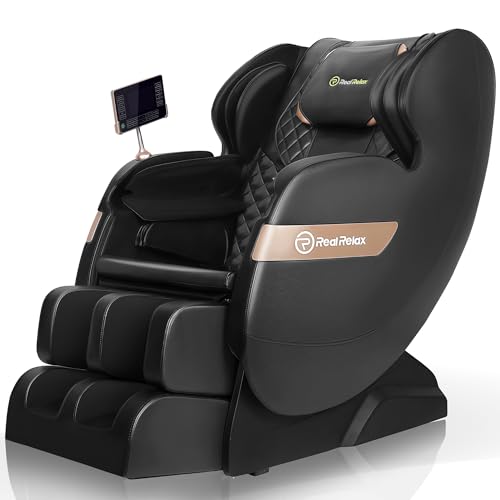
Leg and calf pain affects daily mobility and quality of life in ways that arm or back pain often doesn't. Every step, every stair, every time you stand relies on healthy leg function. Whether you're dealing with muscle fatigue from exercise, chronic tightness from desk work, circulation issues, or recovery from injury, the right massage chair can provide significant relief. Understanding which features effectively target leg and calf problems helps you invest in equipment that actually addresses your specific needs.


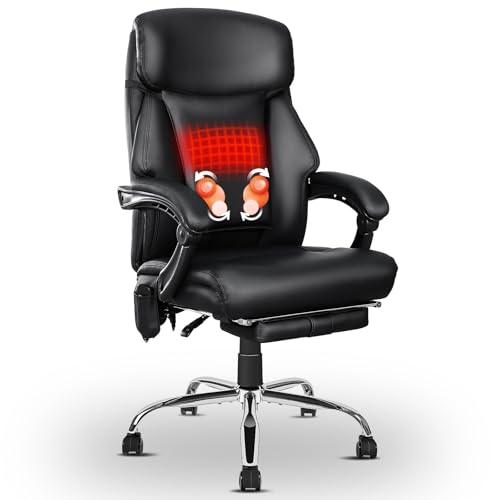
This guide covers how leg and calf pain develops, which massage chair features effectively address it, and how to evaluate chairs for these specific needs.

Table of Contents
Understanding Leg and Calf Pain
Common Causes of Calf Pain
For more information, check out our guide on Best Massage Chairs for Lower Back Pain.
Muscle fatigue is the most common cause of calf discomfort. Walking, running, climbing stairs, and simply standing all work the calf muscles. Athletic activities stress the calves significantly—running and jumping create repetitive loading that accumulates into fatigue and tightness.
Prolonged sitting creates a different type of calf problem. Blood pools in the lower legs when you're sedentary, contributing to achiness and heaviness that isn't the same as exercise-induced fatigue but is equally uncomfortable. The reduced circulation from sitting affects how the calves feel and function.
Tight Achilles tendons connect to calf tightness. When the Achilles becomes tight or irritated, it affects the entire calf complex. This is common in runners and in people who wear heels or spend time on their feet.
Muscle cramps—sudden, painful contractions—often affect the calves. While massage can't always prevent cramps, maintaining flexible, well-circulated calf muscles may reduce their frequency and severity.
Common Causes of Upper Leg Pain
Quadriceps fatigue develops from climbing, squatting, and any activity that requires leg extension. The front of the thigh does significant work during daily activities and is heavily stressed during exercise involving jumping, running, or resistance training.
Hamstring tightness is nearly universal among people who sit regularly. The seated position keeps hamstrings in a shortened position, and they adapt by becoming chronically tight. This tightness affects flexibility and can contribute to lower back pain.
IT band issues create pain along the outer thigh. This band of connective tissue runs from hip to knee and becomes problematic for runners, cyclists, and people who do repetitive leg activities.
Hip flexor tightness from sitting can radiate symptoms into the upper leg. When the hip flexors are chronically shortened, they create tension patterns that extend down into the thigh.
Circulation and Swelling Issues
Poor circulation contributes to leg discomfort independent of muscle issues. When blood doesn't flow efficiently through the legs, they feel heavy, achy, and fatigued. This is particularly common in people who sit or stand for extended periods.
Swelling in the lower legs can accompany circulation problems. While massage can help with mild circulatory issues, significant swelling should be evaluated medically before assuming massage chair use is appropriate.
Key Massage Chair Features for Leg and Calf Relief
Comprehensive Calf Massage
The most critical feature for calf problems is effective calf massage. This typically comes from airbag compression that wraps around the calves and squeezes rhythmically. Quality calf compression uses multiple air cells that create wave-like patterns rather than simple uniform squeezing.
Look for adjustable intensity in the calf massage. Sensitive or recently exercised calves may need gentler treatment, while chronic tightness might benefit from more aggressive compression. The ability to dial in appropriate pressure helps you get effective treatment without discomfort.
Calf rest positioning matters. Adjustable leg rest length ensures the massage mechanisms actually contact your calves regardless of your height. If the airbags miss your calves due to improper positioning, the feature provides no benefit.
Foot Rollers and Massage
Foot massage addresses the lower end of the calf complex. The plantar fascia and the muscles of the foot connect to the calf muscles and Achilles tendon. Treating the feet helps relax tension that extends up into the calves.
Roller-based foot massage provides more intensive treatment than airbags alone. Quality foot rollers work the arches and heels, addressing reflexology points and physically kneading the foot muscles. Combined with calf compression, comprehensive foot-calf treatment addresses the entire lower leg complex.
Thigh and Upper Leg Coverage
Not all massage chairs address the upper legs effectively. Some provide minimal thigh massage; others include substantial coverage. If your leg pain involves the quadriceps, hamstrings, or IT band, evaluate upper leg features specifically.
Airbag compression for the thighs provides upper leg treatment on chairs that include this feature. The compression helps with circulation and provides some muscle work, though it's generally less intensive than what's available for calves.
L-track chairs that extend roller coverage under the seat can work the upper hamstrings and glutes. While this isn't thigh massage per se, addressing these connected muscles helps with overall leg comfort and function.
Heat for the Legs
Heat in the leg rest area significantly enhances leg massage effectiveness. Heat increases blood flow, relaxes muscles, and provides immediate comfort. For chronic calf or leg tightness, the combination of heat and compression provides better relief than either alone.
Not all chairs include leg heat—many only have lumbar heating. If leg problems are your primary concern, specifically check for calf or leg rest heat features.
Intensity and Program Control
Adjustable intensity matters because leg sensitivity varies widely. Some people need firm compression; others find high intensity uncomfortable. Multiple intensity levels let you dial in effective treatment.
Zone programs that allow you to focus treatment on the legs rather than running full-body programs provide more therapeutic benefit for leg-specific issues. If you can concentrate 15-20 minutes of massage solely on your legs, you'll get more benefit than brief leg attention during a full-body cycle.
Circulation-Focused Programs
Some massage chairs include programs specifically designed to promote circulation. These typically use rhythmic compression patterns that simulate the pumping action muscles provide during movement. For circulation-related leg discomfort, these programs provide targeted benefit.
Using Your Massage Chair for Leg and Calf Relief
For more information, check out our guide on Best Massage Chairs for Sciatica.
Post-Exercise Recovery
Using leg massage within an hour or two of exercise helps clear metabolic waste and reduces next-day soreness. The compression promotes blood flow that delivers nutrients for repair while flushing out the byproducts that contribute to DOMS (delayed onset muscle soreness).
After running, hiking, or leg-intensive exercise, focus on the calves and feet. These areas take the most impact and typically need the most attention. If your workout also stressed the thighs, include time for that area as well.
Addressing Chronic Tightness
Chronic calf tightness from desk work or habitual patterns requires consistent treatment. Daily massage sessions—even brief ones—provide more benefit than occasional longer sessions. The goal is maintaining flexibility rather than trying to restore it from scratch repeatedly.
Pair massage chair use with stretching. Massage loosens the muscles; stretching maintains length. The combination is more effective than either approach alone.
Circulation Support
If circulation problems contribute to your leg discomfort, timing matters. Use leg massage after extended sitting or standing to counteract the effects of inactivity. A session after work addresses the circulation stagnation that built up during the day.
Elevation in zero gravity or reclined positions combined with compression helps with circulation issues. The position promotes blood return while the compression actively moves fluid through the legs.
Before Bed
Evening leg massage can help prevent nighttime cramps and restless legs. The relaxation and circulation benefits of massage before bed may improve sleep quality for people whose legs bother them at night.
Intensity Progression
Start at moderate intensity and increase based on response. Very tight calves may feel uncomfortable with high intensity initially. As the muscles relax over several sessions, you may find you can tolerate and benefit from more intensive treatment.
Evaluating Chairs for Leg and Calf Needs
Testing Calf Coverage
Sit in any chair you're considering and specifically evaluate how well the calf massage works for you. Does the compression actually contact your calves? Is the pressure adequate? Can you feel actual therapeutic benefit, or does the massage feel superficial?
Different chairs fit different leg lengths. What works perfectly for someone with average legs may miss the calves of someone shorter or taller. Testing for your specific proportions is essential.
Adjustability Assessment
Evaluate the leg rest length adjustment. Can you position the calf massage where you need it? Does the adjustment have enough range for your leg length? Limited adjustability can mean the massage mechanisms don't properly contact your legs.
Foot Roller Testing
Test the foot rollers for intensity and coverage. Do they reach your arches effectively? Is the rolling action therapeutic or merely tickling? Foot massage quality varies significantly between chairs.
Heat Verification
For more information, check out our guide on Best Massage Chairs for Chronic Pain.
If heat is important to you, verify that the chair actually heats the leg area, not just the back. Turn on the heat features and feel where warmth actually reaches. Some chairs claim heat features that don't extend to the legs.
Program Flexibility
Check whether you can run leg-focused programs or only full-body programs. For leg-specific needs, the ability to concentrate treatment on the legs provides significantly more benefit than brief leg attention during full-body cycles.
Specific Condition Considerations
Athletic Recovery
Athletes need intensive calf treatment. Look for maximum compression intensity that can work through conditioned muscle tissue. Heat enhances recovery by promoting blood flow that delivers nutrients for repair.
Desk Work Related Issues
Desk workers need circulation support more than intensive muscle work. Moderate compression with rhythmic circulation programs addresses the stagnation that sitting creates. Heat helps with the achiness that poor circulation causes.
Standing Work Issues
People who stand for work experience different leg stress than desk workers. The calves work continuously while standing, creating muscle fatigue. Compression and heat address this fatigue, and elevation helps with the fluid accumulation that standing promotes.
Nerve-Related Issues
Leg symptoms from nerve problems—sciatica, peripheral neuropathy—may or may not respond to massage. Massage can help with the muscle tension that often accompanies nerve issues, but can't treat the nerve problems themselves. If your leg symptoms have neurological causes, consult with healthcare providers about whether massage chair use is appropriate.
Budget Considerations
Quality massage chairs with comprehensive leg massage typically cost $2,000-5,000. Chairs at the lower end of this range may have adequate calf massage but limited thigh coverage or missing leg heat. Higher-end chairs typically provide more comprehensive leg treatment.
If leg and calf relief is your primary need, prioritize chairs with the best leg features even if their back massage is less impressive. A chair that excellently addresses your actual problem areas is better than one with impressive back features that doesn't serve your legs well.
What to Avoid
Don't buy chairs with minimal leg coverage if leg relief is your primary goal. Some chairs focus almost entirely on back massage with token leg features. These won't serve your needs.
Avoid chairs with non-adjustable leg rests if your proportions are unusual. Fixed positioning may mean the massage mechanisms miss your legs entirely.
Be cautious of chairs without heat if warmth is important for your relief. Adding heating pads externally is inconvenient compared to built-in heating.
Conclusion
Leg and calf pain responds well to massage when the right features are present. Comprehensive calf compression, quality foot massage, adjustable intensity, and heat in the leg area provide effective treatment for most leg complaints. Test chairs specifically on leg features before purchasing, prioritize leg coverage over other capabilities if that's your primary need, and commit to consistent use for best results. The right massage chair can transform chronic leg discomfort into a manageable condition and support recovery from exercise-induced fatigue that would otherwise limit your activities.
For more information, check out our guide on Massage Chairs for Chronic Pain Management.