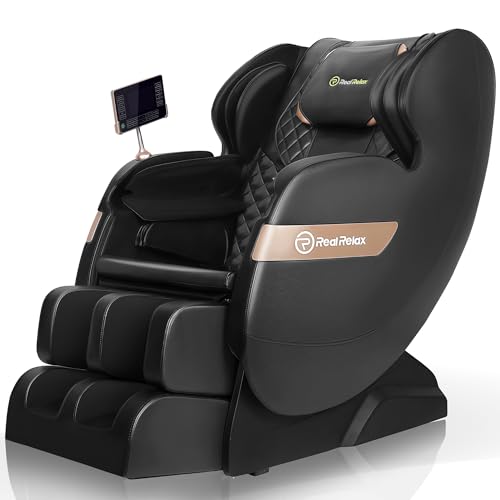
Hip pain limits daily life in ways that many other pains don't. Every step, every time you sit down or stand up, every movement involves the hips. Whether you're dealing with arthritis, muscle tension, bursitis, or the chronic tightness that develops from sitting or athletic activities, the right massage chair can provide significant relief. Understanding which features effectively target hip problems helps you invest in equipment that actually addresses your pain rather than missing the areas that need attention.


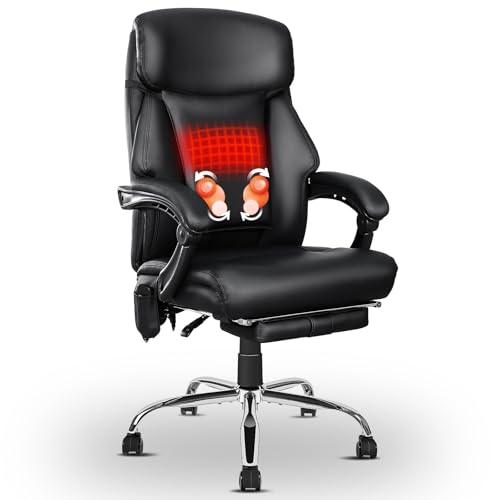
This guide covers how hip pain develops, which massage chair features address it, and how to evaluate chairs for hip-specific needs.

Table of Contents
Understanding Hip Pain
Common Causes of Hip Pain
For more information, check out our guide on Best Massage Chairs for Lower Back Pain.
Osteoarthritis is one of the most common causes of hip pain, particularly in people over 50. The cartilage protecting the hip joint wears down over time, creating bone-on-bone friction that causes pain and stiffness. While massage can't restore cartilage, it can address the muscle tension that develops around arthritic joints.
Hip bursitis involves inflammation of the fluid-filled sacs that cushion the hip joint. The greater trochanteric bursa on the outside of the hip is commonly affected, causing pain that radiates down the outer thigh. Massage may help with the muscle tension associated with bursitis but doesn't directly treat the inflammation.
Muscle tension and imbalance create significant hip pain. The muscles surrounding the hip—glutes, hip flexors, piriformis, tensor fasciae latae—can become chronically tight from sitting, athletic activities, or postural patterns. This muscular hip pain responds well to massage.
IT band syndrome creates pain along the outer hip and thigh. The iliotibial band becomes tight and creates friction, particularly in runners and cyclists. The muscles that attach to the IT band respond to massage even though the band itself may not.
Piriformis syndrome involves the piriformis muscle in the buttock irritating the sciatic nerve, creating pain that may radiate down the leg. Massage of the piriformis and surrounding glute muscles can provide significant relief.
How Hip Pain Develops
The modern lifestyle contributes heavily to hip problems. Prolonged sitting shortens the hip flexors and weakens the glutes, creating an imbalance that affects the entire hip complex. Even active people often sit for most of their waking hours, developing the same patterns.
Athletic activities create different hip stress. Running, cycling, and sports that involve lateral movement or rotation all stress the hips. The cumulative effect of repetitive movement can lead to overuse issues.
Aging naturally affects hip health. Cartilage wears, muscles lose strength and flexibility, and the hip becomes more vulnerable to both injury and chronic pain. Supporting hip health becomes more important with age.
Key Massage Chair Features for Hip Pain
L-Track Roller Coverage
This is the most critical feature for hip pain. Standard S-track massage chairs only cover the back, stopping at the waist. The rollers never touch the glutes or hip muscles—the exact areas that often cause or contribute to hip pain.
L-track designs extend the roller path under the seat to work on the glutes and upper hamstrings. This extended coverage directly addresses the piriformis, gluteus maximus, and other muscles that affect hip health. For hip pain sufferers, L-track is essential rather than optional.
Test any L-track chair specifically on your hip area. Feel whether the rollers reach the muscles around your hip and whether the pressure feels therapeutic. Coverage quality varies between L-track chairs.
Hip Airbag Compression
Airbags positioned around the hips and outer thighs address areas that rollers can't effectively reach. Compression of the outer hip works the tensor fasciae latae and helps with IT band-related issues. Hip compression from the sides applies pressure to the greater trochanter area that rollers can't access.
Look for chairs with dedicated hip airbag systems rather than just seat airbags. The compression should specifically target the hip area, not just provide general seat pressure.
Adjustable hip compression intensity matters because hip sensitivity varies. Some people need firm compression; others find high intensity uncomfortable over sensitive areas.
Heat in the Hip Area
Heat increases blood flow and relaxes muscles, making it particularly valuable for chronic hip tension. Look for chairs with seat heat that warms the glutes and hip area. The combination of heat and mechanical massage provides better relief than massage alone for most hip issues.
Heat may help with some forms of hip bursitis by promoting blood flow, though the inflammatory nature of bursitis means heat isn't always appropriate. If you have bursitis, consult with a healthcare provider about whether heat is beneficial for your specific situation.
Hip Twist Features
Some massage chairs include features that gently twist or rotate the hips. This motion helps maintain hip mobility and can provide relief from the stiffness that sitting creates. For hip problems related to restricted movement, these twisting features add value beyond standard massage.
Zero Gravity Positioning
Zero gravity recline takes pressure off the hip joints by distributing weight differently than seated positions. For arthritis or conditions where joint loading causes pain, this positioning provides relief during the massage session. Combined with L-track massage, zero gravity allows hip work without the joint compression of seated positions.
How Massage Helps Hip Pain
Addressing Muscle Tension
Much hip pain involves muscle tension—either as the primary problem or as a secondary effect of joint issues. When the hip joint is painful, surrounding muscles guard and tighten to protect it. This protective tension itself becomes painful and can persist even after the original issue resolves.
Massage of the glutes, piriformis, and hip flexor complex releases this muscular component of hip pain. Even when the underlying cause is arthritis or bursitis, addressing muscle tension often provides meaningful relief.
Improving Circulation
For more information, check out our guide on Best Massage Chairs for Sciatica.
Increased blood flow from massage delivers nutrients and removes waste products from the hip region. This enhanced circulation supports healing and reduces the stagnation that can contribute to pain and stiffness.
Maintaining Mobility
Tight hip muscles restrict movement, and restricted movement allows muscles to become tighter. This cycle progressively reduces mobility. Regular massage helps break this cycle by maintaining muscle flexibility and the movement that prevents further tightening.
Using Your Massage Chair for Hip Pain
Session Frequency
Chronic hip pain responds better to frequent, consistent sessions than to occasional intensive treatment. Daily use—even brief sessions—provides more cumulative benefit than longer weekly sessions. The relief from massage is temporary; consistent use maintains that relief.
Focus on Hip-Specific Programs
If your chair allows you to focus treatment on the hip and lower body rather than only running full-body programs, use this capability. Concentrating 15-20 minutes of massage on your hips provides more therapeutic benefit than brief hip attention during a full-body cycle.
Optimal Timing
Morning sessions can help with the stiffness many hip pain sufferers experience upon waking. Evening sessions address the tension accumulated during the day. Experiment with timing to find what provides the most relief for your pattern.
Intensity Selection
Start at moderate intensity and adjust based on how your hips respond. Too much intensity on inflamed or irritated tissue can increase discomfort. Let your response guide intensity—the massage should feel therapeutic, not painful.
You may find different intensities appropriate on different days depending on your hip status. More painful days may benefit from gentler treatment; better days can handle deeper work.
Combining with Other Approaches
Massage chair sessions work best as part of a comprehensive approach. Stretching helps maintain the flexibility that massage improves. Strengthening exercises address the muscle weakness that often accompanies hip problems. Medical treatment—whether physical therapy, medication, or joint injections—may be necessary alongside massage.
Evaluating Chairs for Hip Needs
Testing L-Track Coverage
Sit in any chair you're considering and specifically evaluate how well it works your hips. Do the rollers actually reach your glutes and the muscles around your hip? Does the coverage feel adequate, or does it barely touch the hip area? L-track quality varies—some chairs provide excellent hip coverage while others offer minimal glute contact.
Hip Airbag Assessment
For more information, check out our guide on Best Massage Chairs for Chronic Pain.
Test the hip airbag compression. Does it actually squeeze your hips, or does it mostly miss the target? Can you adjust intensity to a level that feels therapeutic? Some chairs advertise hip compression but provide inadequate coverage.
Heat Verification
If heat is important for your hip relief, verify that the chair actually heats the hip area. Some chairs only have lumbar heat that doesn't extend to the seat. Turn on heat features and confirm warmth reaches your hips.
Position Testing
Test zero gravity position if hip joint pressure is a concern. Does the position feel comfortable and does it relieve joint loading? Does L-track massage still effectively reach your hips in the reclined position?
Specific Hip Conditions
Hip Arthritis
Massage can't restore cartilage or cure arthritis, but it can address the muscle tension that develops around arthritic joints. Focus on gentle-to-moderate intensity massage of the surrounding muscles. Heat may help with stiffness. Zero gravity positioning reduces joint loading during sessions.
Piriformis Syndrome
L-track massage that works the glutes directly addresses piriformis issues. The piriformis muscle runs through the gluteal region, and massage can help release the tension that irritates the sciatic nerve. Some people experience immediate relief; others need consistent treatment over weeks.
IT Band Issues
While the IT band itself doesn't respond well to direct massage (it's connective tissue, not muscle), the muscles that attach to it do. L-track glute massage plus hip airbag compression addresses the tensor fasciae latae and gluteus maximus that influence IT band tension.
Hip Bursitis
Bursitis involves inflammation, and inflamed tissues may not tolerate aggressive massage. Gentle massage of surrounding muscles may help, but avoid direct pressure on inflamed bursae. Consult with a healthcare provider about appropriate treatment intensity.
Budget Considerations
Quality massage chairs with L-track coverage and hip compression typically cost $2,500-5,000. Cheaper chairs often have inadequate hip coverage—either S-track only or minimal L-track extension. For hip pain specifically, the L-track feature is worth prioritizing over other capabilities.
Consider the investment against alternatives. Regular physical therapy or professional massage for hip issues costs significant money over time. A quality chair providing daily treatment often proves more cost-effective.
What to Avoid
Don't buy S-track chairs if hip pain is your primary concern. These chairs don't massage the hip area at all, regardless of other features.
Avoid chairs with minimal hip coverage even if they're technically L-track. Test to confirm the coverage actually reaches your problem areas.
Don't expect massage to cure structural hip problems. Massage helps with muscles; it doesn't repair joints. Maintain realistic expectations about what massage can accomplish.
Conclusion
Hip pain responds well to massage when the right areas are actually reached. L-track roller coverage that extends to the glutes, hip airbag compression, seat heat, and zero gravity positioning together provide comprehensive hip treatment. Test chairs specifically on your hip area before purchasing, prioritize L-track coverage above other features, and commit to consistent daily use for best results. While massage can't cure joint disease, it can meaningfully address the muscle tension component of hip pain that contributes to so much daily discomfort.
For more information, check out our guide on Massage Chairs for Chronic Pain Management.