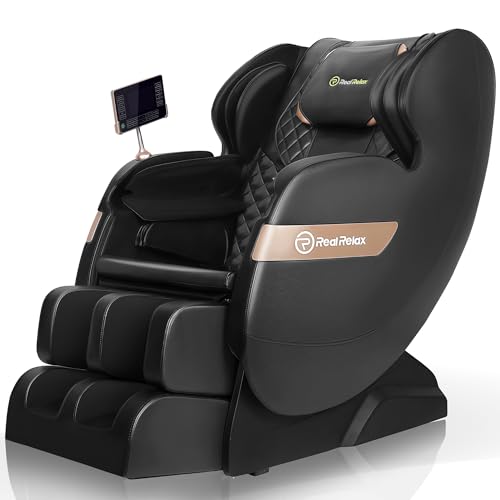
Post-traumatic stress disorder (PTSD) creates complex relationships with physical sensation and relaxation. While massage therapy can be beneficial for some PTSD sufferers, it requires careful approach. Massage chairs offer controllable, predictable experiences that some find safer than human-delivered massage. Understanding how to choose and use massage chairs for trauma recovery helps those with PTSD potentially access massage benefits safely.


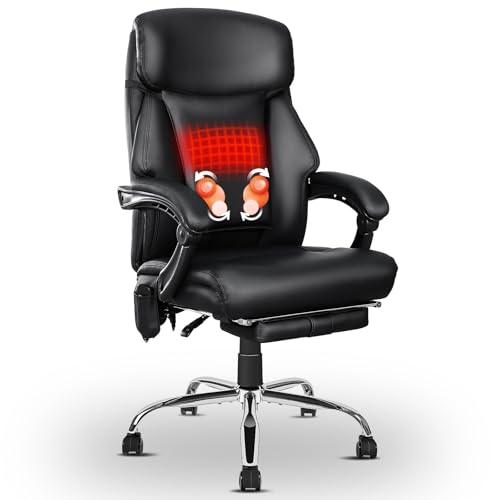
The relationship between PTSD and touch is complicated. Trauma often disrupts the body sense of safety. Some PTSD sufferers find touch grounding and healing, while others find it triggering. The controlled nature of massage chairs, where you determine exactly what happens and can stop instantly, may make them more accessible than unpredictable human touch.

Table of Contents
Understanding PTSD and Massage
Several factors make massage potentially valuable for PTSD while also requiring caution:
Hypervigilance: PTSD often includes constant alertness that exhausts the nervous system. Massage may help activate relaxation responses, but feeling trapped or vulnerable during massage can increase rather than decrease hypervigilance.
Body Disconnection: Many trauma survivors disconnect from physical sensation. Gentle massage may help restore positive body awareness, but overwhelming sensation can reinforce disconnection.
For more information, check out our guide on Best Massage Chairs for Post-Surgery Recovery.
Trigger Management: Certain positions, sensations, or loss of control can trigger trauma responses. Massage chairs allow complete control, which may feel safer than human-delivered massage.
Polyvagal Response: Massage can help regulate the vagus nerve, potentially reducing trauma symptoms over time. However, this requires feeling safe during the experience.
Top Massage Chairs for Trauma-Informed Use
1. Human Touch Super Novo for Control and Gentleness
The Human Touch Super Novo provides exceptional control over every aspect of the massage experience. Intensity can be adjusted to barely perceptible levels, allowing trauma survivors to find their comfort zone without overwhelming sensation.
Cloud Touch technology offers gentle, enveloping massage rather than the poking or jabbing that might feel intrusive or triggering. The experience feels nurturing rather than clinical or aggressive.
Easy-to-reach controls allow instant stopping or adjustment. For PTSD, knowing you can immediately end or change the experience is essential for feeling safe enough to relax.
You might also find helpful: Massage Chairs for Specific Sports and Athletic Recovery.
2. Osaki OS-Pro Soho for Gradual Introduction
The Osaki OS-Pro Soho 4D system allows extremely gradual intensity introduction. The lowest settings provide subtle sensation that may be tolerable even for highly sensitive trauma survivors, with the ability to slowly increase as comfort develops.
Zone control means you can massage only areas that feel safe while avoiding areas that might be triggering. Building positive experiences area by area may help expand tolerance over time.
The predictable, repeatable nature of programmed massage creates safety through familiarity. Once you know exactly what a program does, its predictability becomes reassuring.
3. Human Touch WholeBody 7.1 for Normalcy
The Human Touch WholeBody 7.1 looks like ordinary furniture rather than medical equipment. For trauma survivors who feel stigmatized or uncomfortable with visible therapeutic devices, this normalization matters.
The FlexGlide orbital massage provides smooth, flowing sensation without sudden movements that might startle. Predictable motion helps maintain the sense of safety essential for relaxation.
Related reading: Massage Chairs for Recovery After Surgery: What to Know.
The option to use the chair as a regular recliner without massage allows building comfort with the physical position before adding massage sensation. This gradual approach respects trauma recovery pacing.
Trauma-Informed Massage Chair Use
Start with Control
Before using massage, practice operating all controls. Know exactly how to stop, pause, and adjust. This knowledge creates safety even before massage begins.
Begin Extremely Gently
Start with the lowest possible intensity, even if it seems too light. Building positive associations at comfortable levels is more valuable than pushing boundaries prematurely.
Keep Eyes Open
Some trauma survivors feel safer with eyes open during massage. There is no requirement to close your eyes. Stay present and aware in whatever way feels right.
Maintain Orientation
Keep something grounding nearby: a pet, a view outside, a familiar object. If dissociation occurs, these anchors help return to present awareness.
See also: Best Massage Chairs for Muscle Recovery and DOMS.
Respect Reactions
If a trauma response occurs, stop massage immediately. There is no failure in stopping. The chair will be there when you are ready to try again.
Important Safety Considerations
- Work with a trauma-informed therapist when integrating massage into recovery
- Never push through triggering experiences, as this reinforces trauma rather than healing it
- Recognize that some trauma survivors may never find massage comfortable, and this is valid
- Progress may be non-linear with setbacks that are a normal part of trauma recovery
- Consider having a support person available, especially during early use
Frequently Asked Questions
Is massage safe for PTSD?
It depends on the individual. Some PTSD sufferers find massage helpful; others find it triggering. Work with a trauma-informed professional to determine appropriateness for your situation.
What if massage triggers a flashback?
Stop immediately and use grounding techniques you have developed with your therapist. The experience provides information about your triggers that can inform future approaches.
How long before I might see benefits?
Trauma recovery is highly individual. Some people notice relaxation benefits quickly; others take months to build enough safety for meaningful relaxation. Do not compare your progress to others.
Conclusion
Massage chairs may offer trauma survivors controllable access to massage benefits. The Human Touch Super Novo provides ultimate control and gentleness. The Osaki OS-Pro Soho allows gradual introduction with zone control. The Human Touch WholeBody 7.1 normalizes the experience in furniture form. Always work with trauma-informed professionals when integrating massage into PTSD recovery.