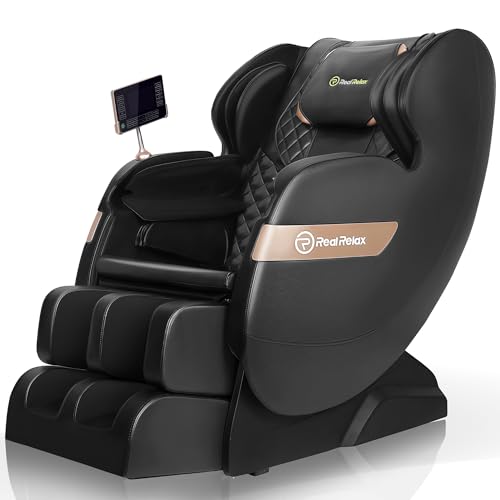
Recovery after surgery involves managing pain, preventing complications, and gradually returning to normal function. Massage can support this recovery process, but timing and approach matter significantly—what helps during certain recovery phases could be harmful during others. A massage chair provides controlled, consistent massage that can support post-surgical recovery when used appropriately and with medical guidance.


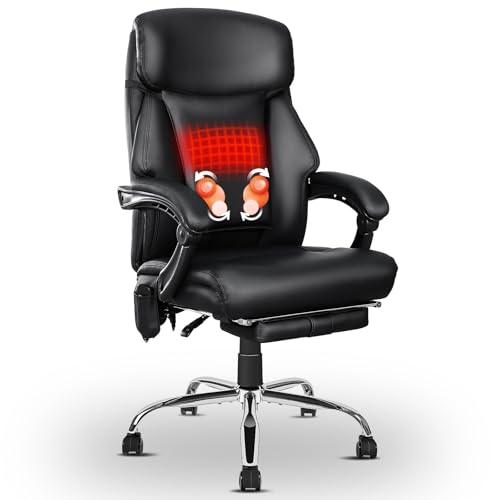
This guide covers how massage chairs can assist surgical recovery, critical timing considerations, and essential precautions that keep recovery safe and effective.
Table of Contents
Understanding Post-Surgical Recovery
Phases of Healing
For more information, check out our guide on Best Massage Chairs for Lower Back Pain.
Surgical recovery follows predictable phases. The inflammatory phase (first few days) involves swelling and initial wound healing—massage is typically contraindicated during this acute period. The proliferative phase (days to weeks) involves tissue repair and collagen formation. The remodeling phase (weeks to months) involves maturation and strengthening of healed tissue.
When and how massage is appropriate depends on which phase you're in, what type of surgery you had, and your surgeon's specific guidance. There are no universal timelines—every surgery and every patient differs.
Common Post-Surgical Issues
Pain is the most obvious post-surgical challenge, managed through medications, positioning, and gradual activity. Muscle tension develops as the body guards the surgical site and compensates for limited movement. Reduced mobility during recovery can cause stiffness throughout the body, not just the surgical area.
Circulation concerns become significant with extended bed rest or limited activity. Poor circulation can lead to swelling, blood pooling, and in serious cases, blood clots. Constipation often results from pain medications, reduced activity, and surgical effects on the digestive system.
Stress and anxiety commonly accompany surgical recovery. The uncertainty, discomfort, and dependence on others creates psychological burden that can affect physical healing.
How Massage Chairs Can Help Recovery
Pain Management Support
Massage activates sensory pathways that can reduce pain perception through gate control mechanisms. While not replacing pain medication, massage can reduce overall pain levels and may help reduce reliance on medications as recovery progresses.
The ability to receive consistent, daily massage at home provides ongoing pain management support that would be impractical and expensive to obtain through professional massage therapy during the extended recovery period.
Circulation Enhancement
For patients with mobility limitations, massage promotes circulation that might otherwise be compromised. The mechanical action of massage moves blood through tissues, reducing swelling and delivering oxygen and nutrients that support healing.
Compression massage of the legs, in particular, supports venous return and can help prevent the circulation complications associated with reduced activity. This benefit is especially valuable for patients who can't move around as much as they normally would.
Muscle Tension Relief
Surgery creates muscle tension in multiple ways. Surgical positioning (lying on an operating table for hours) can strain muscles unrelated to the surgery itself. Guarding behavior tenses muscles around the surgical site. Compensatory movements stress muscles adapting to temporary limitations.
Massage addresses this secondary muscle tension, improving comfort even when the surgical site itself shouldn't be directly treated.
Sleep Improvement
Sleep is essential for healing, yet many surgical patients struggle with sleep due to pain, discomfort, and stress. Massage promotes relaxation and can improve sleep quality, creating better conditions for recovery.
Psychological Benefits
The relaxation response from massage reduces stress hormones and promotes mental well-being. For patients feeling frustrated, anxious, or depressed during recovery, massage provides emotional relief alongside physical benefits.
Critical Timing and Precautions
Immediate Post-Operative Period
Do NOT use a massage chair in the immediate post-operative period without explicit clearance from your surgeon. The first days after surgery are typically contraindicated for massage. Risk of disturbing surgical sites, increasing bleeding, or interfering with initial healing is highest during this time.
Even areas far from the surgical site may be affected by positioning during surgery or medication effects. Wait for medical clearance before any massage chair use.
Surgical Site Avoidance
Even when cleared for massage chair use, avoid direct massage over or near surgical sites until fully healed. Internal healing takes longer than surface healing—a closed incision doesn't mean underlying tissues are ready for pressure.
Position yourself in the chair to avoid roller contact with surgical areas. If your surgery was on your back, you may not be able to use back massage at all initially. Plan your massage chair use around surgical site location.
Blood Clot Risk
Some surgeries carry elevated blood clot (deep vein thrombosis) risk, particularly hip and knee replacements, abdominal surgeries, and any procedure requiring extended immobility. Massage of the legs in the presence of a blood clot can dislodge it, causing potentially fatal pulmonary embolism.
If you're at elevated clot risk, do not use leg massage features until cleared by your medical team. This precaution is critical—the consequences of massaging a leg with an undetected clot can be severe.
Medication Interactions
Blood thinners make tissues more susceptible to bruising from massage. Pain medications may mask sensations that would otherwise tell you massage is too intense. Muscle relaxants already relax muscles, potentially making additional relaxation excessive.
Inform your healthcare provider about your massage chair use plans so they can advise on any medication-related precautions.
Obtaining Medical Clearance
For more information, check out our guide on Best Zero Gravity Massage Chairs.
Before using your massage chair during surgical recovery, get explicit approval from your surgeon or medical team. Don't assume—ask specifically. Questions to address include: When can I use a massage chair? Are there areas I should avoid? What intensity level is safe? Are there any concerns with my specific situation?
Get these questions answered before your surgery if possible, so you know what to expect during recovery.
Surgery-Specific Considerations
Orthopedic Surgery
Hip and knee replacements require particular caution. Joint protection protocols limit certain movements and positions. Blood clot risk is elevated. Consult your orthopedic surgeon and physical therapist about if and when massage chair use is appropriate.
Back surgery patients may not be able to use back massage features for extended periods. Spinal fusion, disc surgery, and other back procedures require spine protection during healing. Leg and arm massage may be fine while back massage isn't—your surgeon can clarify.
Abdominal Surgery
Abdominal procedures require protecting the surgical area from pressure. Back massage may be comfortable and safe, but abdominal compression should be avoided. Zero gravity positioning might be comfortable or contraindicated depending on your specific procedure—ask your surgeon.
Cardiac Surgery
Heart surgery requires careful consideration of circulation effects. While gentle massage may eventually be beneficial, the cardiovascular implications of massage need medical evaluation. Blood pressure effects, heart rate changes, and circulation dynamics all warrant medical guidance.
Cancer Surgery
Cancer surgery and treatment (particularly lymph node removal) may require modified massage approaches. Lymphedema risk may affect what areas can safely receive massage. Consult with your oncology team about massage during cancer recovery.
Recommended Approach During Recovery
Gradual Reintroduction
Once cleared, start with minimal intensity and short sessions. Your body has been through significant stress; even areas unaffected by surgery may be more sensitive than usual. Begin with 10-15 minutes at low intensity and observe how you respond.
Focus on Unaffected Areas
Target massage to areas away from your surgical site where tension and discomfort have developed. If your knee was operated on, upper body massage can address the shoulder and back tension from crutch use. If your abdomen was the surgical site, leg circulation massage may be most beneficial.
Progress with Healing
As you heal and receive ongoing medical clearance, you can gradually increase massage intensity and include more areas. Follow your surgeon's timeline for activity progression—massage reintroduction can parallel other activity resumption.
Listen to Your Body
Pain is information. If massage increases pain, causes discomfort near the surgical site, or produces any concerning symptoms, stop and consult your healthcare provider. Normal post-massage sensations differ from warning signs—learn the difference and err on the side of caution.
Specific Chair Features for Recovery
Intensity Control
Fine-grained intensity adjustment lets you find the gentle level appropriate for recovery. Chairs with limited intensity options may not be gentle enough for post-surgical sensitivity.
Zone Selection
For more information, check out our guide on Best Massage Chairs with Heating.
The ability to massage specific areas while avoiding others is essential for surgical recovery. If you need to avoid your lower back, you need to be able to exclude that area while still receiving shoulder and leg massage.
Recline Options
Different surgical recoveries require different positions. Some patients can't recline fully; others find recline essential for comfort. Multiple position options accommodate various surgical restrictions.
Ease of Entry/Exit
Getting into and out of the chair may be challenging during recovery. Consider chair design, seat height, and any obstacles to entry when you have surgical limitations affecting your mobility.
Heat Therapy
Heat can help with muscle relaxation and comfort during recovery. Verify whether heat is appropriate for your specific surgical recovery—some conditions respond better to cold.
Complementary Recovery Practices
Physical Therapy
Follow your physical therapy program. Massage complements PT but doesn't replace prescribed exercises and stretches. Your physical therapist can also advise on massage appropriateness and timing.
Movement and Activity
Stay as active as your recovery permits. Early mobility is associated with better outcomes for most surgeries. Massage supports recovery but isn't a substitute for appropriate movement.
Nutrition and Hydration
Your body needs resources for healing. Adequate protein, vitamins, and hydration support tissue repair. These fundamentals matter more than any massage routine.
What to Avoid
Self-Prescribing
Don't decide on your own when massage is safe. Medical guidance is essential for post-surgical massage. The risks of inappropriate timing or technique are too significant for guesswork.
Rushing Progress
Impatience with recovery can lead to setbacks. Progress massage intensity and coverage gradually, aligned with your overall healing timeline. Pushing too fast can complicate recovery.
Ignoring Warning Signs
Increased pain, swelling, redness, warmth, or any concerning symptoms warrant immediate medical attention. Don't dismiss warning signs or push through problems.
Long-Term Recovery Support
Once initial surgical recovery is complete, your massage chair becomes a long-term asset for maintaining the function and comfort you've recovered. Regular massage supports ongoing muscle health, circulation, and stress management that keep you functioning well.
Many surgical patients find that regular massage helps prevent the return of tension patterns that may have contributed to their original problem. The chair that supported your recovery continues to support your health.
Conclusion
Massage chairs can meaningfully support surgical recovery through pain management, circulation enhancement, muscle tension relief, and stress reduction. However, timing is critical—the immediate post-operative period is typically contraindicated, and medical clearance is essential before any massage chair use. Avoid surgical sites until fully healed, be aware of blood clot risks with leg massage, and progress gradually as healing permits. Work closely with your surgical team to determine when and how massage chair use is appropriate for your specific situation. Used appropriately and with proper medical guidance, a massage chair can be a valuable tool for comfortable, effective surgical recovery.
For more information, check out our guide on Best Massage Chair for Post Surgery Recovery.