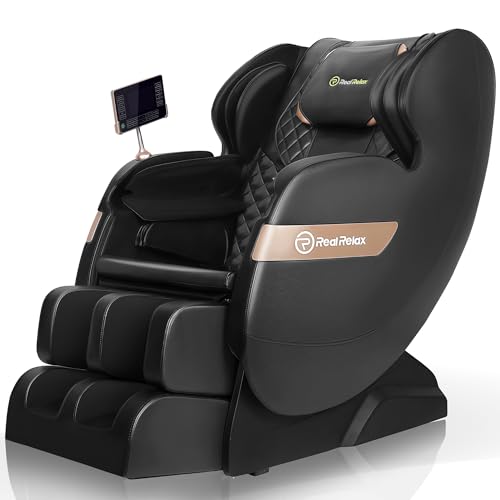
Foot pain and plantar fasciitis affect millions of people, creating discomfort that limits mobility and diminishes quality of life. The stabbing heel pain of plantar fasciitis, the aching arches after a long day, the general foot fatigue from standing or walking—these problems respond to targeted massage treatment. A massage chair with quality foot massage features can provide daily relief that helps manage foot pain and supports recovery from plantar fasciitis alongside other treatments.


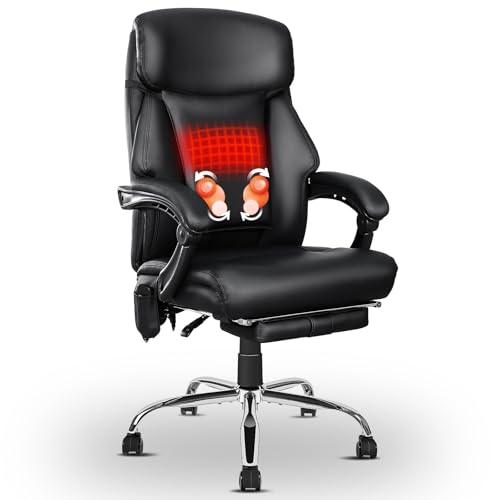
This guide covers how foot pain develops, which massage chair features effectively address it, and how to evaluate chairs for foot-specific needs.

Table of Contents
Understanding Foot Pain and Plantar Fasciitis
What Plantar Fasciitis Is
For more information, check out our guide on Best Massage Chairs with Air Compression.
Plantar fasciitis involves inflammation of the plantar fascia, the thick band of tissue running along the bottom of your foot connecting your heel to your toes. This tissue supports your arch and absorbs shock during walking and running. When it becomes irritated and inflamed, the result is typically stabbing pain in the heel, particularly with the first steps in the morning or after periods of rest.
The condition develops from repetitive stress on the plantar fascia—standing for long periods, running, walking on hard surfaces, or wearing shoes with inadequate support. Tight calf muscles and Achilles tendons contribute by increasing stress on the plantar fascia. Being overweight adds load that stresses the tissue further.
Other Common Causes of Foot Pain
General foot fatigue develops from standing or walking, particularly on hard surfaces. The muscles and tissues of the foot work constantly to maintain balance and absorb impact. By the end of a long day, this accumulated work creates achiness and discomfort.
Arch pain may indicate fallen arches or plantar fasciitis. The muscles supporting the arch fatigue and allow the arch to drop, creating strain and pain. High arches create different problems—the foot is rigid and doesn't absorb shock well.
Ball of foot pain (metatarsalgia) affects the area under the toe joints. This pain can develop from wearing high heels, running, or any activity that puts excessive pressure on the forefoot.
Heel spurs are bony growths on the heel bone that may develop alongside plantar fasciitis. While the spurs themselves often aren't the pain source, they indicate chronic inflammation in the area.
The Calf Connection
Tight calf muscles directly contribute to foot problems. The Achilles tendon connects the calf to the heel, and when calves are tight, they increase tension on the heel and plantar fascia. Addressing calf tightness is essential for managing plantar fasciitis and related foot issues.
Key Massage Chair Features for Foot Pain
Quality Foot Rollers
The most important feature for foot pain is quality roller massage of the soles. Foot rollers work the plantar fascia, arch muscles, and heel area through mechanical kneading. This direct work on foot tissue provides therapeutic benefit that compression alone can't match.
Look for rollers that cover the full length of the foot—from heel to ball. Some chairs have minimal foot rollers that only work a small area. Comprehensive roller coverage addresses the entire foot.
Roller intensity matters. For therapeutic effect on tough plantar fascia tissue, the rollers need to provide adequate pressure. Gentle, tickling rollers provide pleasant sensation but minimal therapeutic benefit. Test foot rollers for actual pressure on the sole.
Foot Airbag Compression
Airbags surrounding the foot provide compression that enhances circulation and creates a squeezing sensation that many find relieving. This compression works the sides and top of the foot where rollers can't reach.
The combination of roller and airbag massage addresses the foot more completely than either alone. Rollers work the sole; airbags compress the entire foot.
Calf Massage Capability
Because calf tightness contributes to foot problems, calf massage is nearly as important as foot massage for plantar fasciitis sufferers. Airbag compression for the calves addresses the muscle tension that increases plantar fascia stress.
Look for comprehensive calf coverage with multiple airbag chambers. Sequential compression patterns that move blood upward provide additional benefit beyond simple squeezing.
Heat for the Feet and Calves
Heat increases blood flow and relaxes tissues. For chronic plantar fasciitis and foot pain, warmth helps before and during massage. Look for chairs with heat in the leg rest area, particularly if heat extends to the calves.
Note that acute inflammation may respond better to cold than heat. If your plantar fasciitis is in an acute, swollen phase, consult with a healthcare provider about whether heat is appropriate.
Adjustable Intensity
Foot sensitivity varies significantly between people. Some need firm roller pressure to feel benefit; others find high intensity painful on already-sensitive feet. Adjustable intensity lets you find effective treatment without discomfort.
Your optimal intensity may change as your condition improves. What feels therapeutic when feet are healing may feel too intense once they're better—or you may be able to handle more intensity as tissue health improves.
Leg Rest Positioning
Adjustable leg rest length ensures the foot massage mechanisms actually contact your feet. If the leg rest is too long or too short for your proportions, the rollers and airbags miss their targets. Look for adequate adjustment range for your leg length.
How Massage Helps Foot Pain
Addressing Plantar Fascia Tension
Massage helps break up adhesions and increases flexibility in the plantar fascia. The mechanical kneading of foot rollers works directly on the tissue where plantar fasciitis creates pain. Regular massage can help the fascia maintain or regain flexibility.
Releasing Calf Tightness
For more information, check out our guide on Best Massage Chairs with Foot Massage.
By addressing calf tension, massage reduces the pull on the Achilles tendon and heel. This decreased tension takes stress off the plantar fascia, creating conditions more favorable for healing.
Improving Circulation
Increased blood flow delivers nutrients for tissue repair and removes inflammatory byproducts. For conditions involving tissue damage or inflammation, enhanced circulation supports healing.
Pain Relief
Massage stimulates sensory nerves in ways that can reduce pain perception. Many people experience immediate pain reduction during and after foot massage that, while temporary, provides meaningful relief.
Using Your Massage Chair for Foot Pain
Morning Sessions
Plantar fasciitis typically causes the worst pain with the first steps of the day because the fascia tightens overnight. A morning massage session—even a brief one—before getting out of bed can help loosen the tissue and reduce that initial pain.
If you can't massage before rising, sitting in your massage chair for foot work before walking extensively can help warm up the tissue.
After-Activity Relief
Standing, walking, or running stress the feet and plantar fascia. Using your massage chair after activities helps address the stress before it consolidates into worsening pain. Post-activity sessions are particularly important during active treatment of plantar fasciitis.
Evening Recovery
End-of-day sessions address the accumulated stress from daily activities. This recovery before bed helps prevent the overnight tightening that causes morning pain. Consider evening sessions part of your daily foot health routine.
Session Duration
Longer foot massage sessions provide more opportunity for tissue work. If foot pain is your primary concern, consider 15-20 minute sessions focused on feet and calves rather than brief foot attention during full-body programs.
Consistency Matters
Plantar fasciitis develops over time and takes time to resolve. Consistent daily massage provides more benefit than occasional intensive sessions. Think of massage chair use as ongoing maintenance rather than one-time treatment.
Complementary Treatments
Stretching
Massage works best alongside stretching. Calf stretches and plantar fascia stretches help maintain the flexibility that massage improves. Many physical therapists recommend stretching multiple times daily for plantar fasciitis.
Proper Footwear
Shoes with good arch support reduce stress on the plantar fascia. Avoid going barefoot on hard surfaces, and consider orthotic inserts if your arches need additional support. Massage can't overcome the damage from consistently poor footwear.
Ice for Acute Inflammation
For more information, check out our guide on Best Massage Chairs with Leg Massage.
When plantar fasciitis is acutely inflamed, ice may be more appropriate than heat. Rolling your foot on a frozen water bottle provides both cold therapy and massage. Use ice for acute flares; use heat and massage for chronic tightness.
Medical Treatment
Severe or persistent plantar fasciitis may require medical intervention—physical therapy, cortisone injections, or in rare cases surgery. Massage chairs complement but don't replace medical treatment when it's needed.
Evaluating Chairs for Foot Needs
Testing Foot Rollers
Sit in any chair you're considering and specifically evaluate the foot massage. Do the rollers reach your full foot from heel to ball? Is the pressure adequate to feel therapeutic? Do rollers hit your arches effectively? Foot roller quality varies significantly between chairs.
Calf Coverage Assessment
Test the calf massage. Does compression actually reach your calves regardless of your leg length? Is the pressure sufficient? Since calf tightness contributes to foot problems, inadequate calf coverage limits a chair's usefulness for foot pain.
Heat Verification
If heat is important to you, verify that it actually reaches the feet and calves. Some chairs only heat the back. Turn on heat features and confirm warmth extends to the leg rest.
Adjustability Testing
Test leg rest adjustment to ensure the foot massage mechanisms contact your feet properly. If the adjustment range doesn't work for your proportions, the foot massage won't be effective regardless of its quality.
What to Expect
Immediate Relief
Many people experience immediate pain reduction during and after foot massage. This relief may last for hours and provides meaningful improvement in comfort even if it's temporary.
Progressive Improvement
With consistent use over weeks, many people experience progressive improvement in their foot pain. The tissue becomes more flexible, calf tightness decreases, and the factors contributing to pain improve.
Realistic Expectations
Massage chairs can significantly help with foot pain but may not completely resolve severe plantar fasciitis. Some people need additional treatment beyond what massage provides. Consider massage chair use as part of a comprehensive approach rather than a sole treatment.
Budget Considerations
Quality massage chairs with effective foot rollers and calf massage typically cost $2,000-5,000. Cheaper chairs may have minimal foot features—weak rollers, limited coverage, or no calf massage. For foot pain specifically, prioritize foot and calf features over other capabilities.
What to Avoid
Don't buy chairs with inadequate foot rollers. If the foot massage feels weak or incomplete, the chair won't provide therapeutic benefit for plantar fasciitis. Test specifically for foot roller quality.
Avoid chairs without calf massage. The calf connection to foot problems is too important to ignore. Comprehensive lower leg treatment requires both foot and calf features.
Don't expect instant cures. Plantar fasciitis develops over time and resolves over time. Massage supports healing but isn't magic.
Conclusion
Foot pain and plantar fasciitis respond well to massage when the right features are present. Quality foot rollers that work the full sole, calf compression that addresses the muscle tension contributing to foot problems, heat in the lower leg area, and adjustable intensity together provide effective treatment. Test chairs specifically on foot features before purchasing, commit to consistent daily use, and combine massage with stretching and proper footwear for best results. The right massage chair can transform daily foot pain from a constant limitation into a manageable condition.
For more information, check out our guide on Best Massage Chairs for Leg and Calf Pain.