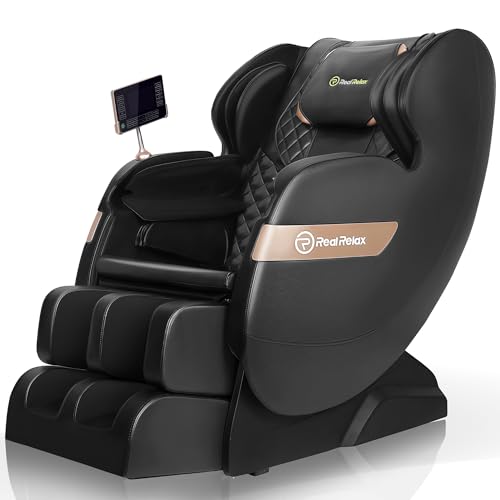
Lymphatic drainage and swelling are concerns that massage can potentially help address, but the relationship between massage chairs and the lymphatic system is often overstated in marketing. Understanding what the lymphatic system does, how massage affects it, and what massage chairs can realistically accomplish helps you set appropriate expectations and determine whether a massage chair might help with your swelling or lymphatic concerns.

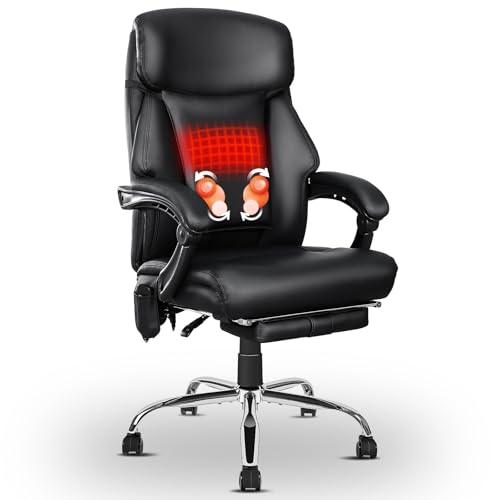
This guide covers the basics of lymphatic function, how massage relates to lymphatic drainage, and what to look for in a massage chair if lymphatic support is a priority.

Table of Contents
Understanding the Lymphatic System
What the Lymphatic System Does
For more information, check out our guide on Best Zero Gravity Massage Chairs.
The lymphatic system is a network of vessels, nodes, and organs that plays crucial roles in immune function and fluid balance. Lymph vessels collect excess fluid from tissues and return it to the bloodstream. Along the way, lymph nodes filter this fluid and house immune cells that respond to pathogens.
Unlike blood circulation, which has the heart as a pump, the lymphatic system has no central pump. Lymph movement depends on skeletal muscle contractions, respiratory movements, and smooth muscle within lymph vessels. Physical activity naturally promotes lymph flow; sedentary behavior allows lymph to stagnate.
What Causes Lymphatic Problems
Lymphedema—chronic swelling from lymphatic dysfunction—can result from damage to lymph nodes (often from cancer treatment), congenital abnormalities, infections, or other conditions. This is a medical condition requiring professional treatment, not something massage chairs can remedy.
Simple edema—temporary swelling from fluid accumulation—can result from prolonged sitting or standing, certain medications, dietary factors, or minor injuries. This type of swelling often responds to position changes, compression, and general circulation improvement.
Distinguishing between lymphedema requiring medical attention and simple swelling that massage might help is important. Consult healthcare providers if you have persistent or significant swelling rather than assuming massage chair use is appropriate.
How Massage Affects Lymph Flow
Manual lymphatic drainage (MLD) is a specialized massage technique developed specifically for lymphatic conditions. It uses very light pressure and specific movements designed to encourage lymph flow along proper pathways. MLD is performed by trained therapists and is genuinely effective for appropriate conditions.
General massage—including what massage chairs provide—affects lymph flow less specifically. The compression and movement do promote fluid movement, but not with the targeted precision of MLD. This doesn't mean massage chairs don't help with swelling, but they work differently than specialized lymphatic massage.
What Massage Chairs Can Do
Improve General Circulation
Massage chairs promote blood and lymph circulation through mechanical compression and movement. This general circulation improvement helps move fluids that might otherwise stagnate during sedentary periods. For simple swelling related to inactivity, this circulation boost provides genuine benefit.
Compress Tissues
Air compression in massage chairs rhythmically squeezes and releases tissues, particularly in the legs. This compression action mimics some effects of manual compression therapy, pushing fluid through tissues and vessels. The pumping action can help move accumulated fluid.
Reduce Swelling from Inactivity
The leg swelling that develops after prolonged sitting or standing often responds well to massage chair use. The combination of position change (particularly with leg elevation), compression, and circulation improvement addresses the factors contributing to this type of swelling.
Complement Other Approaches
Massage chairs work alongside other swelling management strategies—compression stockings, leg elevation, movement breaks, hydration—as part of an overall approach. They don't replace these measures but can complement them.
What Massage Chairs Cannot Do
Treat Lymphedema
True lymphedema requires specialized treatment—typically manual lymphatic drainage, compression garments, and potentially other interventions prescribed by healthcare providers. Massage chairs aren't designed for and shouldn't be expected to treat this condition.
Using massage chairs inappropriately on lymphedema could potentially worsen problems. If you have diagnosed lymphedema, consult your treatment team about whether and how massage chair use is appropriate.
Replace Medical Treatment
Significant, persistent, or unusual swelling requires medical evaluation. Swelling can indicate serious conditions including heart, kidney, or liver problems. Massage chairs aren't diagnostic or treatment tools for these underlying causes.
Provide Targeted Lymphatic Drainage
For more information, check out our guide on Best Massage Chairs with Air Compression.
The specific techniques of manual lymphatic drainage—light pressure, particular stroke sequences, attention to lymph node locations—aren't replicated by massage chairs. The chairs provide general circulation benefits, not specialized lymphatic technique.
Key Features for Circulation and Swelling
Comprehensive Leg Compression
Air compression in the legs provides the most direct benefit for leg swelling. Look for chairs with multiple airbag chambers in the calves and, if possible, thighs. Sequential compression that creates wave-like patterns pushing fluid upward is more effective than simple squeezing.
Foot Massage
Feet are often where fluid accumulates first when circulation is poor. Quality foot massage—both airbag compression and roller work—helps address this accumulation. Combined with calf compression, foot massage provides comprehensive lower leg treatment.
Zero Gravity Positioning
Elevating legs above heart level uses gravity to assist fluid return. Zero gravity recline in massage chairs provides this elevation during treatment. The combination of elevation with compression maximizes the circulation benefit.
Full-Body Coverage
While leg swelling is most common, fluid can accumulate elsewhere. Full-body massage coverage addresses circulation throughout rather than just in the legs. This comprehensive treatment supports overall fluid balance.
Heat Features
Heat causes blood vessels to dilate, increasing circulation. This vasodilation can help with fluid movement. Heat in the legs specifically supports the circulation improvement that helps with swelling.
Using Massage Chairs for Swelling
Timing Considerations
Use massage after periods that typically cause swelling—after long flights, extended sitting, or full days on your feet. Addressing swelling before it becomes severe is easier than reducing significant fluid accumulation.
Regular daily use may help prevent swelling from developing rather than just treating it after the fact. Consistent attention to circulation maintains better fluid balance over time.
Session Duration
For swelling concerns, longer sessions focused on the legs may provide more benefit than brief full-body programs. Consider 20-30 minute sessions emphasizing leg compression and elevation.
Position During Treatment
Use zero gravity or reclined positions with legs elevated throughout treatment. This positioning maximizes gravity's assistance in fluid return. Sitting upright during leg massage is less effective for swelling than elevated positions.
Complementary Measures
For more information, check out our guide on Best Massage Chairs with Foot Massage.
Combine massage chair use with other circulation-supporting measures. Wear compression stockings during the day if recommended. Stay hydrated. Take movement breaks during prolonged sitting. Address dietary factors that contribute to fluid retention.
When to Seek Medical Attention
Signs Requiring Evaluation
Seek medical evaluation for swelling that is sudden or severe, affects only one leg (could indicate blood clot), is accompanied by pain or skin changes, doesn't improve with elevation and movement, or occurs alongside other symptoms like shortness of breath.
New or unexplained swelling, particularly in older adults or those with other health conditions, warrants medical assessment before assuming massage is appropriate.
Existing Conditions
If you have heart failure, kidney disease, liver disease, or other conditions known to cause swelling, work with your healthcare providers to understand whether and how massage chair use fits your treatment plan. Don't substitute massage for prescribed treatments.
History of Blood Clots
If you have a history of deep vein thrombosis or blood clots, consult your healthcare provider before using leg compression features. While compression can be beneficial, inappropriate use could potentially dislodge clots, creating serious health risks.
Realistic Expectations
What You Can Expect
For simple swelling related to inactivity or lifestyle factors, massage chairs can provide meaningful improvement. The combination of compression, circulation enhancement, and positioning helps move accumulated fluid and may reduce or prevent the discomfort of swelling.
What You Shouldn't Expect
Massage chairs don't treat underlying medical conditions, provide specialized lymphatic drainage, or replace professional care for significant lymphatic problems. They support circulation and comfort, not medical treatment.
Individual Variation
Response to massage chair use for swelling varies. Some people experience significant improvement; others notice modest changes. Experiment with timing, duration, and positioning to find what works best for your situation.
Budget Considerations
Chairs with comprehensive leg compression and zero gravity positioning—the features most relevant for swelling—typically cost $2,000-$5,000. Quality leg massage requires multiple airbag chambers and sequential compression patterns found in mid-range and higher-end chairs.
If swelling management is a primary concern, prioritize leg features over other capabilities. A chair with excellent leg compression but average back massage serves swelling concerns better than the reverse.
Conclusion
Massage chairs can support healthy circulation and help manage simple swelling through compression, movement, and positioning benefits. However, they don't provide specialized lymphatic drainage or treat medical conditions causing lymphedema or significant swelling. Comprehensive leg compression, foot massage, and zero gravity positioning provide the most benefit for circulation concerns. Use massage chairs as part of an overall approach to circulation health, maintain realistic expectations about what they can accomplish, and seek medical attention for significant, persistent, or concerning swelling. For the right applications—managing lifestyle-related swelling and supporting general circulation—massage chairs provide genuine, if modest, benefit.
For more information, check out our guide on Best Massage Chair for Lymphatic Drainage.