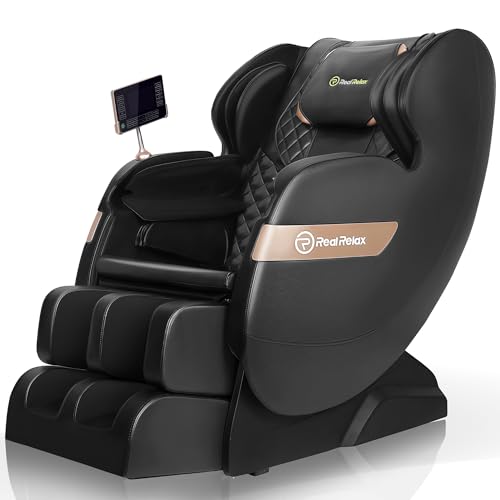
Stress has become a defining feature of modern life, affecting health, relationships, and productivity in ways that accumulate over time. While massage chairs aren't a substitute for addressing the root causes of stress, they offer genuine relief—providing a daily sanctuary where the physical manifestations of stress can be addressed. Understanding how massage affects stress responses helps you appreciate what a quality massage chair can realistically provide.


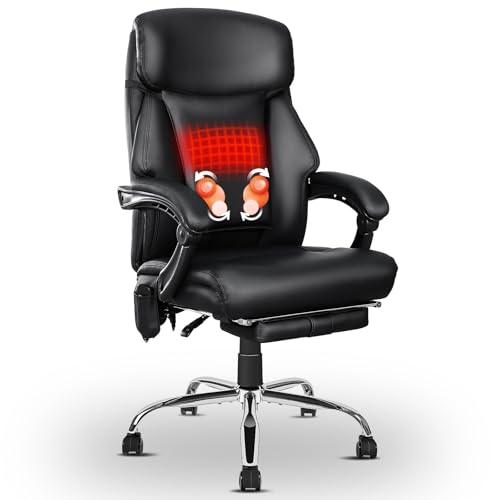
This guide covers the connection between stress and physical tension, how massage provides relief, and what to look for in a massage chair if stress reduction is your primary goal.

Table of Contents
Understanding Stress and the Body
How Stress Manifests Physically
For more information, check out our guide on Best Massage Chairs for Lower Back Pain.
Stress triggers the fight-or-flight response, causing muscle tension, elevated heart rate, and hormonal changes designed to help you respond to threats. In modern life, this response activates repeatedly for non-physical stressors—work pressure, financial worries, relationship problems—leaving the body in chronic partial activation.
Muscle tension is the most obvious physical manifestation. The shoulders creep upward, the jaw clenches, the neck stiffens. This tension becomes habitual, persisting even when the stressor isn't present. Chronic tension causes pain and fatigue, adding physical discomfort to psychological stress.
The nervous system remains in sympathetic dominance—the activated state—rather than parasympathetic dominance—the rest-and-digest state. This affects digestion, sleep, immune function, and overall well-being. Chronic stress literally changes how the body operates.
Where Stress Tension Accumulates
Common tension patterns include the shoulders and upper back, neck and base of skull, jaw and facial muscles, and lower back. Individual patterns vary, but most people carry stress in predictable locations that become their personal "stress spots."
These tension areas develop trigger points—localized knots that refer pain to other areas and perpetuate the discomfort even after the stressor passes. Without intervention, stress tension becomes structural rather than temporary.
How Massage Provides Stress Relief
Muscle Tension Release
Massage directly addresses the muscle tension stress creates. The mechanical action of massage relaxes contracted muscles, releases trigger points, and reduces the physical discomfort that stress causes. This physical relief improves overall well-being.
Parasympathetic Activation
Massage stimulates the parasympathetic nervous system—the "rest and digest" branch that opposes the stress response. During and after massage, heart rate decreases, breathing deepens, and the body shifts toward relaxation. This shift counters the chronic sympathetic activation that stress creates.
Hormonal Effects
Research suggests massage reduces cortisol (the stress hormone) while increasing serotonin and dopamine (mood-regulating neurotransmitters). These hormonal shifts improve mood and reduce the biochemical markers of stress.
Improved Sleep
Stress disrupts sleep, and poor sleep worsens stress—a vicious cycle many people experience. Massage promotes relaxation that improves sleep quality, breaking this cycle. Better sleep enhances the body's ability to manage stress.
Mental Break
The massage experience provides a mental break from stressors. Time spent in a massage chair isn't time spent worrying about problems. This mental respite has value independent of physical effects.
Key Features for Stress Relief
Upper Back and Shoulder Focus
Since shoulders and upper back are primary stress-holding areas for most people, strong coverage of these regions is essential. Look for chairs that effectively reach the upper trapezius, the muscles between shoulder blades, and the areas where you personally carry tension.
Adjustable roller width helps target the specific muscles where stress accumulates. Shoulder air compression provides additional release that rollers alone can't achieve.
Neck Massage
The neck holds significant stress tension, particularly the muscles at the base of the skull. Quality neck massage—whether from rollers extending into the cervical spine or dedicated neck massage units—addresses this common stress location.
Full-Body Coverage
While upper body stress is most common, tension can manifest anywhere. Comprehensive coverage addresses stress wherever it appears in your body. Legs that tense during stressful commutes, lower backs that tighten during pressure, arms that clench during frustration—all benefit from full-body treatment.
Heat Therapy
For more information, check out our guide on Best Massage Chairs for Muscle Knots.
Heat enhances relaxation and muscle release. For stress relief, heat in the back and neck areas where tension concentrates provides particular benefit. The warming sensation itself is calming, complementing the mechanical massage action.
Gentle to Moderate Intensity Options
Stress relief doesn't require aggressive deep tissue work. Moderate intensity that feels soothing rather than challenging often provides better relaxation. The ability to keep intensity at comfortable levels throughout the session matters for stress relief purposes.
Zero Gravity Positioning
Zero gravity recline creates a sense of weightlessness that enhances relaxation. The position distributes weight evenly, reduces joint pressure, and feels inherently calming. For stress relief, this positioning adds significant value.
Automatic Programs for Relaxation
Many chairs offer programs specifically designed for relaxation rather than therapeutic deep work. These programs use gentler techniques, soothing patterns, and complete cycles that guide you through a relaxing experience without requiring adjustment.
Quiet Operation
Loud mechanical noises work against relaxation. Quieter chairs create a more peaceful experience that supports stress relief. Consider noise level when evaluating chairs for stress management purposes.
Creating a Stress-Relief Routine
Timing Considerations
After-work sessions address the stress accumulated during the day before it consolidates overnight. This timing helps prevent the carryover of work stress into evening and sleep.
Pre-sleep sessions prepare the body for rest, potentially improving sleep quality and helping you wake refreshed rather than carrying yesterday's stress into today.
Morning sessions can help you start the day relaxed rather than immediately tense. Some people find this sets a better tone for handling daily stressors.
Frequency
Regular use provides more stress management benefit than occasional sessions. Daily 15-20 minute sessions may serve better than longer weekly sessions because stress accumulates daily and benefits from daily release.
Environment Enhancement
Create an environment that supports relaxation during massage. Dim lighting, comfortable temperature, and minimal distractions enhance the stress-relief experience. Making your massage time feel like a sanctuary improves its effectiveness.
Phone and Notification Management
Silence notifications during massage sessions. Interruptions that remind you of stressors undermine the relaxation you're seeking. Treat massage time as protected time away from demands.
Complementary Stress Management
Addressing Root Causes
Massage chairs provide relief but don't address what's causing your stress. Consider what changes might reduce stressors—whether in work, relationships, lifestyle, or mindset. Massage helps you cope; addressing causes helps you need less coping.
Exercise
For more information, check out our guide on Best Zero Gravity Massage Chairs.
Physical activity provides powerful stress relief that complements massage. Exercise burns stress hormones, releases endorphins, and provides an outlet for tension. Combining regular exercise with regular massage creates comprehensive physical stress management.
Mindfulness and Meditation
Mental techniques for managing stress complement the physical relief massage provides. Practicing mindfulness during massage sessions—paying attention to sensations rather than letting your mind wander to stressors—enhances benefits.
Professional Help
If stress is significantly affecting your life, professional help—whether therapy, counseling, or medical treatment—may be appropriate. Massage chairs support stress management but don't replace professional intervention when it's needed.
Realistic Expectations
What You Can Expect
Regular massage chair use can reduce physical tension, provide daily relaxation time, improve sleep quality, and create a sense of well-being that helps you handle stressors better. These benefits are meaningful and improve quality of life.
What You Shouldn't Expect
Massage chairs don't eliminate stress from your life, solve the problems causing stress, or provide the same effects as comprehensive stress management programs. They're one tool among many—valuable but not complete solutions.
Individual Variation
Response to massage for stress relief varies. Some people find it transformatively helpful; others notice modest benefits. Your response depends on your stress patterns, how you hold tension, and how well massage addresses your specific needs.
Evaluating Chairs for Stress Relief
Test Relaxation Programs
Try the relaxation-focused programs rather than just therapeutic or deep tissue options. Evaluate whether the experience feels genuinely relaxing or merely mechanical. The subjective sense of relaxation matters for stress relief purposes.
Assess Your Tension Areas
Identify where you carry stress tension and verify the chair effectively reaches those areas. A chair that misses your primary stress spots won't serve your needs regardless of other features.
Consider the Complete Experience
Evaluate noise level, seat comfort, positioning, and overall ambiance—not just massage quality. Stress relief involves the complete experience, not just mechanical action.
Budget Considerations
Mid-range chairs ($2,000-$4,000) typically offer the comprehensive coverage, heat therapy, and relaxation programs that serve stress relief well. Premium chairs may offer additional features, but the core stress-relief capabilities are available at moderate price points.
Conclusion
Massage chairs provide genuine stress relief by releasing muscle tension, activating the parasympathetic nervous system, and creating daily relaxation opportunities. Upper body focus, heat therapy, gentle intensity options, and comfortable positioning support effective stress management. Combine massage chair use with addressing stress sources, exercise, and other stress management techniques for comprehensive benefits. While massage chairs can't solve life's problems, they can provide a daily sanctuary where the physical burden of stress finds relief.
For more information, check out our guide on Best Massage Chair for Stress Relief.