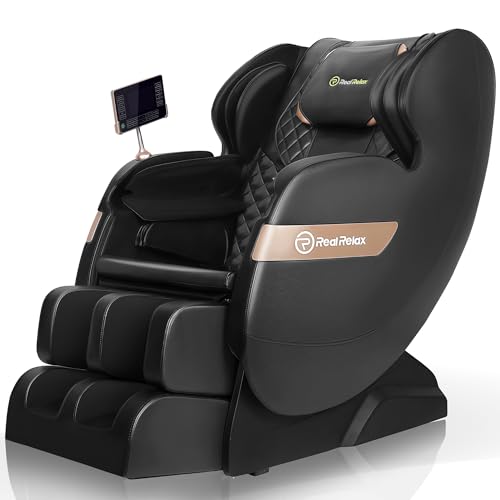
Finding a massage chair that fits petite users presents unique challenges. Most massage chairs are designed for average body sizes, with roller positions, leg rest lengths, and overall dimensions optimized for people 5'4" to 6'2". If you're under 5'4", you may find that standard chairs don't reach the right spots, that your feet don't properly contact foot rollers, or that the massage feels awkward because the chair wasn't built for your proportions.


This guide covers what shorter users need to look for, common fit problems with standard chairs, and how to evaluate massage chairs for petite body types.
Table of Contents
Common Problems for Shorter Users
Roller Positioning Issues
For more information, check out our guide on Best Massage Chairs for Lower Back Pain.
The massage rollers in most chairs travel along a track designed for average-height users. For shorter people, the rollers may not reach high enough on the shoulders or may focus on the wrong areas of the back. The gap between where the rollers go and where you need them can make an otherwise quality chair feel ineffective.
Even with automatic body scanning, some chairs don't properly identify shorter spines. The scan may position rollers incorrectly, resulting in massage that hits between vertebrae rather than on muscle tissue.
Leg Rest Mismatch
Standard leg rests are often too long for shorter users. When the leg rest is designed for someone 5'8", a 5'2" user may find that their calves don't reach the calf massage area, or that the foot rollers contact the wrong part of their feet. This can render the entire lower leg massage ineffective.
Some chairs have leg rests that can't retract short enough to properly position massage mechanisms for shorter legs. The leg rest may work, but the massage happens in the wrong places.
Seat Depth Problems
Seat depth affects how you sit in the chair and where your back contacts the backrest. Standard seat depths may position shorter users too far forward, affecting spinal alignment and roller contact. Some petite users find they need to sit back in ways that are uncomfortable or that don't align properly with the massage mechanisms.
Shoulder Coverage Gaps
Shoulder airbag compression may not properly contact smaller shoulders. The airbags are sized and positioned for average builds—shorter users with narrower shoulders may find the compression misses entirely or squeezes in awkward places.
Key Features for Shorter Users
Adjustable Leg Rest Length
This is the most important feature for petite users. The leg rest should retract enough to properly position calf and foot massage for shorter legs. Check the minimum leg rest length specification or, better, test with your actual leg length.
Power-adjustable leg rests allow fine-tuning of position during use. This adjustability helps you find exactly where the calf massage and foot rollers need to be for your proportions.
Advanced Body Scanning
Quality body scanning technology that accurately maps shorter spines helps position rollers correctly. The best scanning systems detect the actual location of cervical, thoracic, and lumbar spine sections regardless of total height.
Test the body scan by sitting in the chair and evaluating where the rollers go. Do they accurately find your spine? Do they reach high enough on your shoulders? Does the chair recognize your actual dimensions?
Minimum Height Specification
Some manufacturers specify minimum user height for their chairs. A chair rated for 5'0" minimum is more likely to fit petite users than one rated for 5'3" minimum. These specifications indicate the roller travel range and leg rest adjustability.
However, height specifications don't tell the whole story. Body proportions matter too—leg length, torso length, and shoulder width all affect fit. Testing remains important even when specifications suggest compatibility.
Roller Width Adjustment
Smaller frames typically have narrower shoulders. Adjustable roller width helps position the massage on actual shoulder muscles rather than too far to the sides. Narrower settings accommodate petite builds; the ability to adjust ensures proper targeting.
Compact Overall Design
Some massage chairs are designed specifically for smaller spaces and users. These compact models may have proportions better suited to petite body types. The trade-off may be less luxurious padding or fewer features, but better basic fit.
Pillow or Headrest Adjustment
Neck and head positioning matters for shorter users. Adjustable headrests or neck pillows help compensate for height differences. The ability to position head support where you actually need it improves overall comfort and neck massage effectiveness.
Evaluating Chairs as a Petite User
In-Person Testing is Essential
For more information, check out our guide on Best Massage Chairs for Neck and Shoulder Pain.
Specifications can suggest compatibility, but only testing reveals actual fit. Shorter users should never buy massage chairs without in-person evaluation. The investment is too significant to rely on height specifications alone.
Bring a list of what to evaluate: roller positioning, leg rest adjustment, calf and foot massage contact, shoulder coverage. Systematically check each area rather than relying on general impressions.
Test Full Sessions
Brief demonstrations don't reveal fit problems that emerge during actual massage sessions. Request time for a full 15-20 minute program to evaluate how the chair works for your body throughout a complete treatment.
Evaluate All Body Areas
Check that the massage works correctly on your neck and shoulders, mid-back, lower back, glutes (if L-track), calves, and feet. Problems in any area indicate poor fit for your proportions.
Try Maximum and Minimum Settings
Test the extremes of adjustment. Will minimum leg rest length work for your legs? Does the roller travel reach high enough on your shoulders? Knowing the adjustment range reveals whether the chair can actually accommodate you.
Consider Zero Gravity Positioning
In zero gravity recline, your body position changes relative to the massage mechanisms. A chair that fits acceptably while upright may fit differently when reclined. Test both positions to ensure compatibility throughout the chair's range.
Brands and Models to Consider
Japanese Brands
Japanese massage chair manufacturers often design for Asian body proportions, which typically include shorter average heights. Brands with Japanese design heritage may offer better baseline fit for petite users than American or European designs.
Compact and Space-Saving Models
Chairs designed for smaller spaces often have proportions that work better for smaller users. The compact design philosophy extends to body fit, not just footprint. Look for chairs marketed as space-efficient.
Entry-Level from Major Brands
Major manufacturers' entry-level chairs sometimes have simpler mechanisms that accommodate a wider size range. The trade-off is fewer features, but better basic fit may be more important than features that don't work for your size.
Modifications and Workarounds
Lumbar Support Cushions
Adding a lumbar cushion behind your lower back can shift your position in the chair, potentially improving roller alignment. This simple modification can significantly improve fit in chairs that are close but not perfect.
Seat Cushions
A seat cushion raises your position in the chair, which can help with shoulder roller positioning. The trade-off is potentially affecting seat massage and overall proportions, so test any cushion modification carefully.
Neck Support Additions
For more information, check out our guide on Best Zero Gravity Massage Chairs.
If the headrest doesn't properly support your neck, additional neck support can help. Some users add travel pillows or rolled towels to achieve proper positioning.
Footrest Adjustments
If the foot massage doesn't reach correctly, wearing shoes or placing padding under your feet can improve contact. This isn't ideal, but it can make an otherwise good chair work better.
Questions to Ask Dealers
Minimum Height Accommodation
Ask specifically what minimum height the chair accommodates and what determines this limit. Understanding the limiting factor—roller travel, leg rest length, seat depth—helps you evaluate whether it applies to your proportions.
Return Policy for Fit Issues
Ask whether you can return the chair if it doesn't fit properly. A 30-day trial period allows you to evaluate fit in extended home use, revealing problems that showroom testing might miss.
Other Short Users' Experience
Ask if the dealer has sold this model to other petite users and what feedback they've received. Experienced dealers know which models work best for shorter customers.
Modification Options
Ask if there are cushions or adjustments that help shorter users. Some manufacturers offer accessories designed to improve fit for users at the edges of their size range.
Budget Considerations
Chairs with better adjustability—the kind that accommodates petite users well—typically cost more. Advanced body scanning, extensive leg rest adjustment, and width adjustment are features found in mid-range to higher-end chairs.
Consider whether a more expensive chair that actually fits is better value than a cheaper chair that doesn't work for your size. The unusable features on an ill-fitting chair have no value regardless of price.
What to Avoid
Buying Without Testing
The most common mistake is purchasing based on specifications or reviews without in-person testing. What works for an average-height reviewer may not work for petite users.
Assuming All Chairs Are Similar
Size accommodation varies significantly between manufacturers and models. A chair from one brand may fit perfectly while a similar chair from another brand doesn't work at all. Test individual models, not just brands.
Ignoring Fit Problems
Don't convince yourself that minor fit issues don't matter. A chair that doesn't properly reach your shoulders or massage your calves isn't providing full value. Hold out for chairs that actually fit.
Conclusion
Petite users need massage chairs with adjustable leg rests that accommodate shorter legs, accurate body scanning that recognizes smaller frames, and roller positioning that works for shorter spines. In-person testing is essential—specifications indicate compatibility, but only testing reveals actual fit. Prioritize chairs designed with size flexibility over chairs with impressive features that don't work for your proportions. The right chair exists, but finding it requires careful evaluation specifically for petite body fit.
For more information, check out our guide on Best Massage Chair for Short People Under 5 Feet 4 Inches.