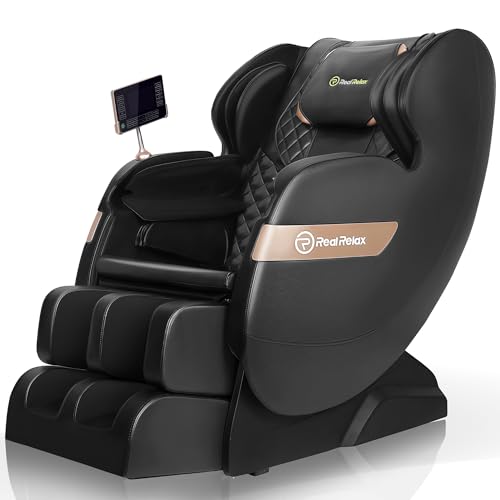
Restless leg syndrome affects millions of people, creating uncomfortable sensations and an irresistible urge to move the legs that disrupts sleep and diminishes quality of life. While massage chairs aren't a cure for RLS, many sufferers find that the right massage features can provide significant relief, helping calm symptoms enough to fall asleep or simply enjoy an evening without the constant urge to move. Understanding which features help and how to use them effectively can make a massage chair a valuable tool in managing this frustrating condition.


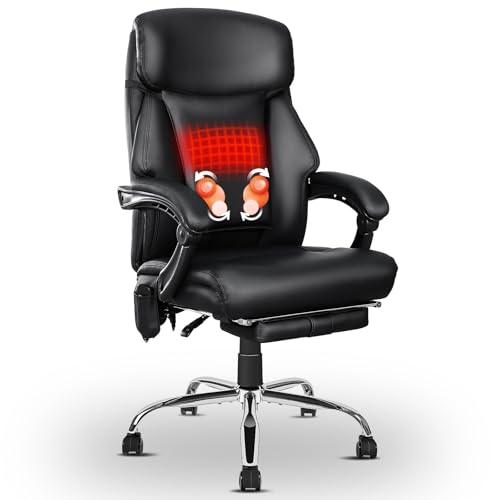
This guide examines how massage may help RLS, which features to prioritize, and realistic expectations for what a massage chair can and cannot do for restless leg syndrome.

Table of Contents
Understanding Restless Leg Syndrome
What RLS Feels Like
For more information, check out our guide on Best Massage Chairs for Lower Back Pain.
RLS creates sensations variously described as crawling, tingling, pulling, aching, or simply an uncomfortable urge to move the legs. These sensations typically occur during periods of inactivity, particularly in the evening and at night. Moving the legs temporarily relieves the discomfort, but the sensations return when movement stops.
The condition ranges from mild annoyance to severe interference with sleep and daily life. Some people experience symptoms occasionally; others deal with them every night. The exact cause isn't fully understood, though dopamine system dysfunction, iron deficiency, and genetic factors all play roles in many cases.
Why Massage May Help
While RLS has neurological origins, the sensory input from massage can help override or calm the uncomfortable sensations the condition creates. Several mechanisms may contribute to massage's benefits for RLS sufferers.
Massage stimulates sensory nerves in ways that may temporarily satisfy the nervous system's demand for leg movement. The pressure and manipulation provide the stimulation that RLS creates a craving for, potentially allowing the nervous system to calm without requiring you to actually move your legs.
Improved circulation from massage may help in cases where reduced blood flow contributes to symptoms. The compression and manipulation of massage increases blood flow, which may reduce some of the uncomfortable sensations.
Muscle relaxation reduces any tension or cramping that compounds RLS discomfort. While muscle tension doesn't cause RLS, it can make symptoms feel worse. Relaxed muscles may experience less intense RLS sensations.
The general relaxation response massage creates helps with the anxiety and frustration that often accompany RLS, potentially reducing the intensity of symptoms or the distress they cause.
Key Features for RLS Relief
Comprehensive Leg Massage
RLS affects the legs, so leg massage capability is the most critical feature. Look for chairs with extensive leg coverage, not just token foot massage. The calves, shins, and if possible the thighs should receive massage attention.
Air compression in the calves provides the sustained pressure that many RLS sufferers find soothing. The rhythmic squeezing and releasing creates sensory input that may help calm the uncomfortable urge to move. Look for chairs with multiple air cells in the leg area that provide rolling, wave-like compression patterns rather than just simple squeezing.
Foot rollers and foot air compression add additional stimulation. Many RLS sufferers experience sensations that extend into the feet, and comprehensive foot massage addresses these areas. Reflexology-style foot rollers provide particularly intensive foot stimulation.
Adjustable Intensity
RLS sufferers have varying sensitivity, and what feels soothing to one person may be irritating to another. Look for chairs with multiple intensity levels for the leg massage, allowing you to find the pressure that provides relief without overstimulation.
Some people find that very gentle massage soothes their RLS while others need more intensive pressure. The ability to experiment with different intensity levels helps you find what works for your specific symptoms.
Heat Therapy
Heat often helps calm RLS symptoms. Some sufferers find that warm legs experience less intense sensations than cold legs. Look for chairs with heating elements in the leg rest area, or at minimum heating that extends to the seat and lower back where warmth can radiate downward.
The combination of heat and massage may be more effective than either alone. Heat relaxes muscles and increases blood flow while massage provides sensory stimulation. Together they address multiple factors that can influence RLS symptoms.
Extended Program Options
RLS relief may require sustained massage rather than brief sessions. Look for chairs that allow extended program durations or that let you easily restart programs. If your symptoms continue beyond a standard 15-20 minute program, you need the ability to continue treatment.
Some chairs have automatic shutoffs that limit session length. While this is a safety feature, it can be frustrating when you need continued massage for RLS relief. Look for chairs with generous maximum session lengths or easy restart capability.
Zero Gravity Positioning
Zero gravity recline positions the legs above the heart, promoting blood flow and potentially helping with RLS symptoms. Some sufferers find that elevation alone provides some relief, and when combined with massage the effect may be stronger.
The reclined position also helps with the relaxation response that may calm the anxiety RLS creates. Being fully reclined can make it easier to drift toward sleep if the massage is calming your symptoms.
Using Your Massage Chair for RLS
Timing Considerations
For more information, check out our guide on Best Zero Gravity Massage Chairs.
RLS typically worsens in the evening and night, so timing your massage sessions to precede your worst symptom periods makes sense. Using your massage chair an hour or two before bed may help calm your nervous system before symptoms would normally peak.
Some people benefit from massage right at the onset of symptoms. If you can catch the early tingling or discomfort before it intensifies, massage may prevent escalation. Pay attention to your symptom patterns and time sessions accordingly.
Session Length
Standard 15-20 minute massage programs may not be enough for significant RLS relief. Many sufferers need 30-45 minutes of sustained leg massage to calm their symptoms. Plan for longer sessions and position your chair where you can relax for extended periods.
Some people benefit from multiple shorter sessions rather than one long one. Experiment to find what works for your symptom pattern. If symptoms return an hour after massage, a second session before bed might help.
Intensity Experimentation
Finding the right intensity for your RLS takes experimentation. Start at moderate levels and adjust based on how your symptoms respond. Some people find that very firm compression calms their legs; others need gentler stimulation to avoid aggravating their symptoms.
Your optimal intensity may vary from day to day depending on how severe your symptoms are. On bad nights, you might need different settings than on milder evenings.
Combining with Other Strategies
Massage works best as part of a comprehensive RLS management approach. Continue any medications your doctor has prescribed. Maintain good sleep hygiene. Address potential contributing factors like iron deficiency, caffeine intake, or alcohol use.
Pre-massage stretching of the legs may enhance the benefits. Gentle movement before settling into the massage chair can help prepare your legs for the session.
What to Expect
Realistic Benefits
Massage chairs can provide meaningful relief for many RLS sufferers, but they're not a cure. Expect temporary symptom reduction rather than permanent resolution. The relief may allow you to fall asleep, enjoy a movie without constantly moving, or simply experience a break from symptoms—all valuable outcomes even if they're not permanent.
Some people experience significant relief lasting hours after their massage session. Others find relief only during active massage. Your response depends on your specific RLS characteristics and how your nervous system responds to massage stimulation.
Who Benefits Most
People with mild to moderate RLS often experience the most noticeable benefits from massage. Severe RLS may require medical treatment beyond what massage can provide. If your symptoms severely impact your life, work with a healthcare provider on comprehensive treatment rather than relying solely on massage.
RLS sufferers who also experience muscle tension, poor circulation, or general stress may benefit more than those with purely neurological symptoms. Massage addresses these contributing factors, which can reduce overall symptom intensity.
When Massage Might Not Help
Some people find that leg massage actually aggravates their RLS rather than helping. If you experience increased symptoms during or after massage, this approach may not work for you. The stimulation that calms some nervous systems can irritate others.
Very severe RLS may not respond adequately to massage. If your symptoms are debilitating, medical treatment should be your primary approach, with massage as a potential supplement rather than primary treatment.
Choosing the Right Chair
Prioritizing Leg Features
For more information, check out our guide on Best Massage Chairs with Air Compression.
For RLS, leg massage capability matters more than back massage quality. A chair with excellent leg massage and adequate back massage will serve you better than one with outstanding back massage but minimal leg features. Evaluate chairs specifically on their leg massage capabilities.
Look for chairs with L-track coverage that extends under the seat to work the glutes and upper hamstrings. Some RLS sufferers experience sensations that extend up from the legs, and this coverage addresses those areas.
Testing Before Buying
If possible, test massage chairs with your RLS symptoms present. Visit showrooms in the evening when your symptoms typically occur. This gives you real information about whether a particular chair's massage helps your specific symptoms.
Pay attention to how the leg massage feels. Does the compression provide the right kind of pressure? Is it soothing or irritating? Can you imagine using it for the extended sessions RLS relief might require?
Return Policies Matter
Since RLS response to massage is unpredictable, buying from retailers with generous return policies reduces your risk. A 30-day return window gives you time to thoroughly test whether a chair helps your symptoms. Avoid final-sale purchases until you're confident the chair works for you.
Warranty Considerations
Extended leg massage sessions put more wear on leg components than typical use. Ensure the chair you choose has good warranty coverage for the leg massage mechanism. Quality chairs from established manufacturers provide better long-term reliability for intensive use patterns.
Additional Considerations
Bedside Placement
Positioning your massage chair near your bedroom can facilitate the transition from massage to sleep. If massage calms your symptoms enough to sleep, you want minimal activity between finishing your session and getting into bed.
Quiet Operation
If you'll use your chair late at night, consider noise level. Air compressor-based leg massage can be loud on some chairs. Test chairs at your intended use time to ensure noise won't be problematic for you or others in your home.
Leg Rest Adjustability
Proper leg positioning matters for effective massage. Look for chairs with adjustable leg rest length and angle to ensure the massage mechanisms contact your legs appropriately for your body dimensions.
Conclusion
While massage chairs can't cure restless leg syndrome, they offer meaningful relief for many sufferers through comprehensive leg massage, heat therapy, and the general relaxation response massage creates. Prioritize chairs with extensive leg air compression, adjustable intensity, and heat in the leg area. Allow for extended sessions, time your use to precede your worst symptom periods, and maintain realistic expectations about temporary rather than permanent relief. For mild to moderate RLS, the right massage chair can become a valuable tool in your symptom management approach, helping you reclaim evenings from the constant urge to move and improving your ability to rest comfortably.
For more information, check out our guide on Best Massage Chairs for Anxiety and Panic Attacks.