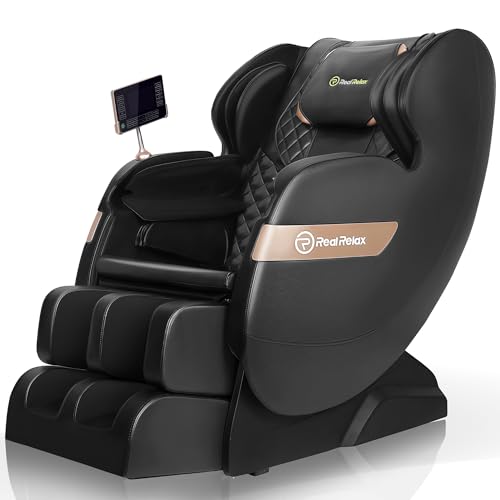
Finding a massage chair that accommodates users over 250 pounds requires specific attention to build quality, weight capacity, and comfort features. Many massage chairs are designed for average-sized users, with weight limits and dimensions that simply don't work for larger individuals. The good news is that quality chairs exist with higher weight capacities and wider builds—you just need to know what to look for and where manufacturers cut corners that affect heavier users.


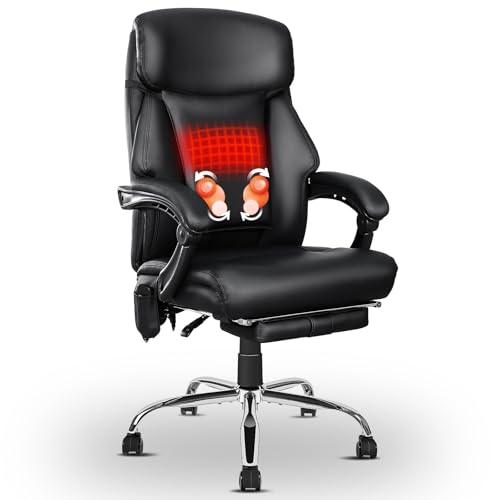
This guide covers the technical specifications that matter, how to evaluate chairs for larger users, and what to expect from massage chairs designed to handle higher weights.

Table of Contents
Understanding Weight Capacity Specifications
Stated vs. Real-World Limits
For more information, check out our guide on Best Massage Chairs with Body Scanning.
Manufacturers state weight capacity for their chairs, typically ranging from 265 pounds for basic models to 400+ pounds for heavy-duty options. These numbers represent the maximum weight the chair is designed to support, but they don't tell the whole story.
A chair rated for 300 pounds should safely support that weight without structural failure. However, a 295-pound user may still find the chair uncomfortable or find that the massage mechanisms don't work as intended because they're operating near maximum stress. Ideally, choose a chair rated at least 50 pounds above your weight for comfortable operation.
What Affects Weight Capacity
Frame construction determines structural capacity. Steel frames support more weight than aluminum or plastic-reinforced designs. The gauge of the steel matters—thicker steel provides more support. Look for information about frame construction, though not all manufacturers provide this detail.
The reclining mechanism must handle the weight distribution during recline. This is often a weak point in lower-cost chairs. Quality recline mechanisms are engineered for higher loads and provide smooth operation under stress.
Motor and mechanism capacity also matters. The rollers, airbags, and massage mechanisms need to function properly under pressure. Heavier users create more resistance for the mechanisms to work against, and underpowered motors may struggle or wear out faster.
Warranty Implications
Exceeding stated weight limits typically voids warranty coverage. If a chair breaks while supporting a user above its rated capacity, manufacturers will likely deny warranty claims. Using a chair within its specifications protects your investment.
Key Features for Heavier Users
Wider Seat and Back
Standard massage chairs are designed for average builds, with seat widths around 18-20 inches and back widths that accommodate typical shoulder spans. Larger users may find standard chairs cramped, with sides pressing in uncomfortably and limited range of motion.
Look for chairs specifically mentioning wider dimensions or designed for larger frames. Seat widths of 21-23 inches or more provide more comfortable seating. Back width matters for shoulder comfort during massage—if your shoulders press against the sides, the massage experience suffers.
Reinforced Frame Construction
Quality chairs designed for higher weights feature reinforced frames with heavier-gauge steel, additional support points, and more robust construction throughout. This reinforcement adds manufacturing cost but provides the durability heavy use requires.
Chairs from established manufacturers with reputations to protect tend to have more honest specifications than budget brands. When a reputable company rates a chair for 350 pounds, that rating typically reflects actual engineering for that weight.
Extended Stroke Dimensions
Longer seat depth and extended leg rest travel accommodate taller users who often accompany higher weights. If you're both heavy and tall, standard dimensions may be uncomfortable regardless of weight capacity. Look for chairs with extended stroke or tall user options.
Powerful Motors and Mechanisms
Heavier users create more resistance for massage mechanisms. The rollers must push against more tissue, airbags must compress against more mass, and recline motors must move more weight. Chairs designed for heavier use typically feature more powerful motors that maintain performance under load.
Underpowered motors in cheaper chairs may provide adequate massage for a 150-pound user but deliver diminished performance for a 300-pound user. The massage feels weaker because the mechanisms can't push as hard against the increased resistance.
Durable Upholstery
Heavier users put more stress on upholstery materials. Quality leather or synthetic leather rated for high use provides better durability than fabric or lower-grade materials. Seams should be reinforced at stress points, particularly where the seat meets the back.
PU leather quality varies significantly. High-grade synthetic leather can outlast genuine leather under heavy use, while cheap PU leather cracks and peels within months. Look for chairs with specific upholstery quality claims or warranties.
Reliable Recline Mechanism
For more information, check out our guide on Best Massage Chairs with Air Compression.
The recline mechanism bears significant stress, particularly during the transition to and from reclined positions. Quality chairs use hydraulic or motorized recline systems rated for higher weights. Manual recline mechanisms may be difficult to operate for heavier users and are more prone to failure under stress.
Massage Effectiveness Considerations
Deep Tissue Capability
Heavier users often have more muscle mass and tissue depth. Massage mechanisms must penetrate deeper to provide the same therapeutic effect that lighter users experience. 3D and 4D roller technology with adjustable depth helps ensure the massage reaches into tissue rather than staying at the surface.
Test chairs at maximum intensity on your actual body. If the massage feels superficial even at the highest setting, the chair lacks the intensity you need regardless of its weight capacity.
Air Compression Adequacy
Airbags in massage chairs must squeeze against your limbs and body. Heavier users with larger limbs may find that standard airbag placement doesn't properly contact their legs or arms. Look for chairs with adjustable airbag intensity and positioning to ensure proper contact.
Some chairs designed for larger users feature larger airbags or additional airbag chambers that provide better coverage for bigger frames.
Body Scanning Accuracy
Quality massage chairs scan your body to customize the massage path. Body scanning systems need to accurately detect larger frames to position rollers correctly. Poor scanning can result in rollers missing the spine or targeting wrong areas, which is more likely to occur with body dimensions outside normal parameters.
Test body scanning during your evaluation. Have the chair scan you and assess whether the massage feels properly aligned with your spine and targets appropriate areas.
Comfort and Practical Considerations
Cushioning Quality
Heavier users compress cushioning more than lighter users. Lower-quality foam compresses permanently over time, losing its cushioning ability. High-density foam or memory foam maintains its properties better under sustained pressure from heavier use.
Seat cushioning takes the most stress and often wears out first on chairs with inadequate foam quality. Feel the cushioning during testing—if it immediately compresses to where you can feel the frame, the foam is insufficient for heavy use.
Getting In and Out
Consider the physical reality of entering and exiting the chair. Low seat heights may be difficult to rise from. Armrests should be positioned to assist in standing. The chair's overall height and positioning affect accessibility.
Some chairs offer power lift features that raise the seat to make standing easier. For users with mobility concerns in addition to weight, this feature provides significant benefit.
Heat Distribution
Heat features should provide adequate warming for larger frames. If heating elements are sized for average users, they may not effectively warm larger users. Look for chairs with extensive heating coverage rather than minimal heat features.
Brand and Quality Considerations
For more information, check out our guide on Best Deep Tissue Massage Chairs.
Established Manufacturers
Established massage chair brands with reputations to protect typically provide more accurate specifications than no-name imports. Companies like Osaki, Infinity, Human Touch, and others have been in business long enough to understand what heavy-duty construction requires and to stake their reputations on their claims.
Budget brands may claim high weight capacities without the engineering to back those claims. When a $1,500 chair claims the same 350-pound capacity as a $4,000 chair, be skeptical about whether the cheaper chair actually delivers that capability.
Warranty Coverage
Warranty terms indicate manufacturer confidence. Longer warranties on structural components suggest the manufacturer expects the chair to last under normal use. Short warranties may indicate awareness that the chair isn't built for long-term durability.
Understand what the warranty covers. Frame warranty, parts warranty, and labor warranty may all differ. For heavier users who put more stress on chairs, comprehensive coverage is more valuable.
Service Network
Massage chairs are mechanical devices that eventually need service. Established brands have dealer networks and service technicians who can repair chairs. Off-brand chairs may be difficult or impossible to service when problems develop.
For heavy users who stress chairs more than average, reliable service access becomes more important. Ask about service availability before purchasing.
Testing and Evaluation
In-Person Testing
Testing in person is particularly important for heavier users because your experience may differ significantly from average-sized testers. Spend adequate time in any chair you're considering—a quick sit doesn't reveal how comfortable the chair is for extended use or whether the massage feels right for your body.
Test the massage at various intensities. Test recline and return. Test getting in and out multiple times. These practical evaluations reveal whether the chair actually works for your needs.
Online Purchasing Considerations
If you must buy online without testing, thoroughly research return policies. A 30-day return window gives you time to evaluate the chair properly. Avoid final-sale purchases on chairs you can't test.
Look for reviews from other heavier users. General reviews may not reflect how the chair performs for someone your size. Specific feedback from similar users provides more relevant information.
Budget Expectations
Quality massage chairs that genuinely accommodate heavier users typically cost $3,000-6,000. The reinforced construction, larger dimensions, and more powerful motors required for higher weight capacity add manufacturing cost. Be skeptical of cheap chairs claiming high capacity—something has been compromised to reach that price point.
Consider the cost per year of use. A $4,000 chair that lasts 10 years costs $400 per year—less than occasional professional massage therapy. A $1,500 chair that fails in 2 years costs more per year and provides far less value.
What to Avoid
Don't believe high weight capacity claims from ultra-cheap chairs. The engineering required for 350+ pound capacity costs money to implement. Budget chairs making these claims typically have inadequate frames, weak motors, or other compromises.
Avoid chairs with narrow dimensions even if weight capacity is adequate. A chair that can support your weight but can't fit your frame is useless.
Don't ignore user reviews about durability problems. If multiple reviews mention failure under heavy use, the chair likely has construction issues regardless of stated specifications.
Conclusion
Finding a massage chair for users over 250 pounds requires attention to weight capacity, construction quality, dimensions, and power. Established manufacturers with higher-rated chairs provide better assurance than budget brands with questionable claims. Test in person when possible, verify return policies when buying online, and invest in quality that will last under heavy use. The right chair provides years of comfortable, effective massage—the wrong chair becomes an expensive disappointment that fails under the stress of regular use.
For more information, check out our guide on Best Massage Chair for Heavy People Over 300 lbs.