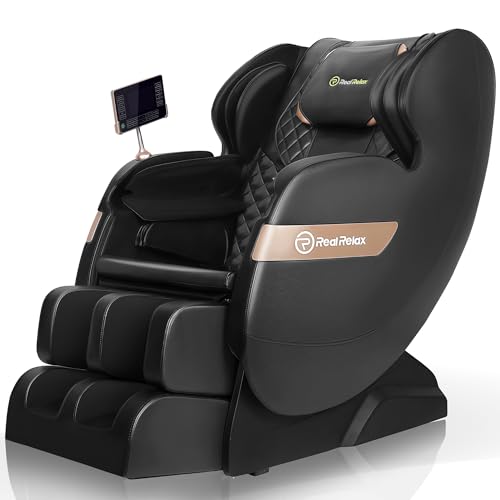
CrossFit demands extraordinary things from athletes—high-intensity functional movements, Olympic lifting, gymnastics elements, and cardiovascular challenges compressed into workouts that push physical limits. This training methodology creates specific recovery needs that differ from traditional weightlifting or endurance sports. A massage chair designed to address CrossFit's varied demands can accelerate recovery, reduce the chronic soreness that often limits training, and help maintain the mobility that complex movements require.


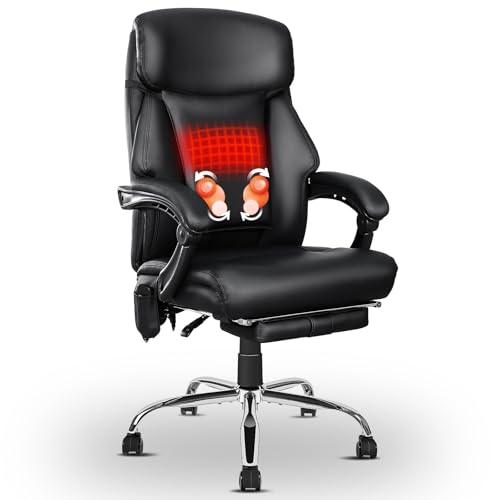
Understanding how CrossFit's diverse training affects your body helps you identify which massage chair features genuinely support your recovery needs.

Table of Contents
How CrossFit Affects Your Body
The Challenge of Varied Movement Patterns
For more information, check out our guide on Best Massage Chairs for Lower Back Pain.
Unlike sports with predictable movement patterns, CrossFit intentionally varies workouts to challenge the entire body. One day stresses the shoulders with overhead movements; the next hammers the legs with squats and running; another combines everything in a metabolically demanding workout. This variety creates recovery needs across the entire body rather than in predictable locations.
The "constantly varied" philosophy means you can't specialize your recovery the way a runner or powerlifter might. You need comprehensive recovery capability because tomorrow's workout might stress any part of your body.
Shoulder Demands
CrossFit heavily stresses the shoulders through pull-ups, handstands, overhead pressing, Olympic lifting, and countless other movements. The shoulder joint works through extreme ranges of motion under load—hanging from bars, supporting bodyweight overhead, catching snatches and cleans. This creates significant shoulder fatigue and chronic tension in the rotator cuff, deltoids, and supporting muscles.
Muscle-ups, kipping movements, and high-volume pull-ups place particularly high demands on the shoulders. The rapid, forceful movements stress the joint differently than controlled lifting, and the high repetition counts in many workouts accumulate fatigue quickly.
Lower Back Stress
Deadlifts, cleans, snatches, wall balls, rowing, and countless other CrossFit movements load the lower back. The combination of heavy loading from Olympic and powerlifting movements with the metabolic demands of doing these movements for time creates significant lumbar stress.
Form often degrades as fatigue accumulates during workouts, placing additional stress on the lower back as stabilizing muscles tire. Even athletes with good technique may experience increased lower back strain during the final minutes of demanding workouts.
Hip and Glute Demands
Squats, deadlifts, box jumps, wall balls, rowing, running—nearly every CrossFit workout involves significant hip work. The glutes power most CrossFit movements and accumulate substantial fatigue across training weeks.
Hip flexors experience opposing stress patterns. Heavy squatting and Olympic lifting require hip extension power, while running and jumping involve hip flexion. This combined demand can create chronic hip flexor tightness that affects squat depth and overall mobility.
Leg Fatigue from Varied Stress
CrossFit legs experience impact from running and jumping, concentric stress from squat-based movements, eccentric loading from landing and lowering, and sustained work from rowing and assault bike efforts. This varied stress pattern creates fatigue throughout the entire leg—quadriceps, hamstrings, calves, and feet.
Forearm and Grip Fatigue
Barbell work, pull-ups, rope climbs, and farmer's carries all demand grip strength. CrossFit workouts that include multiple grip-intensive movements can leave forearms so fatigued that grip becomes the limiting factor in subsequent workouts. This accumulated grip fatigue needs recovery attention.
Essential Massage Chair Features for CrossFit Athletes
Comprehensive Full-Body Coverage
Because CrossFit stresses the entire body, your massage chair needs to address everything. Unlike specialized athletes who might prioritize certain body regions, CrossFit athletes need chairs that don't have weak spots—strong shoulder coverage, comprehensive back work, effective hip and glute treatment, and quality leg massage.
Evaluate chairs holistically rather than focusing on individual features. A chair with outstanding back massage but minimal shoulder coverage or poor leg treatment leaves gaps in your recovery.
L-Track for Hip and Glute Work
The glutes are the engine of CrossFit. Nearly every movement involves hip extension, and the glutes provide this power. L-track massage chairs that extend roller coverage under the seat to work on the glutes are essential for CrossFit recovery.
Chairs without L-track coverage miss the muscles that work hardest in your training. Whatever else a chair offers, L-track should be non-negotiable for CrossFit athletes.
Superior Shoulder Coverage
CrossFit shoulder demands require effective shoulder massage. Look for chairs with adjustable roller width that can reach the outer shoulders, not just the spine. Shoulder airbag compression addresses the deltoids and upper arm areas that rollers can't effectively reach.
Test any chair specifically on your shoulders. Can you feel the massage working on the actual shoulder muscles, or does it only hit near the spine? For CrossFit recovery, the rollers need to reach where your tension actually develops.
Deep Tissue Capability
For more information, check out our guide on Best Zero Gravity Massage Chairs.
CrossFit develops dense, conditioned muscle tissue that surface-level massage can't effectively penetrate. You need a chair with 3D or 4D roller technology that allows you to increase massage depth significantly. The ability to dial up intensity ensures the massage works through the tough tissue CrossFit training develops.
Test on your actual problem areas at maximum intensity. If the massage feels superficial even at the highest setting, the chair lacks the intensity you need regardless of its other features.
Strong Lower Back Focus
Given CrossFit's lumbar demands, lower back massage should be a priority. Look for dedicated lumbar programs, strong roller coverage of the lower back, and lumbar heat. Zero gravity positioning takes pressure off the spine during recovery sessions.
Arm and Forearm Massage
Grip-intensive CrossFit workouts create forearm fatigue that benefits from massage attention. Look for chairs with air compression for the arms and forearms. This addresses the grip fatigue that limits so many athletes.
Calf and Foot Work
Running, jumping, and the pushing phase of rowing and assault bike all stress the calves. Look for quality calf compression and foot rollers. These lower leg features address fatigue that accumulates across training weeks.
Heat Throughout
Heat enhances recovery by increasing blood flow and relaxing muscles. Look for heat in multiple locations—lumbar, upper back, and if possible legs. The warming effect complements the mechanical action of massage.
Optimal Massage Timing for CrossFit
Post-WOD Recovery
Using your massage chair within 1-2 hours of finishing a workout addresses training stress before it fully consolidates. Your muscles are warm from exercise, blood flow is elevated, and prompt recovery attention helps reduce next-day soreness.
Focus on whatever you stressed most in that workout. After heavy pulling, emphasize the back. After high-volume squatting, focus on legs and hips. After shoulder-intensive work, prioritize upper body. Tailoring recovery to training helps address what needs most attention.
Managing Training Volume
CrossFit programming often includes multiple weekly sessions, sometimes with two-a-days during certain phases. Managing recovery across this volume requires consistent attention. Evening massage sessions after training help you recover before the next day's work.
If you train in the morning, consider a brief evening session focused on whatever you trained that day. This before-bed recovery helps overnight repair processes.
Rest Day Deep Work
Rest days provide opportunity for longer, more intensive massage sessions. Use this time for 30-45 minute deep tissue programs that address accumulated fatigue across your body. This is when you work on the chronic tension that builds across training weeks.
Competition Preparation
Leading into competition, use massage to maintain recovery without exhausting yourself. Moderate intensity helps you stay loose without the fatigue deep tissue work can cause. Avoid maximum intensity sessions immediately before competing.
Addressing Common CrossFit Issues
For more information, check out our guide on Best Massage Chairs with Air Compression.
Chronic Shoulder Tightness
If your shoulders are chronically tight from high-volume pull-ups and pressing, prioritize chairs with the best shoulder coverage. Air compression around the shoulders provides relief that rollers alone can't achieve. Heat in the shoulder region helps release chronic tension.
Lower Back Pain from Lifting
CrossFitters with lower back issues need strong lumbar coverage, L-track glute work (since tight glutes affect the lower back), and heat. Zero gravity positioning decompresses the spine during sessions. Consistency matters—daily attention prevents problems better than occasional intense sessions.
Hip Mobility Restrictions
If your hip mobility limits squat depth or Olympic lift positioning, L-track coverage plus hip air compression helps maintain flexibility. Some chairs offer hip-twisting features that add mobility work to the recovery session.
Grip and Forearm Fatigue
When grip fatigue limits your workouts, arm massage becomes particularly important. Look for chairs with comprehensive forearm coverage. Combining massage chair use with grip strengthening and hand therapy helps manage this common CrossFit limitation.
Overall Recovery Capacity
Some athletes struggle to recover from CrossFit's demanding training volume. Regular massage helps improve overall recovery capacity by promoting circulation, reducing chronic tension, and improving sleep quality. Better recovery means ability to handle more training volume.
Nutrition and Lifestyle Integration
Massage enhances recovery but works best alongside other fundamentals. Adequate protein supports muscle repair. Sufficient sleep provides the hormonal environment for adaptation. Proper hydration keeps tissues healthy. Massage amplifies these fundamentals rather than replacing them.
If you're not recovering despite massage chair use, evaluate your overall recovery approach—sleep, nutrition, stress management—before assuming the massage isn't working.
Budget and Value Considerations
Quality massage chairs with the comprehensive coverage CrossFit requires typically cost $3,000-6,000. This investment compares to roughly 1-2 years of regular sports massage therapy. For CrossFitters training multiple times weekly, the daily availability of home massage often justifies the investment.
Consider the cost against potential consequences of inadequate recovery. Injuries mean time away from training and potential medical costs. Investing in recovery helps prevent setbacks that cost more than equipment.
What to Avoid
Don't compromise on comprehensive coverage. CrossFit stresses everything, and a chair with gaps—great back but poor shoulders, for example—leaves recovery holes. Look for chairs without weak spots.
Avoid chairs without L-track coverage. Your glutes work too hard in CrossFit to ignore them in recovery.
Don't underestimate intensity needs. CrossFit develops dense muscle tissue that requires serious massage pressure. Surface-level massage provides relaxation but not the therapeutic recovery training demands.
Conclusion
CrossFit's varied, intense training creates recovery demands across the entire body. The right massage chair provides comprehensive coverage—shoulders for overhead work, L-track for hips and glutes, strong lumbar support for lifting, and quality leg treatment for running and jumping. Deep tissue capability handles the conditioned muscles CrossFit develops, and heat enhances the mechanical action of massage. For athletes serious about maximizing their training capacity, a quality massage chair provides daily recovery support that helps you train harder, recover faster, and stay injury-free through years of demanding workouts.
For more information, check out our guide on Best Massage Chair for Athletes and Recovery.