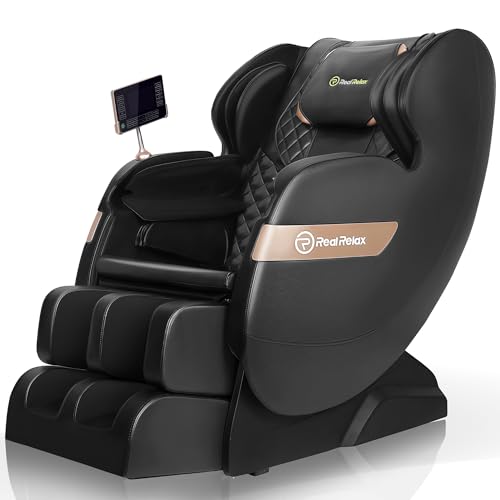
Circulation problems affect millions of people, creating symptoms ranging from cold extremities and tingling to more serious health concerns. Poor blood flow affects how your body delivers oxygen and nutrients to tissues and removes waste products. While massage chairs aren't medical treatments for circulation disorders, the right features can support healthy blood flow and provide relief from the discomfort that poor circulation creates.


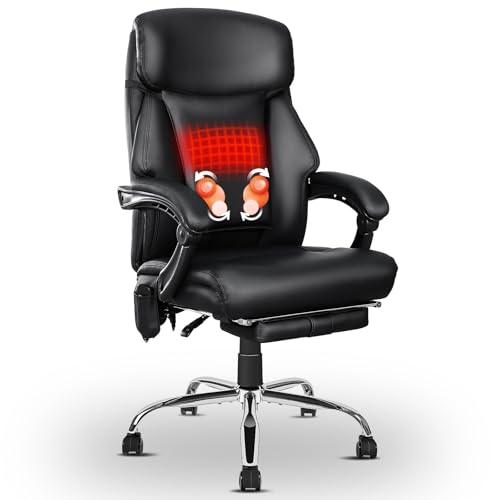
Understanding how circulation works, what affects it, and how massage can help guides you toward choosing a massage chair that genuinely supports circulatory health.

Table of Contents
Understanding Circulation and Blood Flow
How Blood Circulates
For more information, check out our guide on Best Zero Gravity Massage Chairs.
Your heart pumps oxygen-rich blood through arteries to every tissue in your body. After delivering oxygen and nutrients, the blood returns through veins, carrying away carbon dioxide and metabolic waste. This continuous cycle is essential for tissue health and function.
Arterial flow is powered by heart contractions—it flows with each heartbeat. Venous return, however, relies partly on skeletal muscle activity. When muscles contract, they squeeze veins and push blood back toward the heart. This is why sitting or standing without movement allows blood to pool in the lower legs.
What Causes Poor Circulation
Sedentary lifestyle is a primary cause of circulation problems. Prolonged sitting or standing without movement reduces the muscle contractions that help venous return. Blood pools in the extremities, particularly the legs, causing heaviness, swelling, and discomfort.
Medical conditions including peripheral artery disease, diabetes, and various vascular disorders affect circulation at the structural level. These conditions require medical treatment—massage chairs can provide comfort but don't address underlying disease.
Age naturally affects circulation as blood vessels become less elastic and the heart may pump less efficiently. While this is normal aging, its effects can be uncomfortable and benefit from supportive measures.
Cold temperatures constrict blood vessels, reducing flow to extremities. This is why hands and feet often feel cold in winter. Warming and massage can help counteract this constriction.
Signs of Poor Circulation
Common signs include cold hands and feet, numbness or tingling in extremities, swelling in the lower legs, fatigue or achiness in the legs, and slow-healing wounds. If you experience these symptoms regularly, consult with a healthcare provider to understand the cause before assuming massage alone will address the problem.
How Massage Supports Circulation
Mechanical Blood Movement
Massage physically moves blood through tissues. The pressing and releasing action of massage mimics the muscle contractions that help venous return. Compression pushes blood through vessels, and the release allows fresh blood to flow in. This mechanical action directly promotes blood movement in the massaged areas.
Vasodilation Effect
Massage stimulates blood vessels to dilate, increasing their diameter and allowing more blood to flow. This vasodilation effect can last beyond the massage session, providing extended circulation benefits. The increased flow delivers more oxygen to tissues and helps clear metabolic waste.
Heat and Blood Flow
Heat causes blood vessels to dilate. Massage chairs with heating features provide this vasodilation benefit in addition to the mechanical effects of massage. The combination of heat and compression is particularly effective for improving circulation.
Lymphatic Support
The lymphatic system removes waste and excess fluid from tissues. Unlike blood circulation, lymphatic flow has no pump—it relies entirely on muscle movement and massage-like pressure. Massage chair compression helps move lymphatic fluid, reducing swelling and supporting tissue health.
Key Massage Chair Features for Circulation
Comprehensive Leg Compression
The legs are where circulation problems most commonly manifest. Blood pools in the lower legs during sitting and standing, creating the heaviness and discomfort many people experience. Leg compression is the most important feature for circulation support.
Look for chairs with multiple airbag chambers in the calves that create wave-like compression patterns rather than simple squeezing. These sequential compression patterns push blood upward more effectively than static pressure. Some chairs extend compression to the thighs, providing even more comprehensive leg treatment.
Foot Massage
For more information, check out our guide on Best Massage Chairs with Air Compression.
The feet are the farthest extremity from the heart and often suffer most from circulation problems. Quality foot massage, including roller work on the soles and airbag compression around the feet, helps with blood flow to and from this distant area.
Foot massage also addresses the connection between foot health and overall leg circulation. Tight foot muscles and restricted movement in the feet can affect how blood flows through the entire lower leg.
Full-Body Coverage
While leg circulation is the most common concern, blood flows throughout your entire body. Chairs with comprehensive coverage—back, arms, and legs—provide systemic circulation benefits rather than just addressing the legs.
Arm compression addresses circulation to the hands, which can also suffer from poor blood flow. Some people experience cold hands more than cold feet, and arm massage addresses this concern.
Heat Features
Heat causes vasodilation throughout the warmed area. Look for chairs with heat in multiple locations—back, seat, and especially legs or calves. The more areas that receive heat, the more comprehensive the vasodilation benefit.
Leg heat specifically addresses the lower extremity circulation problems that are most common. Even if a chair has limited heat options, leg or calf heat provides significant benefit for circulation concerns.
Zero Gravity Positioning
Zero gravity positioning elevates the legs above the heart, using gravity to assist venous return. Blood that would otherwise pool in the legs flows more easily back toward the heart. This positioning provides circulation benefit even without active massage.
For people with significant lower leg circulation issues, the combination of zero gravity positioning with compression and heat provides maximum support for blood flow.
Adjustable Intensity
People with circulation problems may have varying sensitivity. Some need firm compression to feel benefit; others find high intensity uncomfortable, especially if they have accompanying nerve issues. Adjustable intensity lets you find effective treatment without discomfort.
Using Your Massage Chair for Circulation Support
Timing for Sedentary Workers
If you sit for work, use your massage chair after your workday to counteract hours of restricted movement. The compression and movement help address the blood pooling that developed during sitting. Evening sessions before bed also help with overnight circulation.
Timing for Standing Workers
People who stand for work experience different circulation stress—blood pools in the legs without the leg movement that walking provides. End-of-day massage with zero gravity positioning helps address this pooling.
Regular Usage for Chronic Issues
If you have ongoing circulation concerns, regular daily use provides more benefit than occasional sessions. The effects of massage on circulation are temporary—consistent daily use maintains the benefits rather than letting them lapse.
Session Length
Longer sessions provide more opportunity for blood movement and vasodilation. If circulation is your primary concern, consider 20-30 minute sessions focused on the legs rather than brief full-body programs. The extended time in compression helps with meaningful blood movement.
Combining Positioning and Massage
For more information, check out our guide on Best Massage Chairs with Heating.
Use zero gravity positioning throughout your massage sessions. The combination of elevation with compression maximizes circulation benefit. Even after the massage ends, remaining in zero gravity position for additional time extends the benefit.
Medical Considerations
When to Consult a Doctor
If you have significant circulation symptoms—substantial swelling, wounds that won't heal, severe coldness, or numbness—consult with a healthcare provider before relying on massage chair treatment. These symptoms may indicate conditions that require medical intervention.
Massage chairs support healthy circulation and provide comfort, but they don't treat circulation diseases. Understanding what's causing your symptoms helps you know whether massage is appropriate and what other treatment you might need.
Conditions Requiring Caution
Deep vein thrombosis (DVT) or history of blood clots may make leg compression inappropriate without medical guidance. Compression could potentially dislodge clots, creating serious health risks. If you have clotting history, consult with your doctor before using leg compression features.
Severe peripheral artery disease may require careful evaluation of whether massage is appropriate. Significant arterial disease affects how tissues respond to compression.
Diabetes-related circulation and nerve problems may affect sensation and response to massage. People with diabetic complications should consult healthcare providers about massage chair use.
Massage as Complement to Medical Treatment
For many circulation issues, massage chairs complement rather than replace medical treatment. Compression stockings, medications, and lifestyle changes may be primary treatments, with massage providing additional support and comfort. Work with your healthcare providers to understand how massage fits into your overall circulation management.
Lifestyle Integration
Movement Throughout the Day
Massage chairs help with circulation, but they work best as part of an overall approach that includes movement. Regular walking, leg exercises during sitting breaks, and avoiding prolonged static positions all support healthy blood flow. Massage chair sessions enhance these habits rather than replacing them.
Hydration
Proper hydration supports healthy blood flow. Blood that's adequately hydrated flows more easily than blood thickened by dehydration. Drink adequate water throughout the day to support the circulation benefits your massage chair provides.
Temperature Management
Keep extremities warm when possible, as cold causes vasoconstriction that restricts blood flow. The heating features in your massage chair help, but overall temperature management—warm socks, keeping the home warm—supports circulation throughout the day.
What to Expect
Massage chairs can improve symptoms of poor circulation—reducing the heaviness, achiness, and discomfort that blood pooling creates. You may notice warmer extremities after sessions as blood flow improves. Swelling may reduce, particularly with regular use and zero gravity positioning.
However, massage chairs don't cure circulation diseases or replace medical treatment. They provide comfort and support, not medical intervention. Set realistic expectations about what massage can and cannot do for your specific situation.
Budget Considerations
Quality massage chairs with the compression and heat features needed for circulation support typically cost $2,000-5,000. Chairs at the lower end may have adequate leg compression but limited heat options. Higher-end chairs typically provide more comprehensive features.
For circulation specifically, prioritize leg massage quality over other features. A chair with excellent leg compression but average back massage serves circulation needs better than the reverse.
Conclusion
Massage chairs can meaningfully support healthy circulation through compression that moves blood, heat that dilates vessels, and positioning that aids venous return. Comprehensive leg massage, quality foot treatment, heat in multiple locations, and zero gravity positioning together provide systemic circulation support. For people with sedentary lifestyles, minor circulation concerns, or cold extremities, the right massage chair provides daily relief that improves comfort and supports tissue health. For more serious circulation conditions, work with healthcare providers to understand what role massage can appropriately play in your treatment approach.
For more information, check out our guide on Best Massage Chair for Circulation.