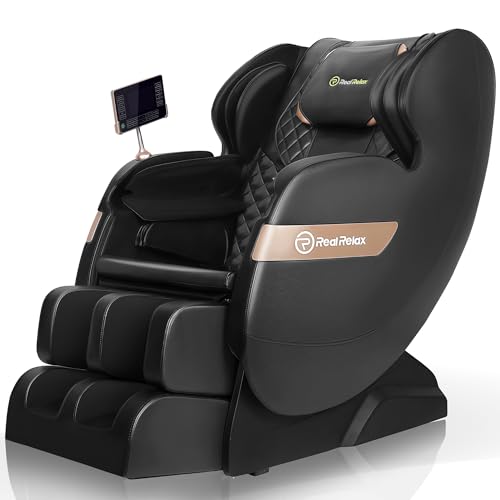
Chronic fatigue syndrome (CFS/ME) creates debilitating exhaustion that does not improve with rest. Accompanying muscle pain, brain fog, and activity intolerance make management challenging. While massage chairs cannot cure chronic fatigue, appropriate use may help manage muscle pain and provide relaxation without the energy expenditure of traveling to appointments. For CFS patients, having therapeutic options available at home is particularly valuable.


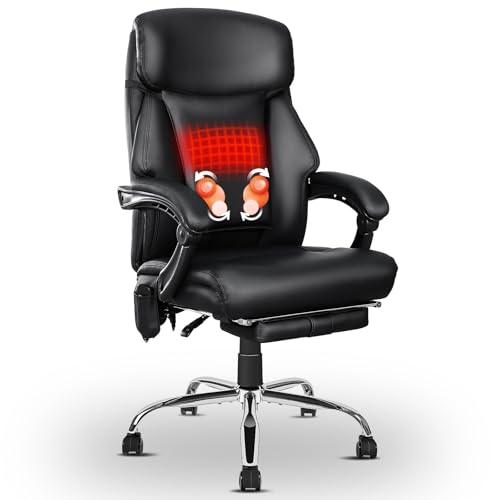
The muscle pain and tension common in chronic fatigue respond to massage, though CFS patients must be careful not to overdo it. Post-exertional malaise, the hallmark crash that follows activity, can be triggered by treatments that would be harmless for healthy people. Massage chairs used conservatively may provide benefit without the energy cost of other activities.

Table of Contents
Understanding Chronic Fatigue and Massage
The relationship between chronic fatigue and massage is complex and individual.
Muscle Pain Relief: The myalgia common in CFS often responds well to gentle massage. Releasing muscle tension may provide meaningful comfort improvement.
Relaxation Benefits: The stress reduction from massage may support overall management, as stress often worsens CFS symptoms.
Post-Exertional Concerns: Even passive treatments can sometimes trigger post-exertional malaise in sensitive patients. Careful pacing is essential.
For more information, check out our guide on Best Massage Chair for Chronic Back Pain.
Home Accessibility: Having massage available at home eliminates the energy cost of traveling to appointments, which may make the difference between access and inability to receive treatment.
Top Massage Chairs for Chronic Fatigue
1. Human Touch WholeBody 7.1 for Gentle Treatment
The Human Touch WholeBody 7.1 emphasizes gentle, restorative massage that may suit CFS patients. The FlexGlide technology provides smooth, flowing motion rather than aggressive kneading.
Very low intensity settings allow treatment gentle enough that it may not trigger post-exertional symptoms in most patients. Starting with the gentlest settings and observing your response helps establish safe parameters.
The recliner-style design provides comfortable rest positioning even when not actively massaging. CFS patients can relax in the chair between brief massage sessions without needing to relocate.
2. Osaki OS-Pro Soho with Comprehensive Control
The Osaki OS-Pro Soho provides the detailed control CFS patients need to customize massage to their tolerance. The 4D mechanism at its lowest settings provides barely-there massage that may be well tolerated.
Individual zone control lets you focus on areas that need attention while avoiding others that might be too sensitive. This customization helps maximize benefit while minimizing risk.
You might also find helpful: Best Massage Chair for Chronic Pain.
The relaxation programs are designed for calming rather than invigoration, which aligns better with CFS management goals. Deep relaxation without stimulation is often what CFS patients need most.
3. Real Relax Favor-06 for Accessible Home Massage
Real Relax provides effective massage at a more accessible price point. For CFS patients on limited incomes due to illness, this accessibility matters.
The adjustable intensity includes gentle settings appropriate for sensitive users. The air compression massage provides a different sensation than roller massage, and some CFS patients tolerate one type better than the other.
Zero gravity positioning reduces physical stress on the body, creating a resting position that may be comfortable for extended periods.
Pacing with Massage Chairs
CFS patients must pace all activities, including massage. Key strategies include:
Start Short: Begin with sessions of just 5-10 minutes. Extend only if you tolerate brief sessions without any post-exertional effects.
Related reading: Best Massage Chair for Lower Back Pain Relief.
Observe Delays: Post-exertional malaise may not appear immediately. Wait 24-48 hours after sessions to assess your response before increasing.
Build Slowly: If well tolerated, increase session length very gradually over weeks, not days.
Have Bad Day Protocols: On difficult symptom days, reduce or skip massage rather than pushing through.
Features for Chronic Fatigue Management
Certain features prove particularly valuable for CFS patients.
Very Gentle Settings: The ability to select extremely low intensities is essential for patients prone to post-exertional effects.
Comfortable Rest Position: Chairs that are comfortable to simply rest in, not just receive massage, provide more utility.
See also: Best Massage Chair for Sciatica Pain.
Simple Controls: Brain fog makes complex interfaces difficult. Straightforward operation helps during cognitively impaired periods.
Frequently Asked Questions
Can massage chairs help with chronic fatigue energy levels?
Massage chairs are unlikely to improve energy directly but may help with pain and tension that drain energy. Some patients find the relaxation supportive of better rest.
How do I know if massage is triggering post-exertional malaise?
Watch for symptom worsening 12-72 hours after massage. If symptoms increase in this window, reduce intensity and duration of future sessions.
Is heat therapy safe for chronic fatigue patients?
Most CFS patients tolerate gentle heat well, and many find it soothing. However, temperature regulation can be affected in CFS, so monitor your response.
Conclusion
For chronic fatigue patients, massage chairs provide accessible home treatment that may help manage muscle pain without the energy cost of appointments. Conservative use with careful pacing allows potential benefits while minimizing risk of triggering post-exertional effects.
The Human Touch WholeBody 7.1 offers the gentleness CFS patients need. For more control over intensity and zones, the Osaki OS-Pro Soho provides customization options to tailor massage to individual tolerance.