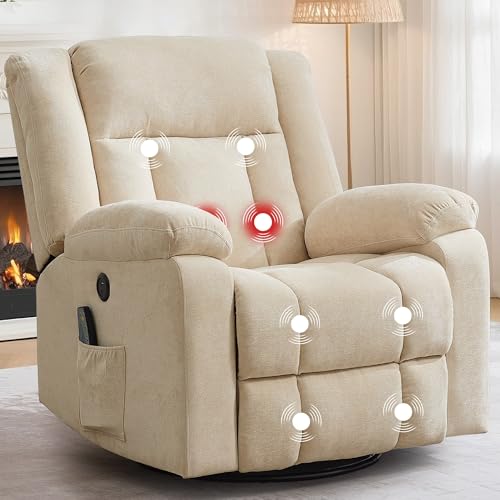
Massage chairs are generally safe for healthy adults, but certain conditions and situations require caution or avoidance. Understanding when massage chair use is appropriate, when to modify usage, and when to avoid it entirely helps you enjoy benefits safely. This guide covers comprehensive safety considerations to help you make informed decisions about massage chair use for yourself and household members.


Most massage chair safety concerns relate to underlying health conditions rather than the chairs themselves. Quality chairs from reputable manufacturers include safety features like auto-shutoff timers, intensity limits, and pressure sensors. However, individual health factors can make otherwise safe massage inappropriate for some users. The key is understanding your own health status and consulting healthcare providers when uncertainty exists.

Table of Contents
General Safety for Healthy Adults
For healthy adults without significant medical conditions, massage chairs present minimal risk when used according to manufacturer guidelines. The massage mechanisms in quality chairs are designed to provide therapeutic benefit without causing harm to normal tissue and musculature.
Basic safe usage practices include: following manufacturer-recommended session durations, typically 15-30 minutes; respecting intensity guidelines rather than immediately using maximum settings; staying hydrated before and after sessions; and taking appropriate breaks between extended use periods.
The body adapts to massage over time. New users often find moderate intensity sufficient, while experienced users may prefer stronger settings. Starting gently and increasing gradually allows your body to adapt without adverse reactions.
Post-massage soreness can occur, similar to soreness after exercise or professional massage. Mild soreness indicates the massage worked deep tissue and is normal. Severe soreness or pain lasting more than a day or two suggests the intensity was too high for your current tolerance.
Healthy adults can typically use massage chairs daily without problems. Some people prefer every-other-day schedules to allow muscle recovery between sessions. Listen to your body and adjust frequency based on how you feel.
Cardiovascular Conditions
For more information, check out our guide on Best Massage Chairs for Lower Back Pain.
Heart Disease and Heart Attack History
Those with heart disease or history of heart attack should consult their cardiologist before using massage chairs. While massage can promote relaxation and potentially support cardiovascular health, certain aspects may be inappropriate for compromised hearts.
The concern relates to how massage affects blood pressure and heart rate. Deep massage can temporarily increase blood pressure and heart rate. For healthy hearts, this is inconsequential. For damaged hearts, the additional stress may be significant.
Zero gravity positioning, which elevates legs above heart level, changes blood distribution patterns. This is beneficial for most people but may require cardiac patient evaluation. The position affects blood return to the heart in ways that healthy hearts handle easily but compromised hearts may not.
If your cardiologist approves massage chair use, they may recommend specific limitations: gentler intensity settings, shorter sessions, avoiding certain positions, or skipping air compression that affects leg circulation.
Uncontrolled High Blood Pressure
Uncontrolled hypertension presents risks during massage. Blood pressure may spike during intense massage, creating potential problems for already-elevated pressure. The combination of physical stress and the relaxation that follows creates blood pressure variability.
If your blood pressure is well-controlled with medication, massage chairs are typically safe with your doctor's approval. The distinction matters: managed hypertension differs significantly from uncontrolled high pressure.
Blood Clots and Deep Vein Thrombosis
Active blood clots or history of deep vein thrombosis (DVT) is a serious contraindication. Massage can dislodge clots, potentially causing them to travel to lungs or brain with life-threatening consequences.
Leg compression features are particularly concerning for clot risks. Air compression squeezes legs in ways that could mobilize existing clots. Even if no known clots exist, those with clotting history should consult hematologists before using massage chairs.
If cleared by your doctor, you may need to avoid leg compression features while using back and neck massage safely. Medical guidance determines what's appropriate for your specific situation.
Varicose Veins
Varicose veins require caution with leg compression. The damaged vein walls are more susceptible to pressure effects. Gentle compression may actually help circulation, but aggressive squeezing could cause discomfort or complications.
Those with varicose veins should use lower intensity settings on leg massage and monitor for any adverse reactions. Discomfort, swelling, or skin changes warrant stopping leg massage and consulting a doctor.
Pacemakers and Cardiac Devices
Pacemakers and implanted defibrillators generally don't create absolute contraindications for massage chairs, but consultation with your cardiologist is advisable. The concern is less about massage itself and more about electrical components in some chairs.
Chairs with electromagnetic features should be evaluated relative to your specific device. Your cardiologist can advise whether your particular pacemaker has any relevant concerns with massage chair electronics.
Bone and Joint Conditions
Osteoporosis
Osteoporosis weakens bones, making them susceptible to fracture under stress that healthy bones would easily handle. The massage pressure in chairs can potentially stress fragile bones, particularly in the spine.
Mild osteoporosis may allow massage chair use at reduced intensity. Moderate to severe osteoporosis may contraindicate massage chair use entirely. Bone density test results and physician guidance determine what's appropriate.
If your doctor approves massage chair use with osteoporosis, stick to gentle settings. Avoid aggressive deep tissue programs. Monitor carefully for any pain during or after sessions that might indicate bone stress.
Recent Fractures or Bone Injuries
Healing fractures should not receive massage pressure. The healing bone needs stability, not mechanical stress. Even fractures distant from massage areas affect overall body healing processes.
Wait until fractures are fully healed and your doctor clears you before resuming massage chair use. "Fully healed" means complete bone union, not just pain subsiding. Your orthopedist determines when healing is sufficient.
Arthritis Considerations
Arthritis presents a complex picture for massage chair use. Gentle massage can help arthritis symptoms by improving circulation, relaxing muscles around affected joints, and reducing pain perception. Aggressive massage can aggravate inflamed joints and worsen symptoms.
For most arthritis sufferers, massage chairs are beneficial with appropriate settings. Use gentler programs, avoid maximum intensity, and pay attention to how your joints respond. If massage worsens joint symptoms, reduce intensity or duration.
During active arthritis flares with hot, swollen joints, massage may be inappropriate until inflammation subsides. Chronic stable arthritis responds differently than acute flares.
Spinal Conditions and Recent Back Surgery
For more information, check out our guide on Best Massage Chairs for Arthritis.
Spinal conditions vary widely in how they interact with massage. Mild conditions like general stiffness often benefit from massage. Serious conditions like herniated discs, spinal stenosis, or recent surgery require medical evaluation before massage chair use.
After back surgery, follow your surgeon's guidance about when massage is appropriate. Some procedures require weeks or months of healing before massage can safely resume. Premature massage could compromise surgical repairs.
For ongoing spinal conditions, physical therapists and spine specialists can advise which massage techniques help versus which might aggravate your specific situation.
Joint Replacements
Artificial joints don't preclude massage chair use, but consult with your surgeon about any specific precautions. The replaced joint itself is metal and plastic that massage doesn't affect. The concern relates to surrounding tissue and surgical site healing.
After full recovery from joint replacement, most patients can use massage chairs normally. The replaced joint doesn't create ongoing limitations once healed.
Skin and Tissue Conditions
Open Wounds and Surgical Incisions
Never massage over open wounds, recent surgical incisions, or areas with stitches. Massage pressure can disrupt healing, introduce infection, or cause pain. Wait until wounds are fully closed and healed before including those areas in massage.
For localized wounds, you may be able to use the chair while avoiding the affected area. Back massage may be fine while a leg wound heals, for example. Use judgment about what areas can safely receive pressure.
Skin Infections and Rashes
Active skin infections should not receive massage. The pressure and friction could spread infection or worsen irritation. Rashes from any cause - allergic, infectious, or inflammatory - warrant avoiding massage until resolved.
If the affected area is limited, massage elsewhere may be acceptable. Widespread skin conditions suggest waiting until the condition clears.
Burns and Sunburn
Burned skin, including sunburn, should not receive massage pressure. The damaged skin is painful and vulnerable. Heat features in massage chairs could worsen burn effects. Wait until burns fully heal before resuming massage.
Bruises and Acute Injuries
Fresh bruises indicate bleeding under the skin. Massage pressure could worsen bleeding and extend bruising. Allow bruises to progress through their healing color changes (purple to yellow to resolved) before massaging those areas.
Acute muscle injuries like strains need rest, not massage, initially. After the acute phase passes - typically 48-72 hours for minor injuries, longer for serious ones - gentle massage may help recovery. Severe injuries require medical guidance about when massage becomes appropriate.
Pregnancy Considerations
Pregnancy creates unique considerations for massage chair use. The developing fetus and maternal body changes require careful evaluation of what's appropriate at each stage.
First Trimester Concerns
Some practitioners recommend avoiding massage during the first trimester when miscarriage risk is highest. While no evidence directly links massage to miscarriage, the precautionary principle leads some to recommend waiting until the second trimester.
Others consider gentle massage acceptable throughout pregnancy with appropriate modifications. There's no medical consensus requiring first-trimester avoidance, but discussing with your OB-GYN provides personalized guidance.
General Pregnancy Precautions
If using massage chairs during pregnancy: stick to gentle settings only, avoid pressure on the lower back and abdomen, skip certain pressure points traditionally associated with inducing labor, and avoid foot and ankle compression which some believe affects uterine activity.
As pregnancy progresses, the physical comfort of massage chairs changes. Third-trimester pregnant women may find massage chairs uncomfortable regardless of safety considerations simply because the positions don't accommodate their bodies well.
Always Consult Your OB-GYN
For more information, check out our guide on Best Zero Gravity Massage Chairs.
Your obstetrician knows your pregnancy's specific circumstances. Medical conditions during pregnancy, high-risk factors, or your particular health situation may affect massage recommendations. Individual guidance trumps general advice.
Absolute Contraindications
Some conditions should avoid massage chairs entirely until resolved or medically approved:
Active blood clots or DVT: Risk of clot dislodging is too serious to accept.
Acute illness with fever: The body is fighting infection and doesn't need additional stress. Rest is more appropriate than massage.
Bleeding disorders: Massage can cause bruising even in healthy people. Bleeding disorders amplify this risk significantly.
Cancer without oncologist approval: Some cancer patients benefit from massage; others should avoid it. Only your oncology team can determine what's appropriate for your situation.
Severe osteoporosis: Fragile bones may not tolerate even gentle massage pressure.
Recent surgery until cleared: Surgical sites need healing time. Your surgeon determines when massage can safely resume.
Any condition your doctor says contraindicates massage: Medical professionals who know your health situation are the ultimate authority on what's safe for you.
Safe Usage Practices
Duration Guidelines
Most manufacturers recommend 15-20 minute sessions. This provides therapeutic benefit without overworking tissue. Extended sessions can cause soreness or fatigue the next day.
Avoid exceeding 30 minutes in a single session even if you feel fine during the massage. Cumulative effects appear after the session ends. Multiple shorter sessions serve better than one very long one.
New users should start with 10-15 minutes and increase as they learn their tolerance. What feels good during massage may produce excessive soreness if the duration was too long for your current adaptation level.
Intensity Progression
Start with lower intensity settings, even if you think you want deep tissue work. Your tolerance for massage intensity develops over time. Beginning too aggressively can produce significant soreness and discourage continued use.
Increase intensity gradually over weeks of use. Once adapted to moderate intensity, you can explore deeper settings. The body's massage tolerance increases like exercise tolerance - through progressive exposure.
Pain during massage indicates too much intensity. Massage should produce a "good hurt" sensation - pressure that's intense but pleasant. Sharp pain, flinching, or tensing against the massage signals you should reduce intensity.
Hydration
Drink water before and after massage sessions. Massage promotes circulation and can release metabolic waste from tissues. Adequate hydration supports the body in processing what massage releases.
Dehydration before massage may worsen post-massage soreness. The metabolic effects of massage work better in a well-hydrated system.
Signs to Stop and Seek Help
Stop using the massage chair and consult a healthcare provider if you experience:
Sharp or unusual pain during or after massage: Pain that seems wrong or different from normal massage sensation warrants evaluation.
Numbness or tingling that persists: Temporary sensations during massage are normal; lasting numbness is not.
Dizziness or fainting: Blood pressure changes from massage shouldn't cause these symptoms in healthy people.
Unusual swelling: Swelling in areas that received massage may indicate tissue damage.
Skin discoloration beyond mild redness: Bruising or unusual color changes warrant attention.
Any symptom that concerns you: Trust your instincts. If something seems wrong, get it checked.
Children and Elderly Users
Children
Most massage chairs are designed for adult bodies and adult tolerance levels. Children should not use adult massage chairs unsupervised. The intensity settings appropriate for adults may be too aggressive for children.
Some manufacturers specify minimum ages, often 14-16 years. Follow these guidelines when provided. Younger children may enjoy sitting in the chair without massage functions activated.
If older children use massage chairs, ensure they use gentle settings and shorter durations. Supervise to prevent experimentation with intense programs.
Elderly Users
Older adults often benefit significantly from massage but may need modified approaches. Age-related changes in skin, bone, and tissue affect massage tolerance.
Use gentler settings than what younger users might prefer. Monitor for bruising, which occurs more easily in aging skin. Ensure the elderly person can easily enter and exit the chair to prevent falls.
Check with healthcare providers about specific conditions common in elderly populations. Many older adults have cardiovascular conditions, arthritis, or other factors that benefit from medical guidance before massage use.
The Bottom Line
Massage chairs are safe for most healthy adults following proper usage guidelines. Those with cardiovascular conditions, bone disorders, skin issues, or other medical concerns should consult healthcare providers before use. Follow manufacturer recommendations for duration and intensity, start gently and progress gradually, and stop immediately if concerning symptoms occur. With appropriate precautions based on your individual health situation, massage chairs provide safe, beneficial relaxation and therapeutic massage. When in doubt about whether massage is appropriate for your specific health circumstances, consult with your doctor before purchasing or using a massage chair.
For more information, check out our guide on Best Massage Chairs for Value and Quality.