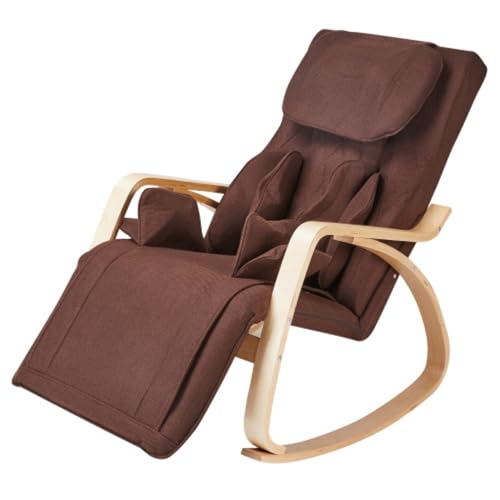
Healthcare work breaks down your body in ways that most people don't understand until they've lived it. Twelve-hour shifts on your feet, lifting and repositioning patients, the constant physical demands of providing care take a cumulative toll that leads many nurses and healthcare workers to chronic pain and early career burnout. A quality massage chair can be a critical recovery tool, helping you maintain the physical condition necessary for a demanding career while others depend on you.


The unique physical stresses of healthcare work require specific features in a massage chair. Understanding what nurses and healthcare workers need helps you find chairs that actually address your problems rather than just providing generic relaxation.

Table of Contents
Physical Demands of Healthcare Work
Lower Back Stress
For more information, check out our guide on Best Massage Chairs for Lower Back Pain.
Patient handling creates extraordinary lower back strain. Even with proper technique and lift assist equipment, nurses regularly move and support body weight in positions that stress the lumbar spine. The bending, twisting, and reaching required throughout shifts accumulates into chronic lower back issues that affect most healthcare workers eventually.
Standing for extended periods adds to the lower back burden. Unlike office workers who can shift positions freely, nurses often can't take breaks when needed. Your lower back supports your body weight hour after hour, with minimal opportunity for recovery during the shift.
The repetitive nature of patient care compounds the problem. Each transfer, each position adjustment, each time you help someone stand adds another increment of strain. Over weeks and months, these increments build into the chronic back problems that plague healthcare workers at rates far exceeding the general population.
Leg and Foot Fatigue
Walking miles per shift on hard hospital floors creates foot and leg fatigue that rest alone doesn't fully resolve. Compression stockings help during shifts, but the muscle tension and joint stress need active recovery. Many nurses develop plantar fasciitis, varicose veins, and chronic leg soreness from the constant standing and walking.
The calves take particular punishment. They work constantly to support your posture and propel you through corridors. Without proper recovery, calf tightness becomes chronic and can contribute to other issues including knee and hip problems.
Hospital floors are unforgiving surfaces designed for easy cleaning, not comfort. The lack of cushioning means every step transmits full impact through your feet and legs. Over a twelve-hour shift, that impact accumulates into deep fatigue that ordinary rest doesn't address.
Upper Body Tension
Reaching, lifting, and the stress positions required for patient care create tension throughout the upper body. Shoulder muscles stay engaged constantly, particularly during patient handling. The neck and upper back tighten from the sustained effort and the emotional stress that healthcare work inherently involves.
Documentation demands add another dimension to upper body strain. Charting at computer stations, often in poorly designed workstations, creates neck and shoulder tension that compounds the physical stress of direct care. Many nurses spend hours at documentation, adding static tension to the dynamic stress of patient handling.
Emotional Stress and Physical Manifestation
Healthcare work carries emotional weight that manifests physically. The stress of patient outcomes, the demands of working short-staffed, and the emotional labor of caring for others creates tension patterns that overlay the physical stress of the work itself. This stress-related tension responds well to massage but often requires different approaches than purely physical tension.
The constant vigilance required in healthcare keeps your body in a state of readiness that never fully relaxes during shifts. This sustained alertness creates muscle tension throughout your body, particularly in the neck, shoulders, and jaw. Many healthcare workers don't realize how much tension they carry until they finally have the opportunity to release it.
Essential Features for Healthcare Workers
Comprehensive Lower Body Coverage
Given the leg and foot fatigue healthcare workers experience, chairs with excellent lower body massage are particularly valuable. Look for L-track coverage that extends under the glutes, combined with effective calf and foot massage. Air compression in the legs and feet provides additional relief that roller massage alone cannot deliver.
Foot rollers that actually massage the soles of your feet, not just air bags that squeeze, address the specific foot fatigue from walking on hard floors. Test foot massage specifically when evaluating chairs. Many chairs advertise foot massage but deliver only weak airbag compression that doesn't help with the plantar fatigue nurses experience.
Calf massage deserves special attention. Air compression that kneads and squeezes the calves addresses the chronic tightness that standing and walking create. Look for chairs with robust calf coverage, not just token airbags that provide minimal benefit.
Strong Lumbar Programs
Lower back massage needs to be both effective and adjustable. Some days you need intense deep tissue work; other days gentler massage suits your state better. Chairs with wide intensity ranges serve healthcare workers better than those with limited adjustment.
Heat in the lumbar region adds significant value for lower back recovery. The combination of heat and massage is more effective than either alone for the type of lower back strain healthcare work creates. Look for chairs with dedicated lumbar heating that maintains consistent temperature throughout your session.
The massage mechanism matters for lower back effectiveness. 3D or 4D rollers that can vary depth and pressure provide more therapeutic benefit than basic 2D mechanisms that only move up and down. For the serious back strain healthcare workers develop, deeper tissue penetration makes a meaningful difference.
Quick Recovery Programs
After a twelve-hour shift, you may not have energy for a lengthy massage session before collapsing into bed. Chairs with effective 15-20 minute programs provide meaningful recovery without requiring extended time. Having both quick and comprehensive options lets you adapt to your energy level and available time.
The reality of nursing schedules means recovery time competes with basic needs like eating, showering, and sleeping. Programs that deliver real benefit in short time frames make the difference between actual use and good intentions that never happen. Test the short programs specifically to verify they provide genuine relief rather than abbreviated versions of longer sessions.
Zero Gravity Benefits
For more information, check out our guide on Best Massage Chairs for Sciatica.
Zero gravity positioning reduces pressure on your spine and improves circulation to your legs. After hours of standing, reclining with legs elevated provides relief that sitting upright cannot match. Good zero gravity implementation feels like taking weight off your entire body.
Multiple zero gravity positions allow finding the angle that provides most relief for your particular stress pattern. Some nurses find slight elevation works best; others prefer full recline. Chairs with adjustable zero gravity let you customize positioning to your needs.
Top Massage Chairs for Healthcare Workers
Osaki OS-Pro Maestro LE
The Osaki OS-Pro Maestro LE provides the comprehensive coverage and intensity that healthcare workers need. The 4D roller mechanism delivers deep tissue work capable of addressing the serious muscle tension nursing creates. The L-track coverage extending from neck through glutes means one session can address all your major stress areas.
The dual air pumps power effective leg and foot compression that specifically addresses lower extremity fatigue. The foot rollers work the plantar surface rather than just squeezing, providing relief for the foot pain that walking on hard floors creates. Calf massage is robust enough to make a difference in chronic calf tightness.
Quick programs allow meaningful recovery even when you have limited time and energy. The intensity adjustability means you can use gentler settings when you're exhausted and more intensive programs on days off when you have energy for deeper work.
Luraco i9 Max
The Luraco i9 Max's medical-grade construction and FDA registration make it appropriate for healthcare workers who take their equipment seriously. Made in USA manufacturing provides quality consistency that matters for a recovery tool you'll depend on daily.
The therapeutic targeting allows specifying problem areas rather than accepting generic programs. For nurses with specific problem areas like chronic lower back or shoulder issues, this precision matters. The body scanning customizes massage to your particular anatomy rather than assuming average positioning.
The build quality supports years of regular use without degradation. Healthcare workers who invest in quality recovery equipment expect it to last, and Luraco's construction standards deliver the durability that justifies the premium price.
Infinity IT-8500 X3
The Infinity IT-8500 X3 provides excellent features at more accessible pricing for healthcare workers mindful of budget. The 3D/4D massage mechanism delivers effective deep tissue work without the premium price of top-tier models. The L-track coverage addresses the full posterior chain that nursing stresses.
Air compression throughout the body, including effective calf and foot massage, addresses the lower extremity fatigue healthcare workers experience. The heated lumbar support adds value for lower back recovery. Quick programs allow efficient recovery when time is limited.
The value proposition makes quality massage chair ownership realistic for nurses who can't afford premium prices but still need effective recovery tools. The feature set addresses healthcare worker needs without requiring top-of-market investment.
Human Touch Super Novo
The Human Touch Super Novo provides gentler massage options that suit healthcare workers who prefer relaxation-focused recovery. The Cloud Touch technology creates soothing massage that promotes overall relaxation rather than aggressive deep tissue work. For nurses who want stress relief more than intense muscle work, this approach works well.
The quiet operation suits evening use when you want to unwind without additional noise. The programs focus on relaxation and stress relief, complementing the high-stress environment of healthcare work. The premium construction ensures reliable performance over years of use.
Practical Considerations
Scheduling Massage Into Your Routine
The best massage chair won't help if you don't use it. With demanding schedules that include nights, weekends, and irregular hours, building consistent massage into your routine requires intention. Many healthcare workers find that using their chair immediately after arriving home, before showering or eating, ensures they actually use it rather than letting fatigue take over.
Even brief sessions have value when used consistently. Ten minutes of massage daily provides more benefit than occasional hour-long sessions. The chair should be easy to use when you're exhausted, with simple controls and programs you can start without thinking.
Consider how your schedule affects usage patterns. Night shift workers may use their chair at different times than day shift colleagues. Weekend coverage affects when you have time for longer sessions. Build recovery time into your schedule rather than hoping to find it spontaneously.
Space Considerations
For more information, check out our guide on Best Massage Chairs for Neck and Shoulder Pain.
Nurses and healthcare workers often live in apartments or smaller homes where space is limited. Consider the chair's footprint and clearance requirements. Wall-hugger designs that don't require much rear clearance are practical for tighter spaces.
If you share your home with family or roommates, consider whether others will use the chair too. Features that accommodate different body types and preferences become more valuable when multiple people use the same chair.
Noise Levels
After a stressful shift, you may want a quiet environment. Some massage chairs are quite loud, which can interfere with relaxation. If quiet operation matters to you, test noise levels specifically or look for reviews that mention sound levels.
Addressing Specific Healthcare Worker Issues
Sciatica and Nerve Pain
Many healthcare workers develop sciatica or other nerve-related pain from the physical demands of their work. While massage chairs aren't treatment for these conditions, appropriate massage can help manage symptoms. Look for chairs that allow you to avoid or reduce intensity in areas where nerve pain is aggravated.
Neck and Headache Relief
Tension headaches are common among healthcare workers due to the combination of physical and emotional stress. Chairs with effective neck massage can help prevent and relieve tension headaches. Look for chairs where the neck massage actually reaches the base of your skull rather than stopping at your shoulders.
Emotional Decompression
Beyond physical recovery, massage chairs provide a space for emotional decompression. The forced relaxation of sitting in a massage chair, away from screens and demands, helps process the emotional aspects of healthcare work. Some healthcare workers find that their massage chair time becomes important mental health maintenance, not just physical recovery.
Budget Considerations
Quality massage chairs that meet healthcare worker needs typically range from $2,000 to $5,000. This is a significant investment, but consider the context. Lost income from injuries, medical treatment for chronic pain, and reduced quality of life all cost more than a massage chair over time.
If budget is tight, prioritize features that address your specific issues rather than trying to get everything. A chair with excellent lower back and leg massage serves most healthcare workers better than one with more features but weaker performance in those critical areas.
Some employers offer wellness benefits or HSA/FSA programs that can offset massage chair costs. Check what options might be available to you before assuming you need to pay entirely out of pocket.
Long-term Career Sustainability
Healthcare careers often end prematurely due to accumulated physical damage. Proper recovery tools extend your working years by maintaining your body's ability to handle the demands of care. The investment in recovery equipment pays dividends in extended earning capacity and quality of life.
Think of a massage chair as preventive maintenance rather than a luxury. You maintain your car to keep it running; maintaining your body is even more important. The healthcare workers who enjoy long careers are often those who prioritize recovery alongside their demanding work.
What to Look For
Comprehensive lower body coverage including effective foot and calf massage. Strong lumbar programs with adjustable intensity and heat. Quick recovery programs for use after exhausting shifts. Zero gravity positioning for spinal decompression and leg elevation. L-track coverage reaching through the glutes. Durable construction for daily use. Easy operation when you're exhausted. Quiet operation for relaxation. Body scanning for personalized positioning.
Final Thoughts
Nursing and healthcare work create physical stress that requires active recovery management. The right massage chair addresses the specific issues healthcare workers face, including lower back strain, leg and foot fatigue, and the physical manifestation of emotional stress. The Osaki OS-Pro Maestro LE provides comprehensive coverage with the intensity healthcare workers need. The Luraco i9 Max delivers medical-grade quality for those willing to invest in premium equipment. The Infinity IT-8500 X3 offers excellent value for budget-conscious nurses. Prioritize lower body coverage, strong lumbar programs, and features that support realistic use patterns given your schedule. The investment in proper recovery supports both your career longevity and your daily quality of life.
For more information, check out our guide on Best Massage Chair for Nurses and Healthcare Workers.