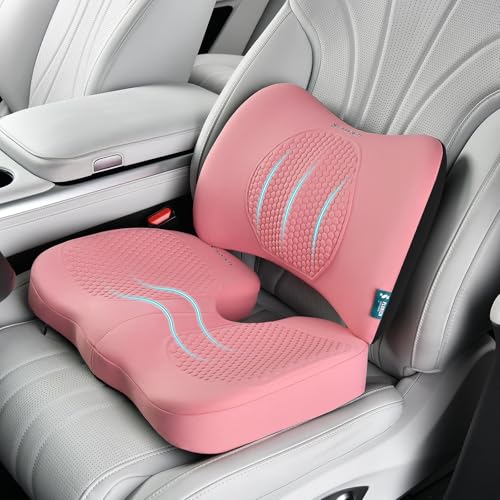
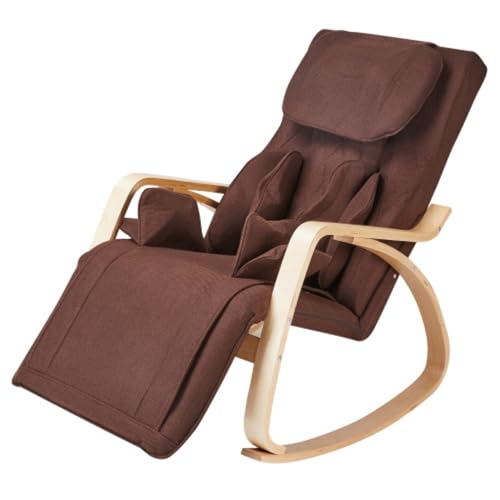
Nursing and healthcare work creates a specific pattern of physical strain that few other professions match. Twelve-hour shifts on your feet, lifting and repositioning patients, constant bending and reaching, and the emotional weight of caring for sick and injured people - this combination wears down even the healthiest bodies. A massage chair provides the daily recovery that helps nurses and healthcare workers stay functional through demanding careers.


This guide covers the particular physical challenges healthcare workers face and which massage chair features address them most effectively.

Table of Contents
Physical Demands of Healthcare Work
Extended Standing and Walking
For more information, check out our guide on Best Massage Chairs for Lower Back Pain.
Most nursing shifts involve 10-12 hours on your feet with limited sitting. Walking miles through hospital corridors, standing at bedsides, and constantly moving between patients creates significant leg and foot fatigue. The cumulative impact of hours on hard hospital floors damages joints over time.
Patient Lifting and Repositioning
Despite lifting devices and policies, nurses still physically handle patients - turning them in bed, helping them stand, catching patients who lose balance. This lifting stresses the lower back, shoulders, and arms. Back injuries are the most common occupational injury in nursing.
The lifting is often awkward - reaching across beds, supporting patients at strange angles, lifting with one side of the body. These awkward loads create uneven stress that's worse than symmetrical lifting.
Bending and Stooping
Working with patients in beds, starting IVs, wound care, reaching low supplies - healthcare requires constant bending. This repeated flexion strains the lower back and hip flexors. By career end, many nurses have significant disc and joint issues.
Repetitive Tasks
Documentation, medication administration, and patient care involve repetitive arm and hand motions. Carpal tunnel, tennis elbow, and shoulder problems develop from these repeated movements.
Stress Response
The emotional stress of healthcare work creates physical tension. Witnessing suffering, making critical decisions, and dealing with difficult situations keeps muscles chronically tightened. This stress-related tension compounds the physical strain from job demands.
Shift Work Effects
Rotating shifts disrupt sleep patterns that affect muscle recovery. Night shift nurses often can't maintain the consistent rest needed for physical recovery. This sleep disruption worsens the impact of physical strain.
Key Features for Healthcare Workers
L-Track Coverage
Lower back problems are nearly universal in nursing. L-track systems that extend under the seat address the entire posterior chain - lower back, glutes, and upper thighs. This comprehensive coverage treats the areas most affected by patient lifting and constant bending.
Strong Lumbar Treatment with Heat
The lumbar region takes the worst beating in healthcare work. Quality lumbar massage with heat provides essential treatment for this vulnerable area. Don't settle for weak lumbar coverage - this is where you need the chair to excel.
Comprehensive Leg and Foot Massage
Hours of standing create leg fatigue and foot pain that needs daily attention. Look for chairs with thorough calf compression and effective foot rollers. The leg rest matters as much as the back for healthcare workers.
Multiple airbag chambers in the calves provide better circulation support than minimal compression. Foot rollers should cover the entire sole with adequate pressure.
Shoulder and Neck Focus
Awkward lifting and documentation postures create shoulder and neck tension. The chair should effectively treat the upper back and shoulders - not just pass over them briefly. Adjustable shoulder width matters since different body sizes need different positioning.
Arm Massage
Healthcare work stresses arms from lifting, repetitive tasks, and documentation. Arm massage through airbag compression helps with this occupational strain. This feature isn't universal, so specifically verify arm coverage if it matters to you.
Zero Gravity Position
After standing all shift, taking pressure off the spine provides significant relief. Zero gravity positioning distributes weight evenly and decompresses the spine. Most healthcare workers find this position essential rather than optional.
Deep Tissue Capability
For more information, check out our guide on Best Massage Chairs for Chronic Pain.
Healthcare builds strong muscles that require powerful massage to penetrate. Look for 3D or 4D roller technology with significant depth options. Massage that feels adequate to office workers may feel weak to nurses who've spent years in physically demanding work.
Usage Patterns for Healthcare Workers
Post-Shift Recovery
After a 12-hour shift, a thorough massage session helps prevent the day's strain from becoming tomorrow's injury. Run a comprehensive program addressing the entire body. 20-30 minutes gives muscles the recovery attention they need.
This post-shift routine should be non-negotiable rather than optional. Consistent daily recovery prevents accumulation of strain that leads to chronic problems.
Pre-Shift Preparation
Starting shifts already tight sets you up for problems. A brief morning session loosens overnight stiffness and prepares muscles for the demands ahead. Keep pre-shift sessions shorter - 10-15 minutes at moderate intensity.
Day Off Deep Recovery
Days off provide opportunity for longer, more intensive recovery. Extended sessions with deep tissue work address strain that quick daily sessions don't fully resolve. Use days off for catch-up recovery.
Between Shift Sets
Many healthcare workers do shift clusters - several days on, then several off. Use the first off day for intensive recovery, then maintain with regular sessions until the next shift set.
Practical Considerations
Timing with Shift Schedules
Night shift nurses may use massage differently than day shift. Evening massage before sleep supports rest. Post-night-shift massage in the morning helps with daytime sleep quality. Match your massage timing to your shift pattern.
Energy for Massage
Coming home exhausted after 12 hours, you might not feel like doing anything. The beauty of a massage chair is it requires nothing from you except sitting down. Build the habit despite fatigue - the recovery is worth the minimal effort of settling into the chair.
Space and Location
Place the chair where you'll actually use it. Convenient location supports consistent use. If the chair is in a room you rarely enter, you won't use it enough to benefit.
Budget Considerations
Investment Perspective
Quality massage chairs cost $3,000-5,000 for models with the features healthcare workers need. This is significant money, but consider alternatives: regular professional massage costs add up quickly, physical therapy visits aren't free, and lost work from injury is expensive.
A chair that helps you work pain-free for years provides enormous value beyond daily comfort.
Career Longevity Value
Nursing careers often end prematurely due to physical breakdown - back injuries, joint problems, chronic pain. A massage chair that helps maintain your body extends your working years. The financial value of additional working years dwarfs the chair's cost.
Quality Matters
For more information, check out our guide on Best Zero Gravity Massage Chairs.
For therapeutic needs, cheap chairs disappoint. Budget chairs often lack the power and coverage healthcare workers require. Spending more on a chair that actually works for your needs provides better value than an inadequate bargain.
Complementary Practices
Proper Body Mechanics
Massage treats damage after it occurs. Using proper lifting technique prevents some damage from happening. Training in body mechanics reduces strain that massage then doesn't need to address.
Stretching
Brief stretches during shifts and after massage extend the benefits. Hip flexor stretches and shoulder opening movements counteract the positions healthcare work requires.
Supportive Footwear
Quality shoes with proper support reduce leg and back strain. Compression stockings help with circulation during long shifts. Good footwear complements what massage provides.
Sleep Prioritization
Recovery happens during sleep. Despite shift work challenges, prioritizing sleep quality supports physical recovery. Evening massage improves sleep, creating positive cycles.
What Other Healthcare Workers Say
Common Benefits Reported
Healthcare workers who own massage chairs consistently mention lower back relief as the biggest benefit. Leg and foot recovery comes up frequently. Many report better sleep after evening massage. The stress relief component helps with the emotional demands of the work.
Career Impact
Some nurses credit massage chairs with extending their careers. The ability to recover daily rather than accumulating damage keeps them working when colleagues their age are breaking down.
Chair Selection Tips
Test Specifically for Your Needs
During shopping, evaluate the chair's performance on your specific problem areas. If your lower back is your main issue, focus on lumbar treatment quality. If foot pain is worst, evaluate the foot massage specifically.
Don't Prioritize Appearance
Sleek-looking chairs may perform poorly compared to less attractive alternatives. Function matters more than form for therapeutic purposes.
Check Durability
Healthcare workers use chairs heavily. Daily use by physically demanding users tests durability. Look for robust construction and strong warranty coverage.
What to Look For
L-track roller coverage from neck through glutes. Strong lumbar massage with heat. Comprehensive leg and foot treatment. Effective shoulder and neck coverage. Arm massage capability. Zero gravity positioning. Deep tissue intensity options. Durable construction with solid warranty.
Final Thoughts
Healthcare work takes a predictable physical toll that massage chairs can meaningfully address. The combination of standing fatigue, lifting strain, and stress-related tension responds well to daily massage treatment. For nurses and healthcare workers, a quality massage chair isn't a luxury but an investment in career sustainability. Choose a chair that addresses your specific issues - particularly lower back, legs, and shoulders for most healthcare workers. Use it consistently after shifts to prevent strain accumulation. The daily recovery a massage chair provides helps you stay in a demanding profession that your body would otherwise force you to leave.
For more information, check out our guide on Best Massage Chair Pads and Seat Cushions.