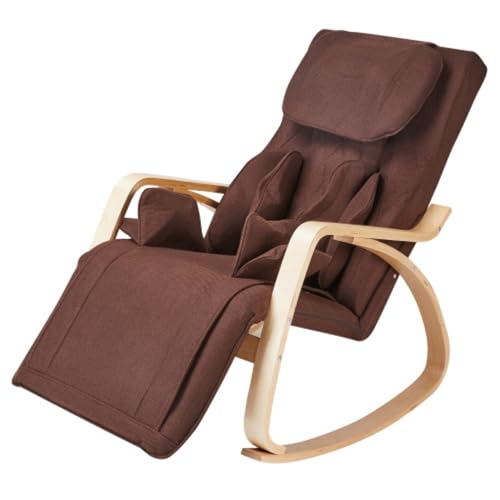
Medical offices and healthcare settings present unique requirements for massage chairs that differ significantly from home use. These environments serve diverse patient populations, require equipment that meets hygiene standards, need durability for high-volume use, and must consider liability and regulatory factors. A massage chair selected for healthcare settings should enhance patient care while meeting the practical demands of professional use.


This guide covers what makes massage chairs suitable for medical environments, key selection criteria, and important considerations for healthcare facilities.

Table of Contents
Why Massage Chairs in Healthcare Settings
Patient Comfort and Experience
For more information, check out our guide on Best Massage Chairs for Lower Back Pain.
Medical visits often involve waiting, anxiety, and physical discomfort. A massage chair in waiting areas provides positive distraction and comfort that improves the overall patient experience. Patients who feel cared for in the waiting room carry that impression into their appointments.
For some practices—pain management, physical therapy, chiropractic, orthopedic—massage chairs complement treatment offerings. The chair provides therapeutic benefit between or in addition to practitioner-delivered care.
Staff Wellness
Healthcare workers experience significant physical stress. Nurses, technicians, and other staff often develop back pain, shoulder tension, and fatigue from their work. A massage chair in break rooms provides recovery that improves staff wellness and potentially reduces turnover and injury.
Practice Differentiation
A quality massage chair signals that the practice prioritizes patient comfort and invests in amenities. This differentiation can influence patient choice when selecting providers, particularly in competitive markets.
Key Requirements for Healthcare Settings
Hygiene and Sanitation
Healthcare environments demand equipment that can be properly cleaned between uses. Upholstery materials must withstand regular disinfection without degradation. Leather and high-quality synthetic leather clean more easily and durably than fabric.
Consider how the chair design affects cleaning. Crevices, seams, and hard-to-reach areas can harbor pathogens. Simpler designs with accessible surfaces clean more thoroughly than complex constructions with hidden areas.
Removable, washable headrest covers provide additional hygiene management. Some chairs offer antimicrobial fabric treatments that reduce bacterial growth between cleanings.
Durability for High-Volume Use
A chair in a busy waiting room may see 20-50 uses per day—far more than typical home use. Components must be engineered for this intensity. Commercial-rated chairs designed for high-volume environments provide the durability healthcare settings require.
Look for chairs with robust frames, commercial-grade motors, and reinforced upholstery. The warranty terms often indicate expected durability—longer warranties suggest manufacturer confidence in the chair's ability to withstand heavy use.
Diverse User Accommodation
Medical office patients vary widely in age, size, and physical condition. The chair must accommodate this diversity—from elderly patients with mobility limitations to larger individuals who exceed typical weight limits to patients with various physical conditions that affect how they can use the chair.
Wide height and weight ranges, extensive adjustability, and gentle intensity options at minimum settings help accommodate diverse populations. Body scanning that accurately identifies different body types ensures proper roller positioning for varied users.
Ease of Operation
Patients shouldn't need staff assistance to operate the chair. Simple, intuitive controls with clear labeling allow independent use. Automatic programs with one-button starts eliminate confusion about settings.
Consider patients who may have limited vision or dexterity. Large buttons, clear labels, and simple interfaces improve accessibility. Chairs with voice control or very straightforward controls may work better in patient areas.
Safety Features
Healthcare settings must minimize injury risk. Look for chairs with gentle intensity options that won't harm sensitive patients, automatic shutoffs after reasonable session lengths, smooth transitions between positions, and stable construction that won't tip.
Emergency stop buttons that immediately halt all movement provide safety for patients who experience distress during massage. Easy exit from reclined positions matters for patients with mobility limitations.
Regulatory and Liability Considerations
Medical Device Classifications
In most jurisdictions, massage chairs are classified as consumer wellness devices, not medical devices. This distinction affects how they can be marketed and used. Chairs shouldn't be presented as treatment for specific medical conditions unless they're actually cleared for such use.
If you're considering using massage chairs as part of therapeutic treatment, understand the regulatory implications. Some practices integrate massage chairs into treatment plans; others keep them as amenities separate from clinical care.
Patient Screening
Develop protocols for identifying patients who shouldn't use massage chairs. Contraindications may include recent surgery, pregnancy in certain stages, some cardiovascular conditions, and various other factors. Posted guidelines and staff awareness help prevent inappropriate use.
Liability Insurance
Consult with your insurance carrier about coverage implications of offering massage chairs to patients. Most practices find adequate coverage exists within existing policies, but verification prevents surprises.
Consent and Waivers
For more information, check out our guide on Best Massage Chairs with Body Scanning.
Consider whether patients should sign waivers before using massage chairs. Legal requirements vary by jurisdiction and practice type. When in doubt, consult with legal counsel about appropriate documentation.
Placement Considerations
Waiting Room Installation
Waiting room chairs serve patients and companions during waiting time. Consider visibility from the reception desk for monitoring, adequate electrical access, and appropriate space for the chair's footprint including recline clearance.
Positioning affects use. A chair in a prominent location gets more use than one tucked in a corner. Consider traffic flow and whether patients can comfortably access the chair without disrupting others.
Treatment Room Integration
Chairs used as part of treatment require different considerations. Practitioner access to patients while in the chair, integration with other treatment equipment, and documentation of use for patient records all matter.
Staff Break Room Placement
Staff-only chairs can be higher intensity models that might not be appropriate for general patient populations. Placement should encourage use without creating scheduling conflicts or interruptions.
Specific Healthcare Settings
Physical Therapy Practices
Physical therapy settings may use massage chairs as warm-up before treatment, cool-down after therapy, or as home exercise recommendations. Integration with therapeutic goals guides selection—features that address common PT patient needs like back and leg massage may take priority.
Chiropractic Offices
Chiropractors may use massage chairs to relax muscles before adjustment or as a standalone service. Strong back massage capability and easy access to the spine during recline support chiropractic integration.
Pain Management Clinics
Pain patients often benefit from massage between treatments. Chairs with gentle intensity options, comprehensive coverage of common pain areas, and heat therapy align with pain management goals.
Dental Offices
Dental anxiety is common, and massage chairs in waiting areas can help patients relax before procedures. Compact chairs that fit dental office footprints and relatively short programs appropriate for typical wait times work well.
Hospitals and Large Facilities
Hospitals may place chairs in various locations—family waiting areas, rehabilitation departments, employee wellness areas. Different locations may justify different chair types based on user populations and use patterns.
Maintenance Requirements
Regular Cleaning Protocols
Establish cleaning procedures appropriate for your setting's infection control requirements. Daily surface cleaning with approved disinfectants, periodic deep cleaning, and immediate cleaning of visible contamination maintain hygiene.
Preventive Maintenance
For more information, check out our guide on Best Massage Chairs with Heating.
High-volume use requires regular maintenance to prevent breakdowns. Establish inspection schedules for mechanical components, upholstery condition, and electrical connections. Preventive maintenance costs less than emergency repairs and reduces downtime.
Service Contracts
Consider service contracts with the manufacturer or authorized service providers. These contracts ensure access to trained technicians, may cover parts and labor for repairs, and provide priority service that minimizes downtime.
Replacement Planning
Healthcare equipment has finite lifespan. Plan for replacement before chairs become unreliable or unsightly. Typical commercial massage chair lifespan with heavy use is 5-7 years. Budget accordingly for eventual replacement.
Budget Considerations
Commercial-rated massage chairs suitable for healthcare settings typically cost $4,000-10,000. This premium over consumer chairs reflects the durability, hygiene features, and reliability healthcare use requires.
Consider total cost of ownership including purchase, installation, service contracts, cleaning supplies, and eventual replacement. Cheaper chairs may have higher long-term costs if they require frequent repair or early replacement.
The return on investment may come through patient satisfaction, practice differentiation, staff wellness benefits, or billable therapeutic services depending on how the chair is used.
Vendor Selection
Healthcare Experience
Work with vendors experienced in healthcare equipment. They understand the requirements, can guide appropriate selection, and provide ongoing support suited to professional environments.
Warranty and Support
Verify warranty terms and support availability. Healthcare operations need responsive service—extended downtime affects patient experience. Choose vendors with demonstrated service capability.
References and Verification
Request references from other healthcare facilities using the chairs you're considering. Verify that the chairs perform as expected under similar use conditions.
Implementation Best Practices
Staff Training
Train staff on chair operation, basic troubleshooting, cleaning procedures, and patient guidance. Staff who can answer patient questions and address minor issues improve the patient experience.
Patient Guidelines
Post clear guidelines about who should and shouldn't use the chair, time limits per session, and basic operating instructions. Written guidelines reduce staff burden and improve safety.
Usage Monitoring
Track usage patterns to inform future decisions. High utilization may justify additional chairs; low utilization may indicate placement or awareness problems. Usage data supports replacement and budgeting decisions.
Conclusion
Massage chairs in healthcare settings require consideration of hygiene, durability, diverse user accommodation, safety, and regulatory factors that don't apply to home use. Selecting appropriate chairs and implementing proper protocols ensures the chairs enhance patient experience and staff wellness while meeting professional standards. The investment pays returns through improved satisfaction, practice differentiation, and potential therapeutic benefits when chairs are properly selected and maintained for healthcare environments.
For more information, check out our guide on Best Massage Chairs for Chiropractic Offices.