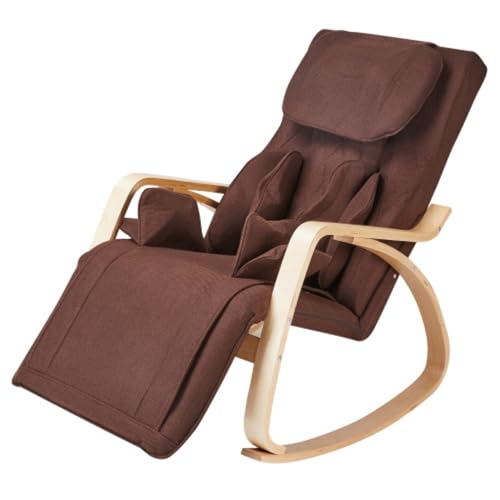
The master bedroom offers compelling advantages for massage chair placement—privacy, proximity to relaxation and sleep, and the ability to create a personal retreat space. Unlike living rooms where family traffic may interrupt sessions, the bedroom provides a sanctuary where you can fully unwind. However, bedroom placement introduces unique considerations around space, aesthetics, and how the chair integrates with your existing sleep and relaxation routines.


This guide covers master bedroom massage chair placement strategies, design considerations, and how to maximize both therapeutic benefit and bedroom functionality.

Table of Contents
Why the Master Bedroom Works
Privacy and Relaxation
For more information, check out our guide on Best Deep Tissue Massage Chairs.
The master bedroom is inherently private—a space already dedicated to rest and personal time. Adding a massage chair extends this purpose, creating a complete relaxation environment. You can use the chair in whatever you're wearing, at any hour, without concern about interrupting or being interrupted by household activity.
This privacy particularly benefits evening use. End-of-day massage transitions naturally to sleep when the chair is steps from your bed. The relaxation doesn't dissipate during a walk through the house.
Sleep Connection
Using a massage chair before bed can improve sleep quality through relaxation and tension release. Bedroom placement makes this sleep-supporting use effortless. You can enjoy a pre-sleep session and move directly to bed while still in a relaxed state.
Morning sessions work similarly—address overnight stiffness immediately upon waking before starting your day. The convenience of bedroom access makes both morning and evening routines practical.
Personal Retreat Creation
A bedroom with a massage chair becomes more than a sleep space—it's a personal spa retreat. The combination of comfortable bed, massage chair, and whatever other comforts you include creates a multi-purpose sanctuary for complete relaxation.
Space Planning Considerations
Measuring Requirements
Massage chairs require significant floor space. Typical requirements are 3-4 feet in width and 5-7 feet in depth including recline clearance. Measure your intended space carefully before purchasing. Wall-hugger designs reduce depth requirements but still need several feet.
Consider not just the chair's footprint but the space needed around it—room to walk past, to enter and exit comfortably, and to access controls. Cramped placement makes the chair unpleasant to use regardless of the massage quality.
Maintaining Bedroom Function
The chair shouldn't compromise the bedroom's primary purpose. Ensure adequate space around the bed for movement and making the bed. Maintain access to closets, bathrooms, and windows. The chair adds to the room's function; it shouldn't subtract from existing functionality.
Optimal Placement Zones
Corner placement: Corners often provide ideal massage chair locations. The chair has natural boundaries on two sides, feels anchored rather than floating, and typically doesn't interfere with traffic patterns. A corner reading nook can be enhanced with a massage chair.
Near windows: Natural light during daytime use and the option to look outside can enhance relaxation. However, consider sun exposure that might fade upholstery over time. Window treatments may be needed.
Foot of bed area: If space permits, the area at the foot of the bed works well. You can face the bed's entertainment setup (if present) while using the chair. This placement often has good traffic flow around it.
Alcoves and nooks: Many master bedrooms have architectural features—alcoves, bump-outs, or defined sitting areas—that naturally accommodate a massage chair. These built-in spaces provide defined zones.
What to Avoid
Avoid blocking access to closets or the bathroom. Don't position where the chair must be stepped around constantly. Avoid placing directly adjacent to the bed if it crowds the sleeping area. Don't block windows that provide primary light and ventilation.
Design and Aesthetic Integration
Style Coordination
Massage chairs come in various styles—modern minimalist, traditional cushioned, sporty designs, and more. Choose a chair that complements your bedroom's existing aesthetic. A sleek contemporary chair may clash with traditional bedroom furniture; a bulky design may overwhelm a delicate, minimalist space.
Color matters significantly. Neutral colors (black, brown, gray, beige) work in most settings. Bold colors make design statements but limit flexibility. Match or intentionally contrast with your existing furniture depending on your design approach.
Creating a Focal Point vs. Blending In
Decide whether the massage chair should be a design focal point or blend into the background. As a focal point, position it prominently with accent lighting or artwork nearby. To minimize visual impact, place it in less prominent locations and choose colors that recede.
Accessories and Integration
For more information, check out our guide on Best Massage Chairs for Sleep.
Consider accessories that help the chair fit your room. Side tables for beverages or books. A small rug to define the massage area. Lighting—perhaps a floor lamp—that creates appropriate ambiance. These accessories help the chair feel integrated rather than dropped into the space.
Managing Visual Bulk
Massage chairs are substantial furniture pieces. In smaller bedrooms, this bulk may feel overwhelming. Lighter colors appear less massive. Wall-hugger designs that sit closer to walls appear more compact. Raising the chair on a low platform can actually make it seem more intentional and less intrusive.
Electrical and Practical Requirements
Power Access
Massage chairs require electrical outlets. Plan placement around existing outlet locations or budget for having an electrician add outlets where needed. Extension cords across traffic paths create tripping hazards and look unsightly.
Consider cord management—how will the power cord route from outlet to chair? Built-in cord channels or furniture placement to hide cords maintains clean aesthetics.
Floor Protection
Heavy massage chairs can dent soft carpeting or damage certain flooring types. Furniture pads under the chair's base protect floors. Hard flooring types typically handle chair weight without issues.
Noise Considerations
Massage chairs produce motor sounds during operation. In a bedroom, consider whether these sounds will disturb a sleeping partner or conflict with the room's quiet atmosphere. Quieter chairs exist—test noise levels before purchasing if this concerns you.
Using the chair while a partner sleeps may or may not work depending on chair noise and partner sensitivity. Discuss this before purchasing if shared bedroom use is planned.
Maximizing Bedroom Massage Chair Use
Pre-Sleep Routine
Develop a relaxing pre-sleep routine incorporating the massage chair. Perhaps 15-20 minutes of massage, followed by light stretching, then directly to bed. This consistent routine signals to your body that sleep is approaching, potentially improving sleep onset and quality.
Choose relaxation-focused programs for evening use. Intense deep tissue work may be too stimulating before sleep. Gentle, calming programs with heat support the wind-down process.
Morning Awakening
Morning sessions can help transition from sleep to wakefulness. Brief, moderate-intensity massage addresses overnight stiffness and increases alertness. This can replace or supplement caffeine for morning energy.
Weekend Retreat Sessions
Weekend mornings offer opportunity for longer, more indulgent sessions. Extended massage followed by reading, meditation, or simply relaxing creates spa-like experiences without leaving home.
Partner Considerations
If sharing the bedroom, discuss chair use expectations. When can each partner use it? What about noise during the other's sleep? Who gets priority for the prime evening wind-down time? Addressing these questions prevents conflicts.
Alternative Bedroom Approaches
For more information, check out our guide on Best Massage Chairs for Relaxation.
Guest Room Placement
If your master bedroom can't accommodate a massage chair, consider a guest room. This provides privacy while keeping the master bedroom uncluttered. The guest room becomes a dedicated relaxation space when not hosting guests.
Master Bathroom Suite
Large master bathroom suites sometimes include sitting areas suitable for massage chairs. This placement creates true spa-like atmosphere, though electrical considerations in bathroom-adjacent spaces require attention.
Adjacent Sitting Room
Some master suites include adjacent sitting rooms or office spaces. These areas can house the massage chair with easy access from the bedroom while keeping the sleeping area clear.
Specific Bedroom Challenges
Small Bedrooms
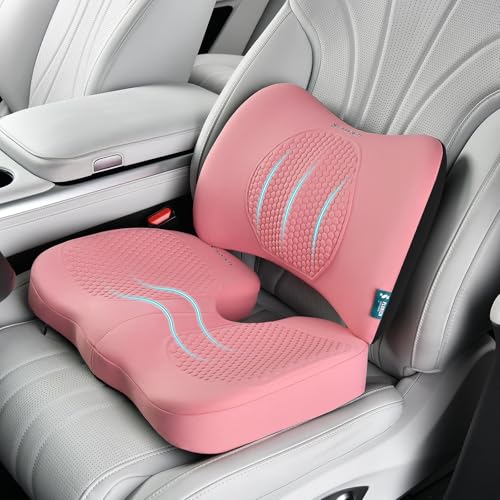
Small bedrooms may genuinely not accommodate full-size massage chairs. Consider compact chair models with smaller footprints. Alternatively, massage chair pads that add massage capability to existing furniture take no additional floor space.
Oddly Shaped Rooms
Unusual room shapes may actually help—odd corners or alcoves that don't suit other furniture may perfectly fit a massage chair. Map your space carefully; apparent challenges may be opportunities.
High-Traffic Bedrooms
Bedrooms used frequently throughout the day (for example, if you work from the bedroom) require different placement consideration than bedrooms used only for sleep. The chair needs to not interfere with daily activities while remaining accessible for use.
Investment and Value Considerations
Bedroom Enhancement Value
A massage chair genuinely enhances bedroom quality of life. The investment improves a space where you spend significant time. Unlike living room placement visible to guests, bedroom placement provides purely personal value.
Sleep Quality Impact
If bedroom placement improves your sleep through relaxation before bed, the health benefits justify significant investment. Quality sleep affects everything—energy, mood, cognitive function, physical health. A massage chair supporting better sleep provides value far beyond relaxation pleasure.
Long-Term Commitment
Massage chairs are substantial furniture pieces not easily moved. Bedroom placement is a commitment to that room configuration. Ensure you're satisfied with the arrangement before finalizing placement.
Conclusion
Master bedroom massage chair placement creates a private relaxation retreat with natural connections to sleep and personal time. Success requires careful space planning that maintains bedroom functionality, design choices that integrate the chair aesthetically, and practical attention to electrical access and floor protection. The bedroom's inherent privacy and relaxation purpose makes it an excellent massage chair location for those with adequate space. Plan your placement thoughtfully, consider the visual and functional impacts, and create a personal sanctuary that supports both therapeutic massage and restful sleep.
For more information, check out our guide on Best Massage Chair Pads and Seat Cushions.