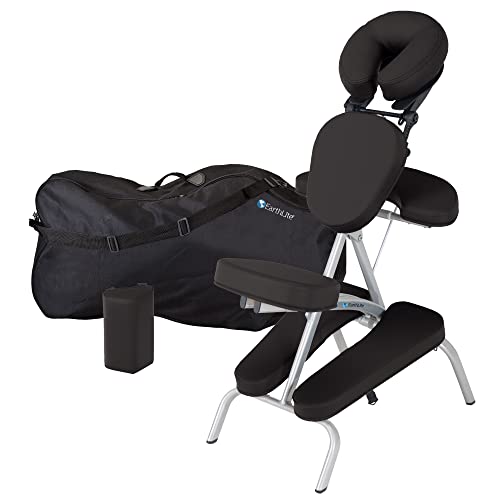
When you use your massage chair matters almost as much as how you use it. The same massage program can feel different and provide different benefits depending on whether you experience it at 6 AM or 10 PM, before or after exercise, or during a stressful workday versus a relaxed weekend. Understanding how timing affects your body's response to massage helps you get maximum benefit from every session.
This guide covers optimal timing for different goals, how to integrate massage into your daily schedule, and when to avoid massage chair use.
Table of Contents
Understanding Your Body's Daily Rhythms
Circadian Influences
For more information, check out our guide on Best Massage Chairs for Lower Back Pain.
Your body follows circadian rhythms—daily cycles that affect everything from alertness to muscle tension to pain sensitivity. These rhythms influence how you respond to massage at different times of day. Morning bodies differ from evening bodies in measurable ways.
Cortisol, your body's primary stress hormone, follows a daily pattern—highest in the morning to promote wakefulness, declining through the day. Muscle tension often follows a similar pattern, building through daytime activity and accumulating by evening. Your nervous system's baseline state varies throughout the day, affecting how deeply you can relax.
Individual Variation
While general patterns exist, individual variation matters significantly. Early birds and night owls have different optimal times for everything, including massage. Your work schedule, sleep patterns, and personal biology all influence when massage works best for you.
The recommendations below provide starting points—adjust based on your personal response and schedule constraints.
Morning Massage: Energizing Start
Benefits of Morning Sessions
Morning massage can address overnight muscle stiffness and prepare your body for the day ahead. Many people wake with tight muscles, particularly in the back and shoulders—gentle morning massage helps restore mobility and comfort before daily activities begin.
The alertness boost from morning massage may last for hours. Rather than the sedating effect of evening sessions, morning massage at moderate intensity can increase energy and mental clarity.
Best Morning Approach
Keep morning sessions shorter—15-20 minutes is often ideal. Use moderate rather than maximum intensity; you want to invigorate, not exhaust. Programs emphasizing circulation and gentle kneading work better than deep tissue programs that may leave you feeling worked over.
Focus on areas that stiffen overnight: neck, shoulders, lower back. Leg and foot massage helps get circulation moving to the extremities.
Who Benefits Most
Morning massage particularly benefits people who wake with stiffness or pain, those whose work requires immediate physical activity, and anyone wanting to reduce morning medication needs for chronic conditions. If your job involves physical labor or your commute is long and uncomfortable, morning preparation can make the whole day easier.
Timing Considerations
Allow time between massage and rushing out the door. A brief period of gentle movement after morning massage helps integrate the benefits. Budget 25-30 minutes total even for a 15-minute session.
Afternoon Massage: Midday Reset
Benefits of Afternoon Sessions
Afternoon massage can break up a long day, providing mental and physical reset when energy flags. The traditional afternoon energy dip—that 2-3 PM slump—responds well to massage, often better than caffeine.
For people who work at desks, an afternoon session addresses the accumulated tension from hours of sitting. The postural stress of computer work builds steadily; interrupting it with massage prevents the severe end-of-day tension that develops without breaks.
Best Afternoon Approach
Session length depends on your schedule—even 10 minutes provides meaningful break from desk posture. Moderate intensity addresses desk-related tension without making you groggy for the afternoon's remaining work.
Upper back, shoulder, and neck massage specifically targets where desk workers accumulate tension. If you can add foot massage, the reflexology benefit provides additional energy boost.
Practical Considerations
Afternoon massage requires either a home office situation or a chair at your workplace. If neither is available, this timing window may not be practical despite its benefits. Those who work from home have a significant advantage for afternoon sessions.
Split-Shift Approach
If full afternoon sessions aren't practical, consider a split approach: brief morning session to start the day and brief evening session to recover. This provides cumulative benefits without requiring midday availability.
Evening Massage: Recovery and Relaxation
Benefits of Evening Sessions
For more information, check out our guide on Best Massage Chairs with Heating.
Evening is the most popular time for massage chair use, and for good reason. After a full day of activity and stress, your body has accumulated tension that responds well to massage. The evening timing allows extended sessions without schedule pressure, and the relaxation effect transitions naturally into sleep.
Evening massage addresses the day's accumulated stress before it consolidates into chronic tension. Regular evening massage prevents the gradual buildup that creates persistent problems over weeks and months.
Best Evening Approach
Evening allows for longer sessions—20-30 minutes or more. You can use higher intensity since you don't need to maintain energy for activities. Heat therapy particularly suits evening sessions, adding comfort as the day winds down.
Full-body programs work well in the evening, addressing overall fatigue rather than targeting specific areas. Relaxation-focused programs rather than invigorating ones support the transition toward sleep.
Timing Relative to Sleep
End massage sessions at least 30-60 minutes before bed for optimal sleep. While massage promotes relaxation, the stimulation of the massage itself can temporarily increase alertness. Allow time for complete relaxation to set in before sleep.
Immediately pre-sleep massage works for some people but keeps others awake. Experiment to find your personal response.
Pre-Exercise Timing
Benefits of Pre-Workout Massage
Brief massage before exercise can warm up muscles, increase circulation, and prepare the body for physical activity. This preparation may reduce injury risk and improve workout performance by ensuring muscles are pliable and blood flow is optimized.
Approach and Duration
Keep pre-workout sessions short—10 minutes maximum. Use moderate intensity focused on areas you'll be training. The goal is preparation, not treatment—deep tissue work before exercise can actually impair performance.
Heat therapy can enhance the warm-up effect. Avoid maximum intensity or extended sessions that might fatigue muscles before your workout.
Timing Buffer
Allow 15-30 minutes between massage and exercise. This buffer lets any temporary muscle relaxation stabilize so you have appropriate muscle tone for your workout.
Post-Exercise Timing
Benefits of Post-Workout Massage
Post-exercise massage promotes recovery by enhancing blood flow when muscles most need nutrient delivery and waste removal. This timing takes advantage of already-elevated circulation to accelerate the recovery process.
Research suggests massage within 1-2 hours of exercise may reduce next-day soreness more effectively than delayed massage. The immediate post-workout window is valuable for those concerned about recovery.
Approach and Duration
Post-workout sessions can be longer—20-30 minutes. Focus on the muscle groups you trained. Intensity should be moderate for immediately post-workout sessions; save deep tissue work for rest days when muscles have recovered from acute exercise stress.
Practical Implementation
For those with home gyms, this timing is easy—move from workout to massage chair. For gym-goers, the delay getting home may push you outside the optimal immediate window. Even delayed post-workout massage provides benefit, just perhaps less than immediate treatment.
Special Timing Situations
Acute Pain or Injury
Timing around acute issues requires caution. Fresh injuries typically contraindicate massage for the first 24-72 hours. Once initial inflammation subsides, gentle massage may help—but timing and intensity require more conservative approaches than maintenance use.
Before Important Events
For more information, check out our guide on Best Massage Chairs with Foot Massage.
Massage before presentations, competitions, or other high-stakes events can reduce anxiety and promote calm focus. Time these sessions 1-2 hours before your event—immediate pre-event massage may be too relaxing for activities requiring sharp alertness.
During Illness
Avoid massage when acutely ill with fever. Once fever subsides, gentle massage may support recovery. Listen to your body—if massage makes you feel worse, postpone it.
Before Bed for Sleep Issues
If you use massage specifically to help sleep, timing matters significantly. Sessions ending 30-60 minutes before bed work best for most people. Experiment with your personal response—some people sleep best with immediate pre-bed massage while others need more buffer time.
Building a Regular Schedule
Consistency Benefits
Regular massage at consistent times provides cumulative benefits that occasional use doesn't match. Your body adapts to the routine, and tension doesn't have time to build significantly between sessions. Daily or every-other-day massage at the same time becomes a foundation for ongoing wellbeing.
Schedule Integration
Link massage to existing habits for better consistency. After-dinner massage creates a reliable evening routine. Post-workout massage connects to your exercise schedule. Morning massage with coffee creates a pleasant start to the day.
Flexibility Within Routine
While consistency helps, rigid adherence to timing isn't necessary. If your usual evening session isn't possible one day, morning or afternoon massage provides benefit. The best time is the time you'll actually use the chair.
When to Avoid Massage
General Contraindications
Avoid massage immediately after large meals—digestion requires blood flow that massage redirects. Wait 30-60 minutes after eating. Avoid massage when intoxicated—you can't accurately gauge intensity, and coordination for getting in and out may be compromised.
Medical Considerations
Certain conditions require timing modifications or massage avoidance. Recent surgery, acute injuries, fever, skin conditions, and various medical situations may contraindicate massage at any time. When in doubt, consult healthcare providers.
Finding Your Optimal Time
Experimentation Process
Try massage at different times over several weeks. Note how you feel during and after sessions, how well you sleep, and how your overall wellbeing responds. Patterns will emerge showing when massage works best for your body and schedule.
Goal-Based Timing
Your primary goal should guide timing decisions. Stress relief and sleep improvement suggest evening focus. Athletic recovery suggests post-workout timing. Pain management may work best at whatever time your pain typically peaks. Match timing to purpose.
Conclusion
The best time to use your massage chair depends on your goals, schedule, and personal response. Morning sessions prepare you for the day; afternoon sessions provide midday reset; evening sessions support recovery and sleep. Pre-workout massage warms up muscles while post-workout massage accelerates recovery. Build consistency into your routine while remaining flexible enough to use the chair when opportunity and need align. Experiment with different times, observe your response, and develop a timing pattern that delivers maximum benefit for your life and goals.
For more information, check out our guide on How to Choose the Right Massage Chair for Your Needs.