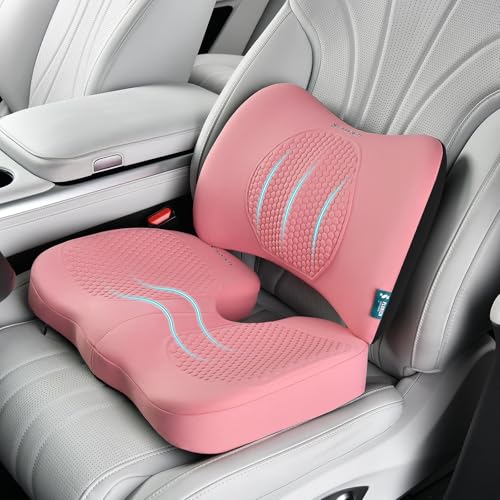
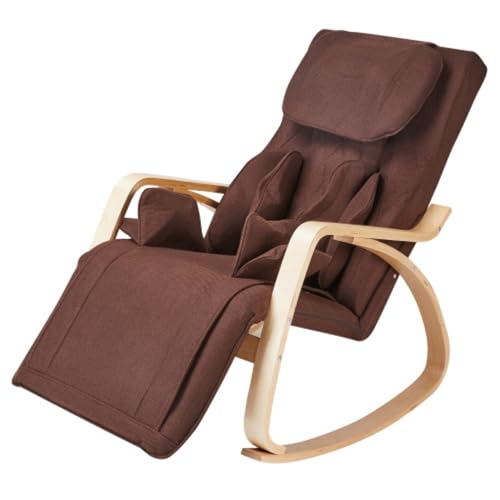
Portable massage chair pads offer massage benefits without the commitment of a full chair. These devices attach to existing seating - office chairs, couches, car seats - adding massage capability wherever you need it. For people who can't accommodate a full massage chair or want massage in multiple locations, pads provide a practical alternative that costs a fraction of full chair prices.


This guide covers what portable massage pads can and can't do, which types work best for different situations, and how to choose one that actually provides therapeutic value.

Table of Contents
What Massage Chair Pads Are
Basic Concept
For more information, check out our guide on Best Zero Gravity Massage Chairs.
A massage chair pad is a cushion containing massage mechanisms that sits on top of or attaches to existing seating. Rather than buying new furniture, you add massage capability to furniture you already own. The pad handles the massage; your existing chair handles the sitting.
Types of Mechanisms
Vibration pads: The simplest type, using vibrating motors throughout the pad. Provides buzzing sensation that some find relaxing but doesn't deliver deep tissue work.
Shiatsu pads: Use rotating nodes that simulate finger pressure. These provide actual kneading massage similar to roller systems in full chairs, though typically less powerful.
Rolling pads: Include rollers that travel up and down the back, similar to full chairs but in a thinner, portable format.
Combination pads: Include multiple mechanisms - perhaps shiatsu nodes in the back with vibration in the seat, or rolling massage with heat.
Coverage Areas
Most pads focus on the back and sometimes the seat. Some include neck massagers at the top. Premium pads may add vibration for thighs. None match the full body coverage of actual massage chairs, which is the primary trade-off for portability and price.
Advantages of Portable Pads
Cost
Quality massage pads cost $100-400, compared to $2,000-6,000 for full massage chairs. This price difference makes massage accessible to people for whom full chairs aren't financially practical.
Space
Pads require zero additional floor space since they use existing furniture. For small apartments, offices without room for dedicated massage chairs, or anyone who doesn't want another large piece of furniture, this matters significantly.
Portability
You can move pads between locations - home office to living room couch, house to car, office to home. A single pad can serve multiple locations. Some pads fold for storage or travel.
Multi-Location Use
Use the same pad on your office chair during work, couch while watching TV, and car seat during commutes. This flexibility provides massage access throughout your day rather than only when sitting in a dedicated chair.
Try Before Committing
A pad can help you evaluate whether regular massage helps your issues before investing in a full chair. If the pad helps, upgrading makes sense. If massage doesn't particularly benefit you, you've spent hundreds rather than thousands discovering this.
Limitations to Understand
Less Power and Depth
Pads can't match the massage power of full chairs. The mechanisms are smaller, lighter, and draw less power. Deep tissue work comparable to quality full chairs isn't possible with portable pads.
Limited Coverage
Back and sometimes neck - that's typically the extent of pad coverage. Full body massage including legs, feet, arms, and glutes requires a full chair. Pads address your back; everything else remains untreated.
Dependent on Base Seating
How a pad feels depends partly on what you're sitting on. A pad on a firm office chair feels different than the same pad on a soft couch. You need appropriate seating for the pad to work effectively.
Potential Slippage
Pads can shift during use, especially vigorous massage programs on smooth chair surfaces. Some secure better than others with straps or non-slip backing, but movement during use is a common complaint.
No Recline Features
For more information, check out our guide on Best Deep Tissue Massage Chairs.
Zero gravity positioning and recline are chair features, not pad features. The recline experience of a full massage chair doesn't exist with pads - you get whatever position your base seating provides.
Choosing the Right Pad
Match to Your Primary Use
Where will you use this most? Office use prioritizes quiet operation and professional appearance. Car use requires appropriate power options. Home use allows larger, more powerful pads. Identify your primary use case and select accordingly.
Mechanism Type
Vibration only provides relaxation but limited therapeutic benefit. Shiatsu nodes provide actual kneading massage. Rolling mechanisms simulate full chair roller action. For therapeutic value, look beyond vibration-only options.
Size and Shape
The pad must fit your body and your furniture. Tall people need pads with adequate vertical coverage. Narrow office chairs need narrower pads. Check dimensions against your seating and your body size.
Attachment Method
How does the pad secure to seating? Straps that loop around chair backs, elastic hooks, or simple friction backing. Better attachment means less shifting during use. For car use especially, secure attachment matters.
Power Source
Wall outlet: Provides consistent power for stronger massage. Limits where you can use the pad.
Car adapter: Enables vehicle use but power may be limited.
Battery: Maximum portability but weaker massage and limited runtime.
Multiple options: Some pads offer multiple power sources for flexibility.
Heat Feature
Heat significantly enhances massage effectiveness. Pads with heating elements provide better back relaxation than cold mechanical massage alone. This feature is worth prioritizing if you have chronic tension.
Noise Level
If you'll use the pad in an office or shared space, quiet operation matters. Some pads are surprisingly loud, making them impractical for professional environments. Check reviews or test in person for noise evaluation.
Types of Use
Office Use
Office pads should be quiet enough not to disturb colleagues, professional looking enough not to embarrass, and effective enough to actually help with desk-related tension. Look for shiatsu pads with multiple zones and heat, in neutral colors, with quiet motors.
The ability to use massage during work hours - even briefly - helps manage tension before it builds to problematic levels.
Car Use
Car massage pads must secure firmly to prevent dangerous shifting while driving. They need car power adapters. They should be comfortable for the duration of your typical drives. Some are designed specifically for vehicles with appropriate fit and power options.
Car pads help commuters who spend hours daily in vehicles, turning unproductive drive time into recovery time.
Home Use
Home pads can be larger and more powerful since noise and appearance matter less. Full-size pads for couches provide the most comprehensive treatment. Consider pads with rolling mechanisms that simulate full chair action.
Travel Use
Travel pads fold compactly and run on batteries or adapt to various power sources. They're lighter and more portable than general-use pads. The massage may be lighter too, but having any massage while traveling beats having none.
Maintenance and Durability
For more information, check out our guide on Best Shiatsu Massage Chairs.
Expected Lifespan
Quality massage pads last 2-5 years with regular use. Budget options may fail within months. The mechanisms undergo stress with each use, and eventually motors or nodes wear out.
Care Requirements
Keep pads clean by wiping surfaces regularly. Avoid spilling liquids into mechanisms. Don't fold pads not designed for folding. Store in temperature-controlled environments when not in use.
Warranty Protection
Look for at least 1-year warranty coverage. Longer warranties indicate manufacturer confidence. Pad mechanisms fail more often than you'd expect; warranty protection matters.
Price Ranges
Budget ($30-80)
Mostly vibration-only pads with limited therapeutic value. May work for basic relaxation but don't expect meaningful massage. Quality varies widely - some are adequate, many disappoint.
Mid-Range ($80-200)
Shiatsu mechanisms, multiple zones, heat options. This range provides actual massage rather than just vibration. Best value for most users - therapeutic capability without premium pricing.
Premium ($200-400)
Rolling mechanisms, comprehensive coverage, multiple features, better build quality. These approach the functionality of basic full chairs, though still with back-only coverage. Worth considering for serious users who need pad portability.
What to Avoid
Vibration Only
Pure vibration pads provide minimal therapeutic benefit. They feel like something is happening, but they don't address muscle tension effectively. Look for actual kneading or rolling mechanisms.
No Heat
Heat significantly enhances massage effectiveness. Cold mechanical massage is better than nothing, but heat makes a meaningful difference. Prioritize pads with heating elements.
Unknown Brands
Generic pads with no brand identity often fail quickly and have no warranty support. Stick to recognizable brands or products with substantial review histories.
Too Good to Be True
Very cheap pads claiming premium features usually disappoint. Decent massage mechanisms cost money to produce. If the price seems unrealistically low for claimed features, quality is probably compromised.
Pad vs. Full Chair Decision
Choose a pad if: space constraints prevent a full chair, budget limits spending, you need massage in multiple locations, or you want to test massage benefits before major investment.
Choose a full chair if: you want comprehensive full-body massage, you have space and budget, you plan to use massage as a primary recovery tool, or back-only treatment doesn't address your needs.
Final Thoughts
Portable massage chair pads provide real value for people who can't or don't want full massage chairs. They offer meaningful back massage at fraction of full chair cost, fitting into existing furniture without demanding additional space. Prioritize pads with shiatsu or rolling mechanisms over vibration-only, look for heat features, and match the pad to your primary use case. Quality mid-range pads around $100-200 offer the best balance of capability and cost. While they can't replace the comprehensive treatment of full massage chairs, they make regular massage accessible in situations where full chairs simply aren't practical.
For more information, check out our guide on Best Massage Chair Pad for Car Seat.