Yoga practitioners pursue flexibility, balance, and mind-body connection through regular practice. But even gentle yoga creates physical effects that benefit from proper recovery—muscle fatigue from holding poses, the stretching stress that creates flexibility gains, and the accumulated work of consistent practice. A massage chair designed to complement yoga practice can accelerate recovery, help maintain the flexibility gains you've achieved, and address the muscle tension that can develop even in experienced yogis.


Understanding how yoga affects your body and what type of massage supports your practice helps you evaluate which chair features actually matter for yoga practitioners versus which are irrelevant marketing features.

Table of Contents
How Yoga Affects Your Body
Stretching-Induced Muscle Stress
For more information, check out our guide on Best Massage Chairs for Lower Back Pain.
Yoga's stretching creates controlled stress on muscles and connective tissue. This stress stimulates adaptation—the muscles lengthen and flexibility improves over time. But like any training stress, it creates recovery needs. Muscles that have been stretched extensively benefit from massage that helps them recover and maintain their new length.
Deep stretching can create muscle soreness similar to what exercise produces, particularly when pushing into new ranges or after intense practices. This soreness indicates productive work but also signals recovery needs.
Isometric Muscle Work
Holding yoga poses creates isometric muscle contraction—muscles work without moving through range of motion. This type of muscle work creates a different fatigue pattern than dynamic exercise. The muscles supporting poses can become chronically tight from the sustained effort even though you're not "working out" in the traditional sense.
Stabilizer muscles work especially hard during balance poses. These smaller muscles throughout the body accumulate fatigue that isn't always obvious until it manifests as tightness or discomfort.
Common Yoga Tension Patterns
Even experienced yogis develop characteristic tension patterns from their practice. The hip flexors often become tight from poses like Warrior and lunging variations, despite the stretching yoga provides. The upper back and shoulders can hold tension from arm balances and chaturanga work. The lower back may become stressed from forward folds and backbends despite yoga's reputation for back health.
These patterns develop because yoga, while promoting overall flexibility, also repeatedly engages certain muscles that can become overworked. Addressing these patterns through massage helps maintain balanced flexibility.
Benefits and Limitations of Self-Stretching
Yoga itself provides stretching and some self-massage through poses. But there are areas you can't effectively stretch or massage yourself—the mid-back, the deep hip muscles, and the neck all benefit from external manipulation that yoga poses can't fully replicate.
Massage complements yoga by addressing what the practice itself can't reach and by helping muscles recover from the stretching work so they can continue to improve.
Essential Massage Chair Features for Yogis
Hip and Glute Coverage
Hip flexibility is central to yoga, and the muscles around the hips—glutes, hip flexors, piriformis—need recovery attention. L-track massage chairs that extend roller coverage under the seat to work on the glutes provide this essential coverage. Chairs without L-track miss the hip muscles that yoga works so extensively.
Air compression around the hips addresses the hip flexors and outer hip muscles that rollers can't effectively reach. For yogis working on hip opening, this coverage helps maintain flexibility between practices.
Stretching and Twisting Features
Chairs with body stretching programs that extend the spine and twist the torso complement yoga practice directly. These mechanical stretches provide passive stretching that helps maintain flexibility gains and works on areas—particularly the thoracic spine—that are difficult to stretch yourself.
Hip-twisting features are particularly valuable for yogis. The rotation works through the hip complex in ways that support the hip opening that yoga pursues.
Thoracic Spine Focus
The mid-back is notoriously difficult to stretch and mobilize through yoga alone. Massage that specifically works the thoracic spine helps maintain the spinal mobility that good yoga form requires. Look for chairs with strong coverage between the shoulder blades and the ability to focus attention on this specific region.
Many yogis discover that mid-back massage reveals tightness they didn't know they had, despite their flexibility in other areas. This is exactly the type of hidden tension that massage addresses that yoga alone may miss.
Moderate Intensity with Adjustability
Yoga practitioners don't necessarily need the maximum deep tissue intensity that athletes require. Moderate massage that promotes circulation and relaxation often serves yoga recovery well. However, adjustable intensity is valuable because some sessions may benefit from deeper work, particularly on chronically tight areas.
The ability to adjust intensity also matters because yoga practitioners vary widely in muscle density. Someone who only does yoga may have very different tissue than someone who combines yoga with strength training.
Full Body Coverage
For more information, check out our guide on Best Zero Gravity Massage Chairs.
Yoga works the entire body, so your massage chair should too. Look for chairs with leg massage, arm massage, and complete back coverage. Areas that don't receive massage become relative weak points in your recovery routine.
Foot massage is particularly valuable for yogis who practice barefoot and use their feet extensively for balance and grounding. The feet accumulate work from yoga practice that benefits from dedicated attention.
Heat Therapy
Heat enhances flexibility by warming muscles and increasing blood flow. For yogis, heat during massage helps muscles relax more completely, potentially enhancing the flexibility benefits of the session. Look for heat in multiple locations—back, seat, and if possible legs.
Some yogis use their massage chairs before practice specifically for the warming effect. The heat helps prepare muscles for stretching and may reduce injury risk during practice.
Relaxation and Meditation Support
Yoga often incorporates relaxation and meditation, and the right massage chair can support these practices. Zero gravity positioning creates a sense of weightlessness that supports deep relaxation. Gentle massage at low intensity can facilitate meditation. Look for chairs with gentle programs and comfortable positioning for non-massage rest.
How Massage Complements Yoga Practice
Pre-Practice Preparation
A brief massage session before yoga practice can help warm muscles and improve initial range of motion. Keep pre-practice sessions short—10-15 minutes—and use moderate intensity with heat if available. Focus on areas that feel particularly tight and might limit your practice.
Pre-practice massage isn't necessary for every session, but it can be valuable when you're feeling particularly stiff or before more demanding practices.
Post-Practice Recovery
Using your massage chair after yoga helps muscles recover from the stretching and holding work. A 15-25 minute session promotes circulation that clears metabolic waste and delivers nutrients for recovery. This is the time when massage most directly supports your practice.
Focus on areas you worked most intensively. After hip-focused practice, emphasize L-track glute work. After core-intensive work, address the abdominal and lower back areas. Tailoring post-practice massage to your practice helps address what needs the most attention.
Maintenance Between Practices
Regular massage between practices helps maintain the flexibility gains you've achieved. Muscles that aren't maintained can tighten between sessions, requiring you to re-achieve flexibility each time you practice. Consistent massage helps preserve your progress.
For yogis who practice less frequently, massage between sessions becomes more important for maintaining flexibility than for those who practice daily.
Addressing Chronic Tension
Even experienced yogis may carry chronic tension in specific areas—often the mid-back, neck, or hip flexors. Regular massage attention to these areas helps gradually release patterns that may have developed over years. This deep work supports continued progress in your practice.
Yoga Style Considerations
Power and Vinyasa Yoga
For more information, check out our guide on Best Massage Chairs with Air Compression.
Dynamic styles that flow quickly between poses and emphasize strength create more muscle fatigue than gentle styles. Recovery needs are higher, and deeper tissue work may be beneficial. The cardiovascular and strength demands of power styles mean your massage chair serves more like athletic recovery equipment.
Yin and Restorative Yoga
Styles that hold passive stretches for extended periods create different stress patterns. The long holds deeply affect connective tissue and require recovery that supports these tissues. Gentle massage with heat may be more appropriate than aggressive deep tissue work.
Hot Yoga
Practicing in heat increases flexibility during class but can lead to overstretching. Recovery massage helps muscles recover from potentially excessive stretching. The dehydration common with hot yoga also affects muscle recovery—ensure you're well-hydrated before massage sessions.
Ashtanga and Other Traditional Practices
Traditional practices with set sequences mean you repeat the same poses regularly. This can create specific pattern overloads—certain muscles are always worked intensively while others are relatively neglected. Massage helps balance these patterns by addressing overworked areas.
Integration with Yoga Philosophy
Mind-Body Connection
Massage supports the mind-body awareness yoga cultivates. Paying attention to how your body responds to massage—what feels good, what releases, what remains tight—develops body awareness that transfers to your practice. Many yogis find massage sessions become contemplative experiences.
Ahimsa (Non-Harming)
Taking care of your body through proper recovery aligns with yoga's principle of non-harming. Pushing through pain or neglecting recovery contradicts this principle. A massage chair supports self-care that honors your body's needs.
Relaxation Practice
Savasana and relaxation are integral to yoga. A massage chair in zero gravity position with gentle massage can extend relaxation practice, helping you develop deeper relaxation responses that benefit both your yoga and overall stress management.
Budget and Value Considerations
Quality massage chairs with the stretching features and hip coverage yogis benefit from typically cost $2,000-5,000. For dedicated practitioners, the daily availability of a home chair often justifies the investment compared to occasional professional massage.
Consider your practice frequency. Daily practitioners benefit more from home massage than those who practice once or twice weekly. The more you practice, the more recovery support you need.
What to Avoid
Don't over-prioritize intensity. Yogis don't necessarily need maximum deep tissue capability—moderate massage with good coverage often serves better. A chair with excellent intensity but poor stretching features or limited hip coverage may miss what yoga practitioners actually need.
Avoid chairs without stretching or twisting features if these are important to you. Not all massage chairs offer body stretching, and these features particularly complement yoga practice.
Don't assume yoga eliminates the need for massage. Despite yoga's stretching benefits, there are areas and patterns that yoga alone doesn't fully address. Massage fills these gaps.
Conclusion
Yoga creates subtle but real recovery needs that the right massage chair addresses effectively. Hip coverage through L-track design, stretching and twisting features, thoracic spine focus, and moderate intensity with heat support both recovery and flexibility maintenance. Massage complements yoga by reaching areas the practice itself can't effectively address and by helping muscles recover from stretching work. For dedicated practitioners, a quality massage chair becomes part of the complete practice—supporting the physical work that enables deeper exploration of yoga's full benefits.
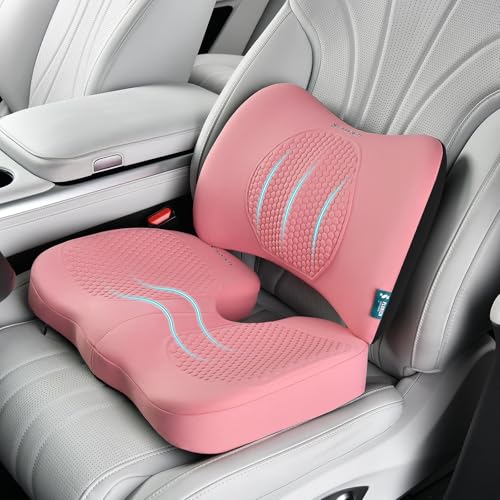
For more information, check out our guide on Best Massage Chair Pads and Seat Cushions.