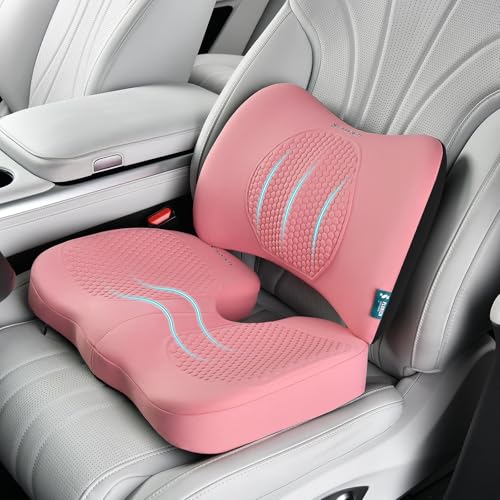
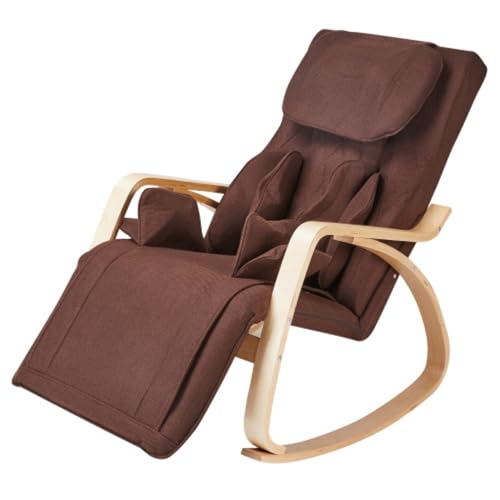
Heat transforms massage from pleasant to therapeutic. When warmth penetrates tight muscles, blood flow increases, tissue relaxes, and the mechanical massage works more effectively on pliable rather than rigid muscle. Massage chairs with quality heating features provide something closer to spa-level treatment than cold mechanical kneading alone can achieve. Understanding what heating options exist and where heat matters most helps you find a chair that delivers genuinely warming relaxation.


This guide covers how heat enhances massage, what heating features to look for, and which body areas benefit most from warmth during massage.

Table of Contents
Why Heat Matters for Massage
Muscle Relaxation
For more information, check out our guide on Best Massage Chairs for Lower Back Pain.
Heat relaxes muscles directly. Warmth causes blood vessels to dilate and muscle fibers to become more pliable. This relaxation happens before massage even begins. Starting a session with heat means the massage works on already-loosening tissue rather than fighting rigid, cold muscles.
Chronically tight muscles respond particularly well to heat. Areas that resist massage when cold often release more readily with warmth applied first. The combination creates synergistic benefit that neither heat nor massage alone can match.
The relaxation extends beyond the directly heated area. Warming the lower back, for example, tends to promote relaxation throughout the body as tension releases and the nervous system shifts toward parasympathetic dominance.
Increased Blood Flow
Heat dilates blood vessels, increasing circulation to warmed areas. This enhanced blood flow delivers more oxygen and nutrients while removing metabolic waste and inflammatory compounds. The circulation benefit supports both immediate comfort and longer-term tissue health.
For people with circulation issues, particularly in the extremities, heated massage provides significant additional value. The warming addresses circulatory deficits that massage alone might not fully resolve.
Pain Reduction
Heat has natural analgesic properties. Warmth reduces pain signal transmission and promotes endorphin release. For people using massage chairs to manage chronic pain, heat significantly enhances pain relief beyond what massage alone provides.
The pain reduction works through multiple mechanisms, including direct nerve effects, muscle relaxation reducing tension-related pain, and improved circulation reducing ischemic discomfort. These combined effects explain why heated massage feels more therapeutic.
Deeper Treatment
When muscles relax from heat, massage mechanisms can work deeper with less discomfort. The same roller intensity that feels aggressive on cold muscles may feel therapeutic on warmed tissue. Heat enables more effective deep tissue work.
This depth enhancement matters particularly for people with significant chronic tension. Reaching the deeper muscle layers that contribute to persistent problems requires either higher intensity (potentially uncomfortable) or pre-warming (more comfortable and often more effective).
Types of Heat in Massage Chairs
Lumbar Heat
The most common heating location. Heating elements in the lower back area warm the lumbar region where most people carry significant tension. This is often the only heat included in basic chairs. Quality lumbar heat should reach therapeutic temperature, genuinely warm, not just slightly above room temperature.
Lumbar heat addresses the area where most adults experience pain at some point. The combination of sitting, standing, and daily activities creates lower back stress that warmth helps relieve effectively.
Upper Back Heat
Some chairs include heat in the thoracic region between the shoulder blades. This addresses the upper back tension common in desk workers and anyone who carries stress in their shoulders. Combined with lumbar heat, you get comprehensive back warming.
The upper back area responds particularly well to heat because the chronic tension there tends to be resistant to cold massage. Warming opens up this area for more effective treatment.
Seat Heat
Heat in the seat warms glutes and hip area. This matters for lower back pain that involves the entire posterior chain. L-track chairs that massage glutes benefit particularly from seat heat that prepares this area for roller work.
Hip tightness that contributes to lower back problems responds well to seat warming. The heat reaches areas that standing or lying heating pads don't address effectively.
Calf and Leg Heat
Some chairs warm the leg rest area. Calf heat helps with circulation and relieves tired legs. This feature appears mainly on premium chairs but provides real value for people who stand all day or have circulation concerns.
The warming promotes blood return from the lower extremities, addressing the pooling and heaviness that many people experience by day's end.
Foot Heat
Warming cold feet feels wonderful and supports the circulation benefits of foot massage. Foot heat enhances reflexology effects and addresses the poor circulation many people experience in their extremities.
For people whose feet are chronically cold, foot warming transforms the massage experience from uncomfortable to deeply relaxing.
Shoulder Heat
Rare but valuable, shoulder heat targets the area where many people carry their worst tension. When available, it significantly enhances shoulder massage effectiveness.
Top Massage Chairs with Heating Features
Osaki OS-Pro Maestro LE
The Osaki OS-Pro Maestro LE includes comprehensive heating with multiple zones. Lumbar heat provides therapeutic warmth to the lower back while the 4D massage mechanism works on warmed, pliable tissue. The combination delivers more effective deep tissue treatment than either feature alone.
Additional heating elements extend the warmth beyond just the lower back. The comprehensive approach addresses the full areas where heat enhances massage effectiveness.
Infinity IT-8500 X3
The Infinity IT-8500 X3 features heated lumbar massage with quality heating elements that reach therapeutic temperatures quickly. The warmth integrates well with the 3D/4D massage capability, allowing deeper work without discomfort.
The heating works alongside the comprehensive air compression system, warming muscles before and during both roller and airbag treatment.
Luraco i9 Max
For more information, check out our guide on Best Massage Chairs for Chronic Pain.
The Luraco i9 Max includes heat as part of its medical-grade approach to massage. The heating elements meet quality standards appropriate for therapeutic equipment. Temperature control allows matching the warmth level to personal preference and therapeutic need.
The integration of heat with the precise body scanning and targeted massage creates comprehensive treatment that addresses specific problem areas with appropriate warmth.
Kahuna LM-6800
The Kahuna LM-6800 provides lumbar heat at accessible pricing. The heating elements deliver genuine warmth that enhances the massage effectiveness. For value-conscious buyers who want heat without premium pricing, this chair delivers the core benefit.
Evaluating Heat Features
Temperature Achievement
Heat should actually feel warm, not just slightly above ambient temperature. Good heating elements reach 105-115°F range. During chair testing, activate the heat and verify it produces noticeable warmth within a few minutes.
Some budget chairs include heat that barely increases temperature perceptibly. This provides minimal therapeutic benefit. Test actual warmth, not just the presence of heat feature marketing.
Heat Zones
More zones mean more comprehensive warming. A chair with lumbar, upper back, and leg heat serves better than lumbar only. Count the zones and note their locations when comparing chairs.
Consider which zones match your specific needs. Someone with primarily upper back tension needs upper back heat; lumbar alone may not help their main problem area.
Independent Control
Ideally, heat should be controllable independently from massage. Sometimes you want heat without massage (gentle warming while relaxing) or massage without heat (when you're already warm). Independent controls provide flexibility.
Zone-specific control adds further value, allowing you to warm specific areas while leaving others unheated. This precision matters when some areas benefit from heat while others don't need it.
Temperature Adjustment
Some chairs offer only on/off for heat. Better implementations provide temperature adjustment with low, medium, high settings or actual temperature selection. Adjustability lets you match heat to your preference and the ambient temperature.
What feels comfortable varies between people and seasons. Adjustability accommodates these variations rather than forcing one temperature for all situations.
Timing
Heat elements take time to warm up. Quality heating reaches therapeutic temperature within 5-10 minutes. Slow heating that takes 20+ minutes to feel warm provides less practical value.
Fast heating allows starting your session sooner and spending less time waiting for warmth to build. This practical consideration affects how often you'll actually use the heat feature.
Body Areas and Heat Priority
Lower Back (Essential)
If a chair only has one heat zone, lumbar is the right choice. Lower back problems are extremely common and respond exceptionally well to heat. This is the must-have heat location for most users.
Upper Back (Very Valuable)
For people with shoulder and upper back tension, essentially anyone who works at a desk, upper back heat adds significant value. This area often carries the body's worst tension and benefits greatly from warming.
Legs and Feet (Nice to Have)
Lower extremity heat matters most for people with circulation issues, cold feet, or jobs requiring standing. If these apply to you, prioritize chairs with leg and foot heat. For others, it's pleasant but not essential.
Full Body (Premium)
Chairs with comprehensive heat throughout, including back, seat, legs, and feet, provide spa-like experience. This typically appears only on premium models. Worth the cost for people who value the complete warming experience.
Heat and Different Conditions
Chronic Back Pain
For more information, check out our guide on Best Massage Chairs for Arthritis.
Heat significantly helps most chronic back pain. The combination of warmth and massage provides relief that either alone doesn't match. For back pain sufferers, lumbar heat should be non-negotiable.
Muscle Soreness
Post-exercise soreness responds well to heat, which promotes circulation and recovery. Athletes and active people benefit from comprehensive heat features.
Arthritis
Arthritic joints often feel better with heat. Warming affected areas before and during massage can make the treatment more comfortable and effective.
Stress and Tension
General tension from stress releases more easily with heat. The warming sensation itself promotes relaxation, and the muscle-loosening effects complement this psychological comfort.
Poor Circulation
Cold extremities indicate circulation issues that heat directly addresses. Foot and leg heat matters significantly for people whose feet are always cold.
When to Avoid Heat
Acute Inflammation
Fresh injuries with swelling and inflammation may respond better to cold than heat. If an area is acutely inflamed, avoid adding heat until inflammation subsides.
Certain Medical Conditions
Some conditions make heat inadvisable, including certain vascular disorders, some dermatological conditions, and areas with impaired sensation. Consult healthcare providers if you have conditions that might affect heat tolerance.
Overheating Sensitivity
Some people simply don't enjoy or tolerate heat well. If warmth makes you uncomfortable rather than relaxed, heat features provide little value for you.
Getting the Most from Heat Features
Pre-Heat Before Massage
Turn on heat a few minutes before starting massage. Let the warmth begin relaxing muscles before mechanical treatment starts. This preparation makes the massage more effective.
Use Appropriate Intensity
Heat makes muscles more receptive to massage, which means lower intensity may feel more effective than it would on cold muscles. You might not need maximum intensity when warmth has already done some of the relaxation work.
Don't Overdo Duration
Extended heat exposure can leave you feeling overheated or dried out. Sessions of 20-30 minutes with heat work well for most people. Longer sessions might warrant taking breaks from heat while continuing massage.
Layer Appropriately
What you wear affects heat perception. Thick clothing blocks some warmth; thin layers let more through. Adjust your layers to achieve comfortable heat penetration.
What to Look For
Lumbar heat at minimum as non-negotiable for most buyers. Additional upper back heat for desk worker tension. Leg and foot heat for circulation concerns or standing-related fatigue. Temperature adjustment rather than just on/off. Adequate heating speed with warmth within 5-10 minutes. Independent heat control separate from massage programs. Quality heating elements reaching therapeutic temperatures.
Final Thoughts
Heat transforms massage chair effectiveness for most users. The warming increases blood flow, relaxes muscles, reduces pain, and enables deeper treatment. The Osaki OS-Pro Maestro LE provides comprehensive multi-zone heating for thorough warming. The Infinity IT-8500 X3 offers quality lumbar heat at competitive pricing. The Luraco i9 Max includes medical-grade heating as part of its therapeutic approach. Lumbar heat should be standard; additional zones provide increasing value depending on your specific needs. Test heat features during shopping to verify they achieve genuinely therapeutic warmth rather than barely perceptible temperature increase. For anyone dealing with chronic tension, pain, or circulation issues, quality heating features make a massage chair significantly more effective than one relying on mechanical massage alone.
For more information, check out our guide on Best Massage Chair Pads and Seat Cushions.