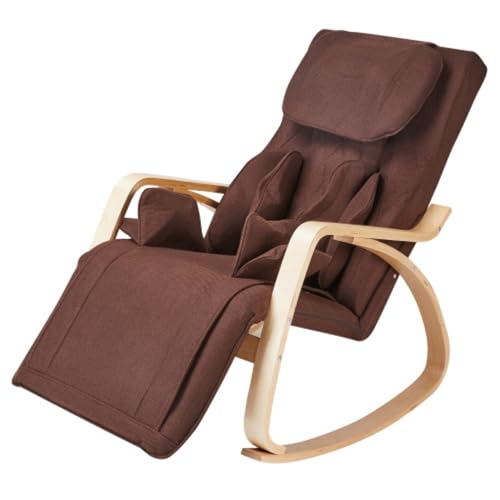
Voice control in massage chairs represents the intersection of smart home technology and wellness equipment. Instead of fumbling with remotes or touchscreens, you can simply speak commands to start programs, adjust intensity, or control specific features. For users with mobility limitations, those who want hands-free operation during massage, or anyone embracing smart home integration, voice-controlled massage chairs offer meaningful convenience. Understanding what voice control actually provides—and its current limitations—helps you decide whether this feature matters for your purchase.


This guide covers how voice control works in massage chairs, what you can actually control with voice commands, and how to evaluate this feature when shopping.

Table of Contents
How Voice Control Works
Built-In Voice Recognition
For more information, check out our guide on Best Massage Chairs for Arthritis.
Some massage chairs include built-in voice recognition that responds to specific commands spoken directly to the chair. These systems typically require wake words or button activation before listening, then process commands locally to control chair functions.
Built-in systems have limited vocabulary—they recognize preset commands but can't handle natural conversation or varied phrasing. You must learn the specific commands the chair recognizes rather than speaking naturally.
Smart Assistant Integration
Many voice-controlled massage chairs integrate with smart assistants like Amazon Alexa or Google Assistant. Rather than processing commands themselves, these chairs connect to your existing smart home ecosystem. You speak to your usual smart speaker or phone assistant, which then sends commands to the chair.
This integration typically provides more flexible voice recognition because the smart assistants can understand varied phrasing and natural language better than simple built-in systems. However, it requires the chair to maintain internet connectivity and depends on third-party services.
App-Based Voice Control
Some chairs offer voice control through their companion smartphone apps. You speak commands into the app, which processes them and sends instructions to the chair. This approach doesn't require smart home infrastructure but does require your phone nearby and the app running.
What You Can Control with Voice
Basic Operation
Most voice-controlled chairs support fundamental commands: starting and stopping massage, reclining and returning upright, and basic program selection. Commands like "start massage," "recline," or "stop" typically work across different systems.
These basic commands provide the core convenience—you don't need to reach for controls to start or stop your massage session.
Program Selection
Voice control often allows selecting specific massage programs by name. You might say "start relaxation program" or "run deep tissue massage" to launch particular routines. The available voice commands match the chair's program options.
How intuitive this is depends on how the manufacturer has named programs and commands. Some systems use natural names that are easy to remember; others require learning specific terminology that may not be obvious.
Intensity Adjustment
Many systems allow voice adjustment of massage intensity—commands like "increase intensity," "decrease pressure," or specific level selections. This lets you fine-tune your massage without using controls once a session has started.
The granularity of control varies. Some systems offer simple "more" and "less" commands; others allow specific level selection like "intensity level 3."
Feature Control
Individual features like heat, specific massage zones, or air compression may have voice commands. You might turn heat on or off, focus massage on specific body areas, or adjust individual components of the massage experience.
Feature-level control typically provides the most hands-free flexibility but requires learning more commands and understanding how your chair's features can be individually controlled.
Position Control
Recline position, zero gravity modes, and leg rest adjustment often support voice commands. This is particularly valuable because position adjustment during massage otherwise requires reaching for controls while relaxed.
Benefits of Voice Control
Hands-Free Convenience
The primary benefit is operating the chair without using your hands. During massage, reaching for controls interrupts relaxation. Voice control lets you make adjustments while remaining in comfortable, relaxed positions.
This convenience matters most during longer sessions when you might want to change intensity, switch programs, or adjust position without fully engaging physically.
Accessibility
For users with mobility limitations, arthritis, or other conditions that make using traditional controls difficult, voice control provides meaningful accessibility improvement. Speaking commands is often easier than pressing buttons or navigating touchscreens.
Vision impairments also benefit from voice control. Navigating visual interfaces becomes unnecessary when voice commands handle operation.
Smart Home Integration
For more information, check out our guide on Best Zero Gravity Massage Chairs.
For households already using smart assistants, voice-controlled massage chairs integrate into existing routines. You can include chair operation in smart home automation—perhaps starting a massage when you say "relax mode" or as part of evening wind-down routines.
This integration makes the massage chair feel like part of your home rather than a separate piece of equipment with its own control paradigm.
No Lost Remotes
Voice control eliminates the frustration of misplaced remotes. As long as the voice recognition system works, you can always operate your chair regardless of where the physical remote ended up.
Limitations and Considerations
Command Recognition Accuracy
Voice recognition isn't perfect. Background noise, unclear pronunciation, or non-native accents can all affect recognition accuracy. Frustration from repeated misrecognized commands can diminish rather than enhance the experience.
Test voice recognition in showrooms if possible. Speak naturally and see how well the system understands you. If recognition requires slow, exaggerated speech, the convenience diminishes.
Internet Dependency
Smart assistant integration typically requires internet connectivity. If your internet goes down, voice control may become unavailable. Built-in systems without internet dependency avoid this issue but often have more limited recognition capability.
Consider whether relying on internet connectivity for basic chair operation concerns you. Physical controls remain available, but voice control becomes unreliable without stable connectivity.
Privacy Considerations
Smart assistant-integrated chairs send voice data to external servers for processing. If privacy concerns about smart speakers apply to you generally, they also apply to voice-controlled massage chairs using those systems.
Built-in voice recognition that processes commands locally avoids this data transmission but may sacrifice recognition quality.
Limited Vocabulary
Voice control systems recognize specific commands, not general conversation. You can't describe what you want in natural language—you must use the recognized phrases. Learning and remembering these commands takes effort.
Some systems provide voice feedback confirming commands; others don't. Without confirmation, you may not know if the chair understood your command or is ignoring it.
Setup and Configuration
Smart assistant integration requires setup—connecting accounts, enabling skills, configuring devices. This technical work may challenge less tech-savvy users. Once configured, operation is simple, but reaching that point requires effort.
Future Support Uncertainty
Smart home technology evolves rapidly. The smart assistant platform a chair integrates with today may change or discontinue features. A chair purchased for its Alexa integration may have reduced functionality if Amazon changes how Alexa works with devices.
Built-in systems avoid platform dependency but may not receive updates that improve functionality over time.
Evaluating Voice Control Features
Test Actual Recognition
Don't rely on marketing claims about voice control. Test the actual system in showrooms, speaking naturally rather than slowly or exaggeratedly. If recognition is frustrating in controlled showroom conditions, home use with background noise will be worse.
Check Command Coverage
Understand what you can actually control with voice. Some chairs voice-enable everything; others only support basic start/stop commands. If you want voice control for specific functions—intensity adjustment, zone focusing—verify those specific commands work.
Verify Smart Home Compatibility
For more information, check out our guide on Best Massage Chairs with Air Compression.
If you use a specific smart assistant, verify the chair supports it. Not all voice-controlled chairs support all platforms. Check whether Alexa, Google Assistant, or your preferred platform is supported before assuming compatibility.
Consider Backup Operation
Ensure the chair has functional physical controls as backup. Voice control should enhance the experience, not be the only way to operate the chair. When voice recognition fails or internet goes down, you need reliable alternatives.
Read User Reviews
User reviews often reveal real-world voice control performance better than manufacturer claims. Look for comments about recognition accuracy, setup difficulty, and whether users actually find the feature useful.
Who Benefits Most
Smart Home Enthusiasts
Users already heavily invested in smart home technology will appreciate voice control that integrates with their existing setup. The feature extends existing habits rather than requiring new learning.
Accessibility Needs
Anyone with physical limitations that make traditional controls difficult will find voice control meaningfully improves their experience. This includes arthritis, limited mobility, and vision impairments.
Those Who Value Convenience
If hands-free operation appeals to you generally, voice control delivers genuine convenience. Making adjustments without disrupting relaxation improves the massage experience.
Who May Not Need It
Privacy-Conscious Users
If smart assistant privacy concerns are significant for you, voice-controlled chairs using those platforms create the same issues. Built-in alternatives may address this, but their recognition quality typically falls short.
Simple Operation Preference
If you typically select a program and let it run without adjustment, voice control provides limited benefit. The feature matters most for users who want to make mid-session adjustments.
Technology-Averse Users
If smart home technology frustrates rather than helps you, voice control may create more problems than it solves. Traditional controls that simply work may serve better than voice systems requiring setup and troubleshooting.
Price Considerations
Voice control is typically found in mid-range to premium massage chairs. Budget chairs rarely include this feature. Expect voice control to appear on chairs priced $2,500 and above, with more sophisticated integration on higher-end models.
The feature alone doesn't justify large price premiums. If a chair offers voice control but lacks other features you need, the voice capability doesn't compensate for missing massage functionality.
Conclusion
Voice control in massage chairs provides genuine convenience for hands-free operation, meaningful accessibility benefits, and smart home integration that fits modern lifestyles. However, recognition accuracy varies, internet dependency creates potential reliability issues, and the feature requires learning specific commands rather than natural conversation. Evaluate voice control by testing actual systems rather than trusting marketing claims, verify the commands you need are actually supported, and ensure reliable backup controls exist. For the right users—smart home enthusiasts, those with accessibility needs, or anyone valuing hands-free convenience—voice control enhances the massage chair experience meaningfully.
For more information, check out our guide on Best Massage Chair with Voice Control.