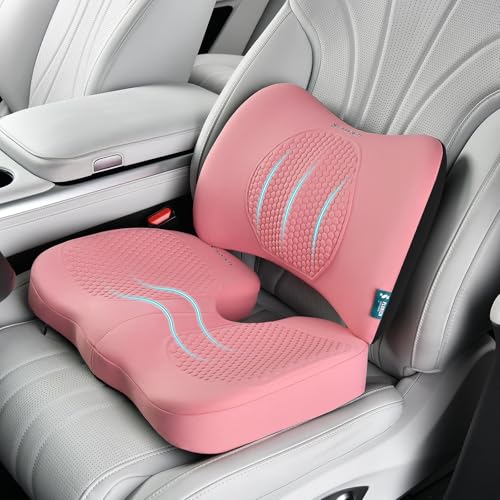
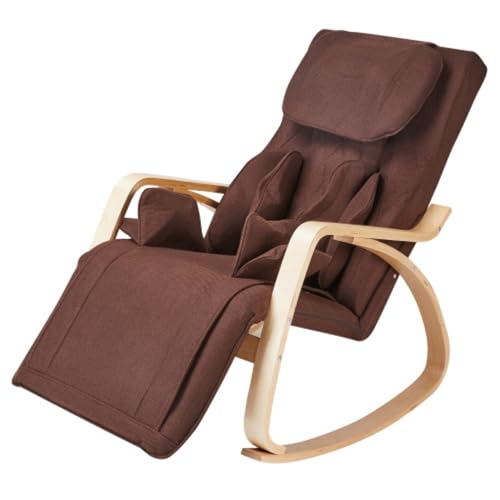
Truck driving and long-haul transportation create unique physical challenges that most people never experience. Hours of uninterrupted sitting, the constant vibration of the road, limited space for movement, and the stress of managing massive vehicles take a predictable toll on the body. Lower back pain, shoulder tension, leg stiffness, and overall physical fatigue are nearly universal among drivers who spend significant time on the road. A massage chair selected specifically for truck driver needs can provide the recovery that helps you maintain your health and extend your driving career.


Understanding the specific physical demands of transportation work helps you identify which massage chair features matter most for your recovery needs.

Table of Contents
How Truck Driving Affects Your Body
Lower Back Stress from Prolonged Sitting
For more information, check out our guide on Best Massage Chairs for Lower Back Pain.
Sitting for hours places continuous load on the lumbar spine. The seated position compresses intervertebral discs, strains the muscles supporting your back, and shortens the hip flexors that affect spinal alignment. Even with a quality truck seat, the sustained sitting position creates cumulative stress that no seating can fully prevent.
Truck seats are better than typical office chairs, but they're still seats that hold you in a fixed position for hours. The lack of regular movement allows muscles to stiffen and blood flow to stagnate. By the time you complete a long haul, your lower back has accumulated hours of compression and static stress.
Vibration and Road Impact
Driving creates constant low-level vibration that transmits through the seat into your body. This vibration affects the spine, loosening joints slightly and fatiguing muscles in ways that static sitting doesn't. The cumulative effect of hours of vibration adds to the stress of sitting alone.
Road irregularities create impact that the truck's suspension and seat can't fully absorb. Each bump, pothole, and uneven surface sends force through your spine. Over a long drive, thousands of these micro-impacts accumulate.
Shoulder and Neck Tension from Steering
Holding your arms in position to grip the wheel creates static tension in your shoulders. The sustained low-level muscle activation required to steer for hours leads to chronic shoulder fatigue. Looking forward at the road maintains your neck in a fixed position, engaging the cervical muscles continuously.
The stress of driving—traffic, weather, tight schedules, other drivers—manifests physically as tension in the shoulders and neck. Many drivers carry significant accumulated stress tension that doesn't resolve with rest alone.
Hip and Leg Stiffness
Your legs work constantly while driving, operating pedals and maintaining position. Yet they're also confined to limited movement ranges. This combination of work without full movement creates stiffness and fatigue in the hip flexors, quadriceps, and hamstrings.
Restricted blood flow from prolonged sitting affects the legs particularly. The lack of regular walking means blood pools rather than circulating efficiently. This contributes to the fatigue and stiffness that builds during long drives.
Overall Physical Decline
The sedentary nature of driving, combined with challenges accessing healthy food and exercise, leads to overall physical decline for many drivers. Weight gain, reduced flexibility, and accumulated muscle tension compound each other over years of driving. Active recovery helps counteract this trajectory.
Essential Massage Chair Features for Drivers
Superior Lumbar Focus
Lower back massage capability should be your top priority. Look for chairs with dedicated lumbar programs, strong roller coverage of the lower back, and lumbar heat. The combination of massage and heat addresses the compressed, fatigued lumbar muscles more effectively than either alone.
L-track coverage that extends under the seat to work on the glutes provides additional benefit. The hip muscles affect lower back health, and addressing them helps relieve lumbar stress from its source.
Zero gravity positioning elevates your legs above your heart and takes pressure off the lumbar spine. For drivers who've spent the day compressed by driving position, this decompression is particularly valuable.
Comprehensive Hip and Glute Work
Your hips and glutes work throughout driving while being confined to limited movement. L-track massage that works the glutes addresses the fatigue these muscles accumulate. Air compression around the hips helps release the chronically shortened hip flexors that driving creates.
The connection between hip health and lower back pain is well established. Addressing hip tension often provides more lower back relief than working on the lower back itself.
Leg and Calf Massage
After hours of pedal work and restricted movement, your legs need attention. Look for chairs with comprehensive leg coverage—airbag compression for the calves and if possible the thighs. Foot massage addresses the fatigue from hours of pedal operation.
The circulation boost from leg compression helps address the blood pooling that prolonged sitting creates. This isn't just about comfort—it's about maintaining leg health over years of driving.
Shoulder and Neck Coverage
The steering tension drivers accumulate requires upper body massage. Look for chairs with strong shoulder airbag compression and neck massage capability. Adjustable roller width helps position the massage on your actual shoulder muscles rather than just near your spine.
Heat in the upper back and neck helps release the chronic tension steering and driving stress create. The combination of heat and massage works better than massage alone for established tension patterns.
Deep Tissue Capability
For more information, check out our guide on Best Massage Chairs for Sciatica.
The chronic tension drivers develop requires more than surface-level massage. Look for 3D or 4D roller technology that allows you to increase massage depth. You need the ability to dial up intensity for deep tissue work on stubborn problem areas.
Test any chair on your actual problem areas at higher intensity settings. If it can't create enough pressure to feel like it's working on your lower back or shoulders, the chair lacks the therapeutic capability you need.
Heat Throughout
Heat therapy is particularly valuable for drivers because it addresses multiple issues simultaneously. Heat relaxes muscles, increases blood flow, and helps counteract the stiffness from hours of sitting. Look for heat in multiple locations—lumbar, back, seat, and if possible calves.
For drivers coming in from long hauls, the warming effect of a heated massage chair provides immediate comfort before the therapeutic effects of massage even begin.
Using Your Massage Chair for Driver Recovery
Post-Drive Sessions
Using your massage chair soon after completing a drive addresses the accumulated stress before it consolidates. Your muscles are ready for intervention—they've been working and are fatigued but not yet locked into chronic tension from overnight recovery.
A 20-30 minute session focusing on lower back, hips, and legs addresses the primary stress areas from driving. If shoulder and neck tension is significant, include upper body attention as well.
Zero Gravity Decompression
The zero gravity position provides particular value for drivers by reversing the compression sitting creates. Spending time in zero gravity allows intervertebral discs to decompress and takes load off the lumbar structures. Even without active massage, this position provides recovery benefit.
Consider using zero gravity position even when not actively massaging—for reading, watching television, or simply resting after a long drive.
Pre-Drive Preparation
Brief massage before a long drive can help loosen muscles and improve circulation. Keep pre-drive sessions short—15 minutes or less—and avoid very intense deep tissue work that might leave you feeling sluggish. Focus on warming and loosening rather than therapeutic deep work.
Rest Day Recovery
Days off the road provide opportunity for longer, more intensive recovery sessions. Use this time for 30-45 minute deep tissue programs that address accumulated tension from your driving week. This is when you can work on chronic problem areas that brief post-drive sessions don't fully address.
Overnight Use
For over-the-road drivers who sleep in their trucks, home time massage becomes even more valuable. The limited sleeping conditions in a truck don't provide optimal recovery. When you're home, prioritize massage chair use to catch up on the recovery your body needs.
Addressing Common Driver Issues
Chronic Lower Back Pain
If you already have lower back problems, prioritize L-track chairs with the strongest lumbar coverage and heat. Zero gravity positioning takes pressure off the spine during massage. Consistent daily use provides more benefit than occasional intense sessions.
Consider the massage chair as maintenance rather than cure. Regular use helps manage chronic conditions and prevents worsening, but serious lower back issues may also need medical attention.
Sciatica Symptoms
For more information, check out our guide on Best Zero Gravity Massage Chairs.
Sciatica—pain radiating from the lower back down the leg—is common among drivers. L-track coverage that works the glutes and hip muscles can help because piriformis tightness often contributes to sciatic symptoms. Heat in the lumbar and seat area helps relax the muscles affecting the sciatic nerve.
If sciatica symptoms are severe, consult with a healthcare provider. Massage chair use can complement medical treatment but shouldn't replace it for serious conditions.
Leg Circulation Issues
Drivers face increased risk of leg circulation problems from prolonged sitting. While massage chairs can't prevent deep vein thrombosis, leg compression helps promote circulation that sitting impairs. Consider leg massage a supplement to, not replacement for, movement breaks during driving.
Overall Fatigue
The cumulative fatigue of driving responds to regular recovery attention. Evening massage sessions before bed can improve sleep quality. Better sleep means better recovery, which means less accumulated fatigue over your work week.
Practical Considerations
Space Requirements
Consider where you'll place your massage chair. Many drivers have smaller homes or live in apartments where space is limited. Look for chairs with wall-hugger features that don't require as much clearance behind them to recline.
Durability for Regular Use
As a driver with significant recovery needs, you'll use your chair frequently. Invest in quality that will withstand daily use. Cheaper chairs may not survive the regular sessions your work demands.
Ease of Use
After a long drive, you want simple operation. Look for chairs with intuitive controls and quick-access programs. The easier the chair is to use, the more consistently you'll actually use it.
Budget and Investment
Quality massage chairs with the lower back and hip coverage drivers need typically cost $2,500-5,000. This is a significant investment, but consider the alternative costs. Regular massage therapy, chiropractic care, and potential medical treatment for driving-related problems all add up.
More importantly, consider the cost of career-ending back problems. Many driving careers end prematurely due to physical breakdown. Investing in recovery helps maintain the health that keeps you earning.
Financing options make quality chairs accessible if you can't pay upfront. The monthly cost of financing often compares favorably to regular professional massage.
What to Avoid
Don't compromise on lower back and hip coverage. These are your primary problem areas, and a chair that doesn't effectively address them provides limited value regardless of other features.
Avoid chairs without leg massage. Your legs need attention after hours of pedal work and restricted movement.
Be cautious of chairs from unknown brands without service infrastructure. Regular heavy use means your chair will eventually need service. Established manufacturers with dealer networks provide better long-term support.
Conclusion
Truck driving creates predictable physical stress that requires dedicated recovery. Lower back compression, hip and glute fatigue, leg stiffness, and shoulder tension from steering all need attention. The right massage chair—with L-track coverage, strong lumbar focus, comprehensive leg massage, and heat therapy—provides daily recovery that helps maintain your body for a long driving career. The investment pays for itself through maintained health, reduced pain, and protection against the physical breakdown that ends too many driving careers prematurely.
For more information, check out our guide on Best Massage Chair for Truck Drivers.