Swimming is uniquely demanding on the body, combining cardiovascular endurance with full-body muscle engagement in ways land-based exercise can't replicate. The repetitive overhead motions, rotational movements, and sustained muscle activation create specific recovery needs that swimmers often struggle to address. A massage chair designed to target swimmer-specific tension patterns can significantly improve recovery, reduce injury risk, and help maintain the flexibility essential for efficient swimming technique.


Understanding how swimming affects different parts of your body helps you evaluate which massage chair features actually matter for your recovery needs versus which are marketing features irrelevant to swimmers.

Table of Contents
The Physical Demands Swimming Places on Your Body
Shoulder Complex Stress
For more information, check out our guide on Best Massage Chairs for Lower Back Pain.
The shoulder joint is swimming's most vulnerable area. Every stroke involves overhead motion that rotates the arm through its full range while generating propulsive force. Competitive swimmers may perform thousands of these rotations in a single workout, and even recreational swimmers accumulate significant repetitive stress over time.
Swimmer's shoulder is one of the most common swimming injuries, developing when the repetitive motion causes inflammation in the rotator cuff tendons. The muscles surrounding the shoulder—particularly the rotator cuff group, deltoids, and the muscles connecting the shoulder blade to the spine—become chronically tight and fatigued. This tightness restricts range of motion and increases injury risk if not properly managed.
The latissimus dorsi, the large back muscles that power your pull through the water, attach near the shoulder and contribute to shoulder tension when they become tight and overworked. Effective shoulder recovery requires addressing both the shoulder joint itself and these supporting muscles.
Upper Back and Spinal Rotation
Swimming strokes, particularly freestyle and backstroke, require continuous rotation of the upper body. This rotational movement engages the muscles along your spine and between your shoulder blades in ways that differ from land-based activities. The thoracic spine, the middle portion of your back, needs to maintain mobility for efficient swimming technique.
When these muscles become tight and the thoracic spine loses mobility, swimmers compensate by overusing their shoulders and lower back. This compensation pattern increases injury risk in multiple areas. Maintaining upper back mobility through proper recovery isn't just about comfort—it's about protecting your shoulders and swimming efficiently.
Lower Back Engagement
The streamlined body position swimming requires engages the lower back muscles continuously. Whether you're kicking, rotating, or maintaining horizontal position, your lumbar muscles are working. Breaststroke and butterfly place additional lower back stress through their undulating body movements and powerful kicks.
Many swimmers experience lower back tightness and discomfort, particularly those who swim multiple times per week. This isn't necessarily a sign of injury—it's the natural result of sustained muscle engagement that requires dedicated recovery attention.
Hip Flexor and Leg Demands
Kicking involves continuous hip flexor engagement, particularly in freestyle and backstroke where a flutter kick maintains propulsion. The hip flexors can become chronically shortened and tight, affecting both swimming technique and daily movement patterns. Breaststroke places different demands, requiring hip abduction and external rotation that stress the inner thighs and outer hips.
Calf muscles and feet work throughout every kick, fatigue that may not be obvious immediately after swimming but accumulates over weeks of regular training. Proper recovery addresses these lower body areas even when upper body tension feels more pressing.
Essential Massage Chair Features for Swimmers
Superior Shoulder and Upper Back Coverage
This is the most critical feature for swimmers. You need a massage chair that effectively reaches the outer shoulders, not just the spine. Many chairs focus roller coverage near the center of the back, leaving the actual shoulder muscles untouched. Test how far toward your arm sockets the massage reaches—this determines whether the chair will help your swimmer's shoulder or ignore it.
Adjustable roller width is valuable because it allows you to configure the massage path for your specific build. Wider settings reach more of the shoulder area; narrower settings concentrate pressure on the spinal muscles. Having both options lets you address different aspects of swimming tension.
Air compression in the shoulders provides coverage that rollers can't achieve. Compression works the deltoids and upper arms, areas that rollers don't effectively reach. For swimmers, shoulder air compression isn't a luxury feature—it's essential for complete shoulder recovery.
Thoracic Spine Mobility Focus
Your mid-back needs massage that helps maintain the rotational mobility swimming requires. Look for chairs with good coverage of the area between your shoulder blades and strong intensity options for working through the tight rhomboid and trapezius muscles in this region.
Some chairs offer stretching programs that extend and twist the spine. For swimmers, these stretching features provide genuine value by working on spinal mobility in ways that standard massage doesn't. If a chair offers stretching features, test them specifically for how they affect thoracic rotation.
L-Track Coverage for Complete Recovery
For more information, check out our guide on Best Zero Gravity Massage Chairs.
While upper body recovery is critical for swimmers, don't neglect the glutes and hips that power your kick. L-track designs that extend roller coverage under the seat address these areas, providing recovery for muscles that accumulate fatigue even when upper body tension feels more pressing.
The gluteal muscles connect to your lower back and contribute to both propulsion and body position maintenance in the water. Tight glutes affect hip mobility and can contribute to lower back issues. L-track coverage ensures these muscles receive attention during your recovery sessions.
Adjustable Intensity
Swimmers need the ability to vary massage intensity based on training load and specific needs. After hard workouts, gentler massage may be appropriate because muscles are already stressed and inflamed. On rest days, deeper tissue work helps address accumulated tension. Look for chairs with wide intensity ranges that give you control over how aggressively the massage works.
3D or 4D roller technology provides intensity adjustment by varying how far the rollers extend into your muscles. This depth adjustment is more meaningful than speed adjustments alone because it determines how much the massage penetrates into deep tissue versus staying at the surface.
Heat Therapy
Heat enhances massage effectiveness and provides particular value for the chronic tension patterns swimming creates. Look for heat in the lumbar region at minimum, with heat in the shoulders and neck providing additional benefit for swimmer-specific issues.
The warming effect increases blood flow and relaxes muscles before the massage work, making the mechanical action more effective. For the shoulder complex that swimmers stress so heavily, heat can make a significant difference in how well the massage penetrates chronically tight muscles.
Optimal Massage Protocols for Swimmers
Post-Practice Recovery
Using your massage chair within an hour of leaving the pool maximizes recovery benefits. Your muscles are warm from exercise and blood flow is elevated, making them particularly responsive to massage. A 20-30 minute session focusing on your most-used muscles helps prevent the stiffness that often develops hours after swimming.
Start with moderate intensity after hard workouts. Muscles that are already fatigued and potentially inflamed don't benefit from aggressive deep tissue work immediately after exercise. Save the intense sessions for rest days when your muscles have recovered enough to benefit from deeper work.
Shoulder Maintenance
Given swimming's shoulder demands, brief daily attention to the shoulder area helps prevent the accumulation of tension that leads to injury. Even 10-15 minutes focused on the shoulders and upper back can maintain mobility and catch developing tightness before it becomes problematic.
If you notice your shoulders feeling tight or your range of motion decreasing, increase both the frequency and duration of shoulder-focused massage. Early intervention is much easier than recovering from an established injury.
Pre-Workout Preparation
A short, light massage session before swimming can help loosen tight muscles and increase range of motion. Keep these sessions brief—10-15 minutes—and use gentler intensity. The goal is warming and loosening, not deep tissue work that might affect muscle responsiveness in the water.
Focus pre-workout sessions on areas that feel restricted. If your shoulders are tight or your thoracic rotation feels limited, targeted attention to these areas before swimming helps you start with better movement quality.
Extended Rest Day Sessions
For more information, check out our guide on Best Massage Chairs with Air Compression.
Rest days provide the opportunity for longer, more intensive massage sessions. A 30-45 minute full body program addresses accumulated tension from the training week. This is the appropriate time for maximum intensity work on chronic problem areas.
Use rest day sessions to address areas you might skip during quick post-workout recovery—legs, feet, and lower body areas that accumulate fatigue but don't demand immediate attention after swimming.
Addressing Common Swimmer Issues
Chronic Shoulder Tightness
If you already experience swimmer's shoulder symptoms—pain in the front or side of the shoulder, discomfort during overhead motion, or reduced range of motion—prioritize chairs with the strongest shoulder coverage. Air compression becomes particularly important because it provides more gentle, distributed pressure than rollers, which can be too intense on inflamed tissue.
Heat therapy helps significantly with chronic shoulder issues. The increased blood flow aids healing while the warmth relaxes the chronically contracted muscles surrounding the joint. Combining heat with massage provides better results than massage alone for established shoulder problems.
Upper Back Stiffness
Loss of thoracic mobility affects swimming technique and contributes to shoulder problems. Focus on chairs that provide strong coverage between the shoulder blades with intensity sufficient to work through tight rhomboid and trapezius muscles. Stretching programs that twist and extend the spine are particularly valuable for this issue.
Lower Back Pain
Swimmers with lower back pain benefit from lumbar heat combined with L-track coverage that works the glutes. The connection between tight glutes and lower back pain is well established—addressing the glutes often provides more lower back relief than working on the lower back itself.
Zero gravity positioning, which elevates the legs above the heart, takes pressure off the lumbar spine during massage. For swimmers with significant lower back issues, this positioning provides meaningful benefit beyond what upright massage offers.
Budget and Value Considerations
Quality massage chairs with the shoulder coverage and intensity swimmers need typically cost $2,500-5,000. For swimmers dealing with chronic issues or training at higher volumes, the investment compares favorably to regular sports massage therapy or physical therapy copays.
The convenience factor matters significantly for swimmers. Pool schedules often mean training at odd hours when professional massage isn't available. A home massage chair provides recovery access immediately after any workout, regardless of time.
Consider the chair a long-term investment in your swimming career or recreational longevity. Shoulder injuries can end swimming participation entirely. Preventive recovery is far less expensive than injury treatment and rehabilitation.
What to Avoid
Don't buy chairs with inadequate shoulder coverage just because they're less expensive. For swimmers, a chair that doesn't effectively reach the shoulders provides limited value regardless of price. Test shoulder coverage specifically before purchasing.
Avoid chairs that lack intensity adjustment. You need the ability to dial down intensity after hard workouts and dial up intensity for rest day deep tissue work. Fixed intensity limits the chair's usefulness for athletic recovery.
Be wary of chairs from unknown manufacturers without service infrastructure. Mechanical devices require maintenance and occasional repair. Buying from established brands with dealer support ensures you can get your chair serviced when needed.
Conclusion
Swimming's repetitive overhead motions and full-body engagement create recovery needs that generic massage doesn't address. The right massage chair provides superior shoulder coverage, thoracic spine work, and the adjustable intensity swimmers need for both post-workout recovery and maintenance sessions. While the investment is significant, the protection it provides for your shoulders and the consistency of daily recovery access make it worthwhile for committed swimmers seeking to maintain performance and prevent the injuries that too often end swimming careers prematurely.
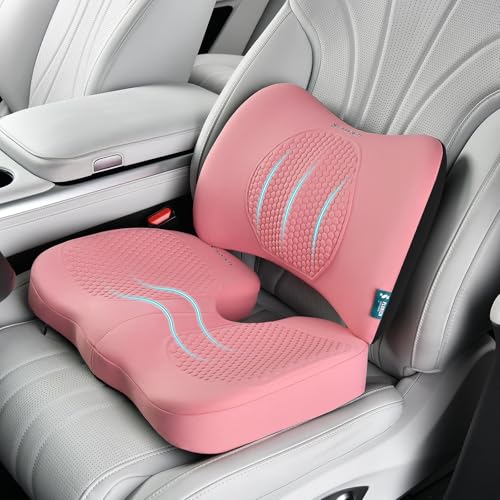
For more information, check out our guide on Best Massage Chair Pads and Seat Cushions.