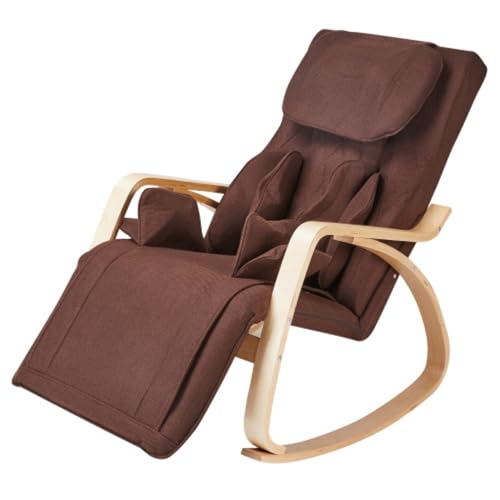
Running and jogging rank among the most accessible forms of exercise, requiring minimal equipment and offering proven health benefits. But this simplicity comes with a physical cost. The repetitive impact, constant muscle engagement, and accumulated mileage create recovery needs that many runners neglect until problems develop. A massage chair designed for running recovery helps maintain the muscle health and flexibility that keeps you running injury-free for years.


Understanding how running affects your body—and what type of recovery addresses these effects—guides you toward making an informed massage chair investment rather than settling for generic equipment that misses your specific needs.

Table of Contents
How Running and Jogging Affect Your Body
Lower Body Impact and Stress
For more information, check out our guide on Best Massage Chairs for Lower Back Pain.
Each running step generates impact forces of two to three times your body weight. Over the course of a typical training week, your legs absorb millions of pounds of cumulative force. This impact travels through your feet, ankles, shins, knees, and hips, creating stress throughout the entire lower body kinetic chain.
The calves, quadriceps, hamstrings, and glutes work continuously to propel you forward and absorb landing impact. These muscles develop significant fatigue that doesn't fully resolve with rest alone. Without active recovery, this fatigue accumulates week over week, eventually manifesting as chronic tightness, reduced performance, or injury.
Hip Flexor and Glute Demands
Your hip flexors lift your legs with every stride, performing thousands of contractions during each run. This repetitive shortening causes chronic hip flexor tightness that affects your running form, pulls on your lower back, and restricts your stride length. Many runners have hip flexors so tight they don't realize how restricted their hip mobility has become.
The glutes power your push-off and stabilize your pelvis with each step. Weak or fatigued glutes force other muscles to compensate, leading to chain-reaction problems in the hamstrings, IT band, and lower back. Maintaining glute health is essential for sustainable running.
IT Band and Outer Leg Issues
The iliotibial band runs along the outside of your thigh from hip to knee, and it's one of the most common sources of running-related pain. IT band syndrome causes pain at the outer knee or hip, developing when the band becomes too tight and creates friction during the running motion. While the IT band itself responds better to foam rolling than massage, the muscles that attach to it—particularly the tensor fasciae latae and gluteus maximus—benefit significantly from massage.
Lower Back Stress
Running engages the lower back muscles continuously for posture maintenance and rotation. The repetitive motion and impact create cumulative lower back fatigue that manifests as stiffness or pain, particularly after longer runs. Tight hip flexors exacerbate lower back problems by pulling the pelvis forward, increasing lumbar curve and stress.
Calf and Foot Fatigue
Your calves provide push-off power and act as shock absorbers with every step. The accumulated fatigue in these muscles can progress to Achilles tendon problems if not properly managed. Plantar fasciitis, one of the most common running injuries, develops partly from calf tightness that increases stress on the foot's connective tissue.
Essential Massage Chair Features for Runners
L-Track Roller Design
For runners, L-track coverage is essential rather than optional. Traditional S-track chairs only massage the back, completely missing the glutes and upper hamstrings that running stresses so heavily. L-track designs extend the roller path under the seat to work on these critical muscles.
The glutes connect to both your lower back and your legs, influencing hip mobility and providing running power. Any massage chair that doesn't address the glutes provides incomplete recovery for runners regardless of how well it works on the back.
Calf and Foot Massage
Look for chairs with dedicated calf massage, typically provided through airbag compression, and foot rollers that work the soles of your feet. These features address the lower leg fatigue that running creates and help prevent the calf tightness that contributes to Achilles and plantar fascia problems.
Adjustable calf rest positioning matters because it ensures the massage actually contacts where you need it. If the calf massage misses your calves due to improper positioning, the feature provides no benefit regardless of quality.
Hip and Lower Back Focus
Your lumbar region and hip complex need significant attention. Look for chairs with specific lumbar programs, dedicated lumbar heating, and air compression around the hips. Heat combined with massage is particularly effective for the lower back issues runners commonly experience.
Air compression around the hips helps release the chronically tight hip flexors that running creates. This compression works on muscle groups that rollers can't effectively reach, providing recovery for areas that accumulate significant running stress.
Deep Tissue Capability
For more information, check out our guide on Best Zero Gravity Massage Chairs.
Runner muscles develop significant density and chronic tightness that surface-level massage can't address. You need a chair with 3D or 4D roller technology that allows you to increase massage depth. The ability to control intensity is essential because some recovery sessions call for gentler work while others need deep tissue penetration.
Test any chair on your actual problem areas at higher intensity settings. If it can't create enough pressure to feel like it's genuinely working on tight hamstrings or calves, the chair won't serve your recovery needs regardless of other features.
Heat Therapy
Heat increases blood flow and relaxes muscles, making subsequent massage more effective. For runners, lumbar heat is particularly valuable given the lower back stress running creates. Some chairs offer heat in multiple locations—back, seat, calves—which provides more comprehensive warming.
Using heat during massage helps work through chronically tight muscles more effectively than massage alone. The combination addresses runner tightness patterns better than either treatment individually.
Optimal Massage Timing for Runners
Post-Run Recovery
Using your massage chair within an hour of completing your run provides optimal recovery benefits. Your muscles are warm, blood flow is elevated, and metabolic waste products are still concentrated in the working muscles. A 20-30 minute session helps flush this waste, reduces delayed onset muscle soreness, and prepares your muscles to rebuild.
Avoid maximum intensity immediately after hard runs. Your muscles are already fatigued and potentially dealing with micro-damage. Moderate intensity massage promotes recovery without adding stress. Save the intense deep tissue work for rest days.
Pre-Run Preparation
A short massage session before running can help loosen tight muscles and increase range of motion. Keep these pre-run sessions brief—10-15 minutes—and use lighter intensity. The goal is warming and loosening rather than deep tissue work that might affect muscle responsiveness during your run.
Focus pre-run sessions on areas that feel particularly restricted. If your hip flexors are tight or your calves feel locked up, targeted attention to these areas before running helps you start with better movement quality.
Rest Day Deep Work
Rest days are the appropriate time for longer, more intensive massage sessions. A 30-45 minute program at higher intensity addresses accumulated tension from your training week. This deeper work promotes actual recovery rather than just symptomatic relief.
Include areas you might skip during quick post-run sessions—feet, lower legs, and secondary muscle groups that accumulate fatigue without feeling immediately problematic.
Addressing Common Runner Issues
Chronic IT Band Problems
If you experience IT band syndrome, focus on the muscles that attach to the band rather than the band itself. Chairs with strong glute massage and hip air compression address the tensor fasciae latae and glute muscles that contribute to IT band tightness. L-track coverage becomes essential for reaching these muscles effectively.
Lower Back Pain
Running-related lower back pain typically involves both the lumbar muscles themselves and the hip flexors that affect pelvic position. Look for chairs with strong lumbar coverage, lumbar heat, and hip compression that addresses hip flexor tightness. Zero gravity positioning takes pressure off the spine during massage, providing additional benefit for lower back issues.
Hamstring Tightness
For more information, check out our guide on Best Massage Chairs with Air Compression.
Chronic hamstring tightness affects most regular runners. L-track chairs that extend under the seat work the upper hamstrings, providing more recovery benefit than chairs that only cover the back. Leg rest massage, particularly air compression, helps with overall leg recovery though it can't fully replace manual hamstring work.
Calf and Achilles Issues
If you're developing Achilles problems or calf tightness, prioritize chairs with quality calf massage. Air compression provides sustained pressure that helps release calf tension, and foot massage addresses the plantar fascia connection. Heat in the calf region, if available, enhances effectiveness.
Plantar Fasciitis Prevention
Plantar fasciitis often develops from calf tightness that increases stress on the foot's connective tissue. Chairs with both calf massage and foot rollers help address both sides of this equation. Regular use provides preventive benefit rather than waiting for problems to develop.
Training Load Considerations
Low Mileage Runners
If you run casually—10-20 miles per week—your recovery needs are different from high-mileage runners. A mid-range chair with L-track coverage and decent calf massage likely meets your needs without requiring top-tier features. Focus on consistency of use rather than maximum intensity capabilities.
High Mileage and Marathon Training
Runners covering 40+ miles per week or training for marathons need more serious recovery tools. Invest in chairs with the best L-track coverage, strongest calf and foot massage, and multiple intensity options. The accumulated stress from high training loads requires more aggressive recovery than casual running.
Daily use becomes more important at higher training loads. The investment in a quality chair provides returns through maintained training consistency—missed days due to injury or excessive fatigue cost you more than the chair in long-term progress.
Age Considerations
Older runners recover more slowly and experience more cumulative wear. If you're over 50 and still running regularly, the investment in quality recovery equipment becomes more valuable. Your muscles need more help recovering, and the margin for error before injury decreases. A good massage chair helps maintain the training consistency that keeps you running.
Budget and Value Considerations
Quality massage chairs with the L-track coverage and intensity runners need typically cost $2,000-5,000. This investment compares favorably to regular sports massage therapy. If you'd otherwise pay for monthly professional massage, a home chair typically pays for itself within two to three years while providing daily availability.
Consider the cost against potential injury consequences. Running injuries often require physical therapy copays, missed races with non-refundable entry fees, and lost training time. A massage chair that helps prevent injuries provides value beyond the direct comparison to massage therapy costs.
What to Avoid
Don't compromise on L-track coverage. Chairs without glute massage miss the most critical recovery area for runners. This feature isn't optional for serious running recovery.
Avoid chairs with inadequate calf massage or no calf coverage at all. Your calves absorb running impact and need recovery attention. A chair that ignores them provides incomplete recovery regardless of how well it works on the upper body.
Be cautious of chairs from unknown brands without established service networks. When something breaks—and mechanical devices eventually do—you need accessible repair options. Established manufacturers with dealer networks provide better long-term support.
Conclusion
Running creates predictable stress patterns that require targeted recovery. L-track coverage for glutes, quality calf and foot massage, deep tissue capability, and heat therapy address the specific demands running places on your body. The right massage chair isn't a luxury—it's a tool that helps you maintain the muscle health needed for sustainable, injury-free running. For runners serious about long-term training consistency, the investment in appropriate recovery equipment pays ongoing dividends in maintained performance and avoided injuries.
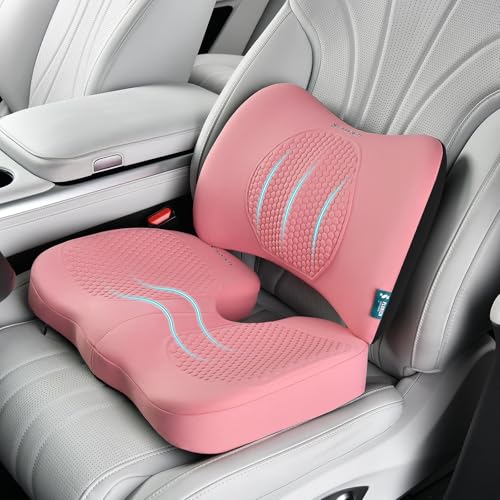
For more information, check out our guide on Best Massage Chair Pads and Seat Cushions.