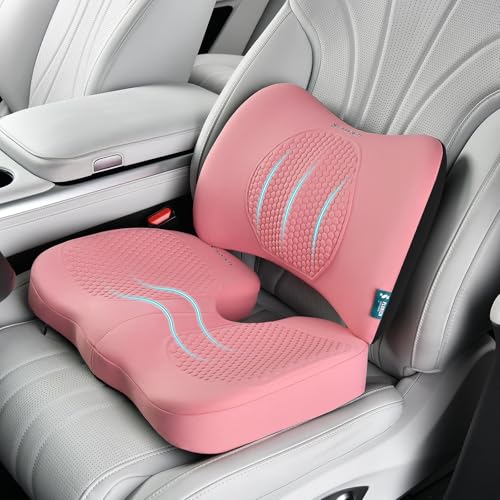
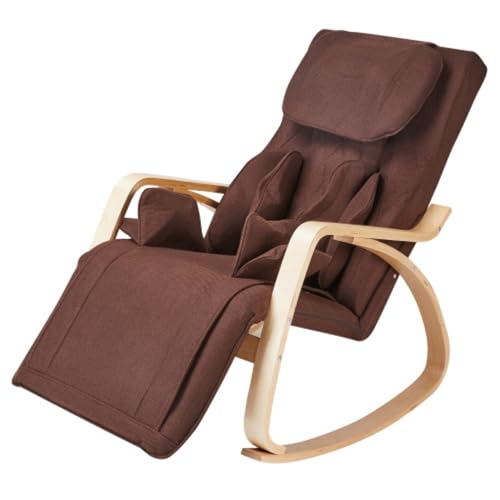
Poor posture has become an epidemic of the modern world. Hours spent hunching over computers, looking down at phones, and sitting in chairs have created generations of people with rounded shoulders, forward head position, and spinal misalignment. While massage chairs cannot mechanically realign your spine, they can address the muscle imbalances and tension patterns that contribute to poor posture—and when used consistently, they can help support the muscular conditions that allow better posture.


This guide examines how posture problems develop, what massage can and cannot do for posture correction, and which massage chair features provide the most benefit for posture-related issues.

Table of Contents
Understanding Posture Problems
How Poor Posture Develops
For more information, check out our guide on Best Massage Chairs for Lower Back Pain.
Posture isn't simply a choice—it's the result of muscular balance, habit, and the positions we maintain throughout each day. When we spend hours in forward-leaning positions, our bodies adapt. The muscles in the front of the body shorten while the muscles in the back lengthen and weaken. This creates an imbalance that makes poor posture feel natural and good posture feel strained.
The chest muscles (pectoralis) shorten from prolonged positions with arms forward—typing, driving, phone use. The upper back muscles (rhomboids, middle trapezius) become overstretched and weak. This imbalance pulls the shoulders forward even when you're not consciously hunching.
Forward head posture develops similarly. Looking down at screens or forward at monitors below eye level causes the neck muscles to adapt to holding the head in a forward position. The muscles at the front of the neck shorten while those at the back strain to support the head against gravity.
The Muscular Factors
Several key muscle groups affect posture:
The upper trapezius becomes chronically tight from the work of supporting forward head position. This creates the characteristic "tense shoulders" that most desk workers experience.
The levator scapulae, running from the neck to the shoulder blade, tightens and contributes to the neck pain and stiffness associated with poor posture.
The pectoralis muscles shorten and pull the shoulders forward. Without stretching and strengthening of the opposing muscles, this shortening is progressive.
The lower back muscles can either tighten or weaken depending on the specific posture pattern. Some people develop tight erector spinae; others have weak core muscles that can't maintain spinal alignment.
Hip flexors shorten from prolonged sitting, tilting the pelvis forward and affecting the entire spinal curve above.
Why Simple Awareness Isn't Enough
Being told to "sit up straight" doesn't fix posture because the muscle imbalances make correct posture feel unnatural and tiring. Until the tight muscles are lengthened and the weak muscles strengthened, maintaining good posture requires constant conscious effort that's unsustainable throughout a workday.
What Massage Can Do for Posture
Releasing Tight Muscles
Massage can effectively address the muscular component of posture problems. The chronically shortened chest muscles, tight upper trapezius, and tense neck muscles all respond to massage. By releasing this tension, massage creates conditions more favorable for maintaining correct posture.
Regular massage prevents the progressive tightening that makes posture worse over time. Each day of desk work adds to muscle tension; regular massage prevents this accumulation from becoming permanent restriction.
Reducing Pain That Affects Posture
Posture-related pain creates a feedback loop—poor posture causes pain, and pain causes compensatory postures that make things worse. Massage can interrupt this cycle by reducing the pain that drives compensatory patterns.
When the tension headaches, neck pain, and upper back discomfort of poor posture are relieved, you're better able to maintain proper positioning without pain driving you back into hunching patterns.
Improving Body Awareness
Regular massage can improve proprioception—awareness of your body's position. When muscles are tight and restricted, you may not accurately perceive your posture. Release of this tension can help you feel where your body actually is, supporting conscious posture correction.
What Massage Cannot Do
Structural Realignment
Massage chairs cannot physically realign your spine or change skeletal structure. True spinal misalignment requires medical intervention—whether chiropractic adjustment, physical therapy, or in serious cases surgical intervention. Massage addresses muscles, not bones.
Permanent Correction Without Other Changes
Massage alone doesn't create permanent posture improvement. If you receive massage and then return to the same positions and habits that created the problem, the posture issues will return. Massage must be combined with exercise, stretching, and environmental changes for lasting results.
Replacing Professional Treatment
Serious posture problems or conditions like scoliosis require professional medical care. Massage chairs are wellness devices, not medical treatments. If you have significant postural issues, work with healthcare providers in addition to home massage.
Key Massage Chair Features for Posture Support
For more information, check out our guide on Best Massage Chairs for Neck and Shoulder Pain.
Strong Upper Back Coverage
The upper back and shoulder area is critical for posture work. Look for chairs with comprehensive coverage between the shoulder blades, the ability to focus extended attention on this region, and intensity sufficient to work through the chronic tension that develops there.
Adjustable roller width helps ensure the massage reaches your actual shoulder muscles rather than just the spine. For posture work, the rollers need to contact the muscles that pull your shoulders back.
Neck and Cervical Massage
Forward head posture involves significant neck muscle tension. Quality neck massage capability addresses the tight muscles at the back of the neck that strain to hold the head forward. Look for rollers or dedicated massage units that work the cervical spine and the base of the skull.
Shoulder Compression
Airbag compression around the shoulders works the areas rollers can't effectively reach—the front of the shoulders where the chest muscles attach, and the top of the shoulders where the trapezius is usually tightest. Shoulder compression complements roller work for more complete treatment.
Stretching Functions
Chairs with body stretching programs that twist the torso and extend the spine provide value for posture work. These stretches help counteract the compression and forward curling of poor posture. The mechanical stretching complements the massage for more comprehensive treatment.
Hip and Lower Back Work
L-track coverage that extends under the seat addresses the hip flexors and glutes that affect lower spinal posture. The connection between hip position and overall posture makes this coverage valuable even though it's below the obvious problem areas.
Strong lumbar massage helps with the lower back tension that develops from compensation for upper body posture problems. The entire spine needs attention, not just where you feel the most tension.
Heat Therapy
Heat relaxes muscles and increases blood flow, enhancing the effectiveness of massage for releasing chronic tension. For posture-related muscle tightness, the combination of heat and massage works better than massage alone.
Using Massage for Posture Improvement
Consistency Over Intensity
Daily moderate sessions provide more posture benefit than occasional intense treatments. The muscle tension returns when you resume daily activities; consistent treatment prevents accumulation. Think of massage as daily maintenance rather than occasional correction.
Pre-Work Sessions
Morning or pre-work massage can help you start the day with relaxed muscles, making it easier to maintain better posture in the early hours. This approach addresses yesterday's tension before today's work adds to it.
Post-Work Recovery
Evening sessions address the tension accumulated during the day before it consolidates overnight. Sleeping with less tension allows muscles to reset closer to normal length rather than adapting to shortened positions.
Combining with Exercise
For more information, check out our guide on Best Massage Chairs with Body Scanning.
Massage works best when combined with strengthening and stretching exercises. While massage releases tight muscles, exercise strengthens the weak ones. This combination addresses both sides of the muscular imbalance that causes poor posture.
Exercises that strengthen the upper back—rows, reverse flies, and other pulling movements—counteract the tendency for these muscles to weaken. Core strengthening supports spinal alignment. Stretching maintains flexibility in areas prone to tightening.
Environmental Modifications
Massage helps with symptoms, but addressing causes prevents the problem from recurring. Ergonomic workstation setup, appropriate monitor height, regular movement breaks, and attention to phone use positions all reduce the posture stress that creates muscle imbalances.
Realistic Expectations
What You Might Experience
With consistent massage chair use focused on posture-related areas, you may notice reduced upper back and neck pain, less tension headaches, improved comfort when attempting to sit correctly, and gradually easier maintenance of better positions.
These improvements develop over weeks of consistent use, not immediately. Muscle adaptation happens slowly; so does reversal of that adaptation.
What Requires Additional Intervention
If you have significant structural issues, chronic severe pain, or posture problems that don't respond to home treatment, consult with healthcare providers. Physical therapy, chiropractic care, or medical evaluation may be needed alongside home massage.
Budget Considerations
Quality massage chairs with the upper back coverage, stretching features, and comprehensive treatment needed for posture work typically cost $2,500-5,000. Features important for posture—strong shoulder and neck coverage, stretching programs, body scanning—are found in mid-to-higher-end chairs.
Consider the cost against ongoing professional treatment for posture-related pain. Chiropractic visits, massage therapy, and physical therapy all cost significant money over time. A quality massage chair providing daily treatment may be cost-effective compared to regular professional care.
What to Avoid
Expecting Quick Fixes
Don't expect immediate posture transformation from massage chair use. Muscle imbalances develop over years and take time to address. Patience and consistency produce results; expecting instant correction leads to disappointment.
Relying on Massage Alone
Don't assume massage alone will fix posture. The combination of massage, exercise, stretching, and environmental changes provides comprehensive treatment. Massage is one component, not a complete solution.
Ignoring Significant Problems
Don't use a massage chair as a substitute for medical care of significant postural issues. Conditions like scoliosis, degenerative disc disease, or post-injury problems require professional treatment.
Conclusion
Massage chairs support posture improvement by releasing the tight muscles that pull the body into poor alignment. Strong upper back and shoulder coverage, neck massage, stretching functions, and consistent daily use provide the most benefit. However, massage works best as part of a comprehensive approach that includes exercise, stretching, and environmental modifications. With realistic expectations and consistent use, the right massage chair can be a valuable tool in addressing the muscle imbalances that make good posture difficult to maintain.
For more information, check out our guide on Best Massage Chair for Posture Correction.