Martial arts training creates a unique combination of physical demands that few other activities match. The explosive kicks, repetitive striking, grappling strain, and constant flexibility requirements accumulate into distinct recovery needs. Whether you practice karate, taekwondo, Brazilian jiu-jitsu, judo, MMA, or any other martial art, the right massage chair can accelerate recovery, maintain the flexibility your techniques require, and help you train more consistently without the chronic soreness that often limits martial artists.


Understanding how different martial arts disciplines affect your body helps you identify which massage chair features actually matter for your training versus which are marketing features irrelevant to martial artists.

Table of Contents
How Martial Arts Training Affects Your Body
Hip Flexibility and Strain
For more information, check out our guide on Best Massage Chairs for Lower Back Pain.
The hips are central to virtually every martial art. High kicks require extreme hip flexibility. Grappling demands hip mobility for guard work and escapes. Striking arts use hip rotation to generate power. The constant demands on the hip complex create both flexibility requirements and accumulated strain that need specific attention.
Hip flexors become chronically tight from repeated kicking and the defensive stances common in many arts. Tight hip flexors pull on the lower back, contributing to the lower back issues that affect many martial artists. The groin muscles—the adductors—experience strain from kicking and the wide stances of many martial arts. Outer hip muscles and the iliotibial band can become problematic from lateral movement and rotational kicks.
Lower Back Stress
The lower back takes significant punishment in martial arts. Striking arts require hip rotation that stresses the lumbar spine repeatedly. Grappling puts the back through extreme ranges of motion, including positions that compress and twist the spine. Even basic stances create sustained isometric loading of the lower back muscles.
Throws in judo and wrestling subject the lower back to explosive loading. Ground work in BJJ and MMA puts the back in positions it wasn't designed to sustain. Over time, this accumulated stress creates chronic lower back tension that requires active recovery.
Shoulder and Upper Back Demands
Punching, clinching, grappling, and throwing all stress the shoulders intensely. The rotator cuff works constantly to stabilize the shoulder during strikes and clinch work. The upper back muscles engage during every grip fight and throw attempt. Submissions in grappling arts specifically target joints, and the shoulders absorb countless near-submissions during training.
The combination of impact from striking and strain from grappling creates tension patterns in the shoulders and upper back that accumulate over years of training. Many experienced martial artists carry chronic shoulder and upper back tightness that affects both their training and daily life.
Neck Stress
Martial arts subject the neck to unusual demands. Grappling involves fighting chokes and controlling your head position. Striking requires absorbing impact and maintaining head position during exchanges. Throws and takedowns stress the neck during both execution and landing.
The small muscles at the base of the skull and along the cervical spine work constantly during training. This creates tension that can lead to chronic neck pain and headaches if not addressed through proper recovery.
Leg Fatigue and Impact
Kicking arts create significant leg fatigue from both throwing kicks and checking incoming kicks. The calves, quadriceps, and hamstrings work continuously during training. Impact from kicks and knee strikes affects the muscles and can create chronic tightness in the legs.
Footwork in all martial arts creates calf fatigue that accumulates over training sessions. The stance-fighting and direction changes stress the legs in ways that differ from running or other linear activities.
Essential Massage Chair Features for Martial Artists
Superior Hip Coverage
L-track massage chairs that extend roller coverage under the seat to work on the glutes are essential for martial artists. Your hips do enormous work and need major recovery attention. Chairs that only massage the back leave your most critical area untreated.
Air compression around the hips addresses the hip flexors and outer hip muscles that rollers can't effectively reach. Some chairs include hip-twisting features that add range of motion work to the compression and massage. For martial artists who need to maintain extreme hip flexibility, these features provide genuine value.
Deep Tissue Capability
Martial arts training creates dense, tough muscle tissue that surface-level massage can't effectively penetrate. You need a chair with 3D or 4D roller technology that allows you to increase massage depth significantly. The ability to dial up intensity ensures the massage can work through the conditioned tissue martial arts develops.
Test any chair on your actual problem areas at maximum intensity. If it can't create enough pressure to feel like it's genuinely working on your back, hips, or shoulders, the chair won't serve martial arts recovery needs regardless of other features.
Comprehensive Back Coverage
Your entire back needs attention—lower back from the rotational stress, mid-back from grappling and clinching, upper back from the shoulder work. Look for chairs with complete spinal coverage and the ability to focus attention on specific regions when needed.
Body scanning that accurately maps your spine ensures the rollers contact your actual problem areas rather than missing them due to your specific build. For martial artists with developed back musculature, accurate scanning matters more than for average users.
Shoulder and Neck Focus
Upper body work should effectively reach the base of your skull and outer shoulders—areas that traditional massage chairs often miss. Adjustable intensity in the neck region is valuable because the cervical muscles are smaller and more sensitive than back muscles.
Shoulder air compression addresses the deltoids and the muscles across the front of the shoulders that rollers can't effectively reach. For martial artists who punch and clinch, this coverage addresses significant training stress.
Leg and Calf Massage
For more information, check out our guide on Best Massage Chairs for Neck and Shoulder Pain.
Look for chairs with dedicated calf massage, typically provided through airbag compression, and foot rollers that work the soles of your feet. These features address the lower leg fatigue that martial arts footwork and kicking create. Adjustable leg rest positioning ensures the massage actually contacts your legs appropriately.
Body Stretching Features
Martial arts require maintained flexibility, and chairs with stretching programs that extend the spine, twist the torso, or pull on the legs provide value beyond standard massage. These movements help maintain the range of motion your techniques require.
Hip-twisting features are particularly valuable for martial artists. The rotation helps maintain the hip mobility that kicking and ground work demand.
Heat Therapy
Heat increases blood flow and relaxes muscles, making massage more effective. For martial artists, lumbar heat addresses the lower back stress training creates. Heat in multiple locations—back, seat, calves—provides more comprehensive warming.
Discipline-Specific Considerations
Striking Arts (Karate, Taekwondo, Kickboxing, Muay Thai)
Striking arts emphasize hip flexibility for kicking and shoulder conditioning from punching. Prioritize L-track hip coverage, shoulder massage, and leg massage. The repetitive nature of kick training creates significant hip flexor and glute fatigue. Upper body conditioning from bag work and pad holding stresses the shoulders and upper back.
Grappling Arts (BJJ, Judo, Wrestling)
Grappling creates extreme demands on the neck, shoulders, and lower back. Prioritize neck massage capability, strong shoulder coverage, and comprehensive back massage. The positions of ground fighting stress the entire spine, and grip fighting fatigues the forearms and shoulders. Arm massage features provide additional value for addressing grip fatigue.
Mixed Martial Arts
MMA combines the demands of striking and grappling, requiring comprehensive recovery that addresses everything. Prioritize chairs with the most complete coverage—L-track for hips, strong shoulders and neck, full back coverage, and leg massage. The varied training of MMA means you'll stress different areas on different days, and your massage chair needs to address all of them.
Optimal Massage Timing for Martial Artists
Post-Training Recovery
Using your massage chair within 1-2 hours of training provides optimal recovery benefits. Your muscles are warm from exercise, blood flow is elevated, and addressing training stress before it consolidates helps reduce next-day soreness.
Focus on the areas you stressed most in that session. After kick-heavy training, emphasize hips and legs. After grappling, focus on shoulders, neck, and back. Tailoring your massage to your training helps address what needs the most attention.
Pre-Training Mobility
Brief massage before training can help loosen tight muscles and improve range of motion. Keep pre-training sessions short—10-15 minutes—and use moderate intensity. Focus on areas that feel restricted, particularly hips if you'll be kicking.
Some martial artists find pre-training massage affects their explosiveness. Experiment to find whether pre-training massage helps or hinders your performance.
Rest Day Deep Work
For more information, check out our guide on Best Zero Gravity Massage Chairs.
Rest days are the appropriate time for longer, intensive massage sessions. A 30-45 minute deep tissue program addresses accumulated fatigue from your training week. Use maximum intensity to work on chronic problem areas—the tight hips, stiff back, and tense shoulders that training creates.
Competition Preparation
In the days before competition, use massage to maintain recovery without exhausting yourself. Moderate intensity helps you stay loose without the fatigue deep tissue work can cause. Avoid maximum intensity sessions immediately before competing.
Addressing Common Martial Arts Issues
Chronic Hip Tightness
If your hip flexibility is decreasing, prioritize L-track chairs with the best glute coverage and hip air compression. Hip-twisting features help maintain range of motion. Combine massage chair use with a dedicated flexibility routine for best results.
Lower Back Pain
The rotational and positional stress of martial arts commonly causes lower back issues. Chairs with strong lumbar massage, lumbar heat, and L-track coverage address both the lumbar muscles and the hip muscles that affect lower back health. Zero gravity positioning takes pressure off the spine during recovery.
Neck and Shoulder Problems
Grappling-related neck issues require chairs with strong neck massage capability and heat in the cervical region. Shoulder problems from striking or grappling benefit from comprehensive shoulder coverage and the ability to target the upper back. Address these issues proactively before they become chronic.
Overall Accumulated Fatigue
Martial arts training accumulates fatigue that affects your energy and performance. Regular massage chair use—even when nothing hurts specifically—helps maintain better overall recovery and training readiness. Consistent recovery enables consistent training.
Budget and Value Considerations
Quality massage chairs with the hip coverage and intensity martial artists need typically cost $2,500-5,000. This investment compares to roughly two years of monthly sports massage therapy. For martial artists who train multiple times weekly, the daily availability of a home chair often justifies the investment.
Consider the investment against injury risk. Martial arts injuries can mean months away from training and potential medical costs. Investing in recovery helps maintain the muscle health that reduces injury risk.
What to Avoid
Don't compromise on L-track coverage. Martial artists need hip recovery, and chairs without glute massage miss this critical area. This feature is essential for martial arts recovery.
Avoid chairs with insufficient intensity. The conditioned muscles martial arts develops require deep tissue work that surface-level massage can't provide. Test on your actual problem areas.
Be cautious of chairs without good neck coverage. Grappling arts particularly stress the neck, and a chair that can't effectively reach this area provides incomplete recovery for grapplers.
Conclusion
Martial arts training creates distinct recovery demands centered on hip flexibility, lower back stress, and the shoulder and neck work that striking and grappling require. The right massage chair addresses these patterns directly, maintaining the mobility your techniques demand while recovering from the strain training creates. L-track coverage for hips, deep tissue capability, comprehensive back coverage, and stretching features provide the most benefit for martial artists. The investment pays dividends through maintained training consistency, reduced injury risk, and the daily recovery access that supports long-term progress in your art.
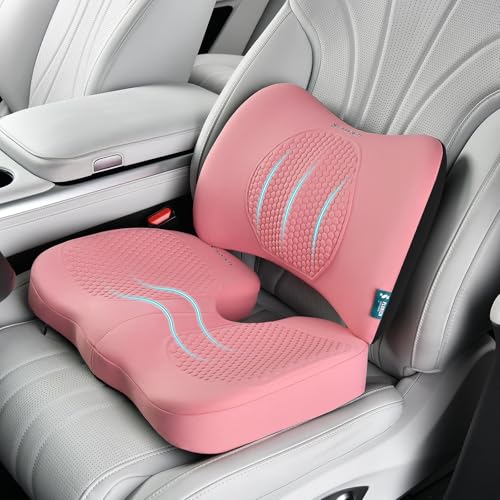
For more information, check out our guide on Best Massage Chair Pads and Seat Cushions.