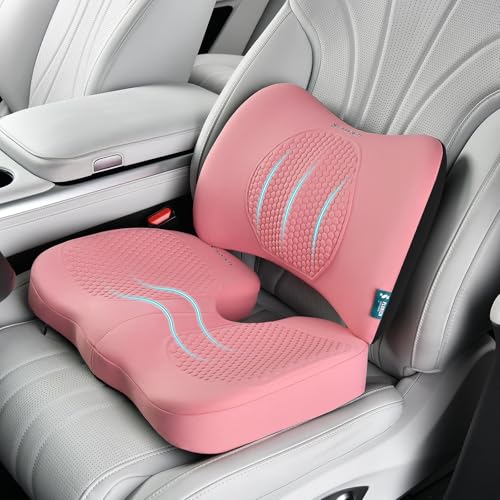
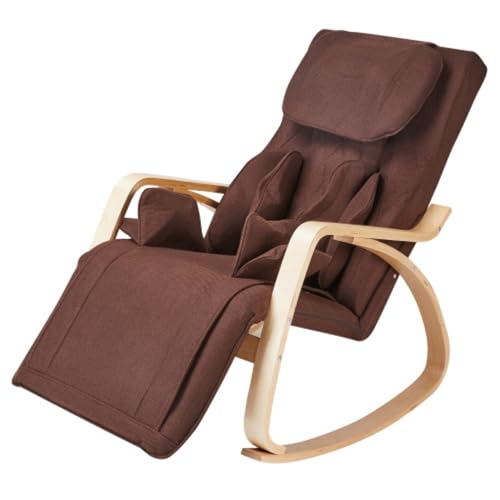
Desk work may not seem physically demanding, but the cumulative stress of sitting at a computer for 8+ hours daily creates serious health consequences. Office professionals and desk workers experience unique physical challenges—chronic neck tension, lower back pain, hip tightness, and repetitive strain injuries—that develop gradually and can become debilitating if not addressed. A massage chair designed for desk workers provides targeted relief and helps counteract the damaging effects of prolonged sitting.


Understanding how desk work specifically affects your body helps you evaluate which massage chair features actually address your needs versus which are marketing features irrelevant to office professionals.

Table of Contents
How Desk Work Damages Your Body
The Seated Posture Problem
For more information, check out our guide on Best Massage Chairs for Lower Back Pain.
Humans aren't designed for prolonged sitting. The seated position places continuous load on the lumbar spine, compressing intervertebral discs and straining the muscles that support your back. Even with perfect ergonomic setup, sitting for hours creates cumulative stress that no office chair can fully prevent.
The typical desk posture compounds the problem. Forward head position, rounded shoulders, and flexed hips become habitual patterns that persist even when you're not at your desk. These postural changes tighten some muscles while weakening others, creating imbalances that affect your entire body.
Lower Back Stress
Sitting loads the lumbar spine more than standing or lying down. The seated position also causes the hip flexors to shorten, which tilts the pelvis forward and increases the curve of the lower back. This combination of spinal compression and muscular imbalance is why lower back pain is nearly universal among desk workers.
The problem worsens with time. Years of sitting create chronic patterns that don't resolve with a weekend away from the desk. Without active recovery, the lower back issues that start as occasional discomfort progress to persistent pain that affects quality of life.
Neck and Upper Back Tension
Looking at a screen places your head forward of your shoulders, dramatically increasing the work your neck muscles must do to support your head. For every inch your head moves forward, the effective weight your neck supports increases by roughly 10 pounds. Most desk workers spend their days with their heads 2-3 inches forward, meaning their neck muscles work as if supporting a head weighing 30-40 pounds instead of the normal 10-12.
The upper back rounds forward with desk work, stretching the muscles between your shoulder blades while tightening the chest muscles. This creates chronic tension in the upper trapezius, levator scapulae, and rhomboid muscles—the characteristic tight, painful upper back that desk workers know well.
Shoulder Tension and Tightness
Keyboard and mouse use positions your arms in front of your body for extended periods, causing the shoulders to round forward. The anterior deltoids and pectoralis muscles shorten while the posterior shoulder muscles lengthen and weaken. This imbalance contributes to shoulder pain and can lead to rotator cuff issues over time.
Holding your arms in typing position creates static muscle fatigue in the shoulders. Unlike dynamic exercise where muscles contract and relax, desk work requires sustained low-level muscle activation that creates a different type of fatigue and tension.
Hip Flexor Shortening
Sitting keeps your hip flexors in a shortened position for hours at a time. These muscles—particularly the psoas and iliacus—adapt to this shortened position, becoming chronically tight. Tight hip flexors pull on your lower back, contributing to lumbar pain and affecting your posture even when standing or walking.
The combination of hip flexor tightness and weakened glutes from inactivity creates the classic desk worker pattern: an anterior pelvic tilt that increases lower back curve and creates cascading problems throughout the body.
Wrist and Forearm Strain
Typing and mouse use create repetitive stress in the wrists and forearms. The muscles that control finger movement originate in the forearm, and constant use fatigues these muscles while the tendons can become irritated. Carpal tunnel syndrome and tennis elbow are common consequences of years of desk work.
Essential Massage Chair Features for Desk Workers
Superior Neck and Upper Back Coverage
This is the most critical feature for office professionals. You need a massage chair that effectively reaches the upper trapezius, the base of the skull, and the area between your shoulder blades. Many chairs focus roller coverage on the lower and mid-back, providing insufficient attention to where desk workers actually carry their tension.
Look for chairs with dedicated neck massage features—either rollers that reach the cervical spine or separate neck massage units. Some chairs include pillow-style neck massagers that provide more targeted neck work than back rollers alone.
Shoulder air compression addresses the anterior shoulder tension that rollers can't reach. Compression works the deltoids and the muscles across the front of the shoulders, helping correct the rounded-shoulder pattern desk work creates.
Strong Lumbar Focus
Your lower back needs significant attention to counteract sitting stress. Look for chairs with dedicated lumbar programs, focused lumbar roller action, and lumbar heat. Heat combined with massage is particularly effective for the chronically compressed lower back tissues.
Zero gravity positioning elevates your legs above your heart and takes pressure off the lumbar spine. For desk workers with significant lower back issues, this positioning provides meaningful benefit during recovery sessions.
Hip and Glute Attention
For more information, check out our guide on Best Massage Chairs for Neck and Shoulder Pain.
L-track designs extend roller coverage under the seat to work on the glutes that weaken from sitting. Air compression around the hips helps address the chronically shortened hip flexors. Together, these features address the hip complex that desk work significantly affects.
Some chairs include hip-twisting features that add movement to the hip complex. This rotation helps counteract the static positioning of desk work by taking the hips through their range of motion.
Body Stretching Programs
Desk work creates shortened muscles that benefit from stretching. Chairs with stretching programs that extend the spine, twist the torso, or pull on the legs provide value beyond standard massage. These movements counteract the compressed, contracted patterns that desk work creates.
Stretching features are particularly valuable for desk workers because they address the mechanical shortening that sitting causes. Massage loosens tight muscles, but stretching helps restore length to muscles that have adapted to shortened positions.
Arm and Forearm Massage
Look for chairs with airbag massage for the arms and forearms. This addresses the repetitive strain from typing and mouse use. Not all chairs include adequate arm coverage, so check this feature specifically if you experience forearm fatigue or wrist issues.
Heat Therapy
Heat increases blood flow and relaxes chronically tight muscles. For desk workers, heat in the lumbar region addresses lower back compression while upper back heat targets the chronically tense upper trapezius and neck muscles.
Heat is particularly valuable for addressing the chronic tension patterns desk work creates. These long-standing muscle tension issues respond better to the combination of heat and massage than to massage alone.
Optimal Massage Timing for Desk Workers
After-Work Recovery
Using your massage chair soon after finishing work addresses the tension accumulated during the day before it consolidates overnight. A 20-30 minute session helps release the muscle tightness from sitting, reducing the carryover of tension from one day to the next.
Focus on your neck, upper back, and lower back during after-work sessions. These areas accumulate the most desk-related tension and benefit most from prompt attention.
Pre-Sleep Relaxation
An evening massage session helps you transition from work mode to rest. The relaxation effect improves sleep quality, and better sleep means better recovery. Many desk workers find that regular evening massage chair use significantly improves their sleep.
Keep pre-sleep sessions at moderate intensity. Very intense massage close to bedtime may leave you feeling stimulated rather than relaxed.
Morning Preparation
If you wake with stiffness from sleeping positions that don't fully correct daytime postural issues, a brief morning session can help you start the day with better mobility. Keep morning sessions short—10-15 minutes—focused on loosening rather than deep tissue work.
Work Break Integration
If you work from home with your massage chair accessible, brief sessions during breaks can help prevent tension from accumulating throughout the day. Even 10-minute sessions between meetings or during lunch can maintain better muscle status than waiting until end of day.
Addressing Common Desk Worker Issues
For more information, check out our guide on Best Massage Chairs for Chronic Pain.
Chronic Neck Pain and Headaches
Neck tension from desk work frequently causes tension headaches. Chairs with strong neck massage, heat in the neck region, and the ability to target the base of the skull address this issue. Consistent daily use provides more benefit than occasional intensive sessions for chronic neck problems.
Upper Back Knots
The trigger points that develop between your shoulder blades need focused, intense massage. Look for chairs that can concentrate roller pressure on specific areas rather than only providing sweeping full-back massage. The ability to pause rollers on problem spots provides value for addressing persistent knots.
Lower Back Pain
Desk-related lower back pain involves both lumbar muscle tension and hip flexor tightness. Address both through chairs with strong lumbar massage plus L-track or hip air compression. Zero gravity positioning takes pressure off the spine during sessions, which is particularly valuable for significant lower back issues.
Shoulder Rounding Correction
The rounded shoulders desk work creates require both massage and stretching to address. Chairs with shoulder air compression help release tight anterior shoulder muscles. Stretching programs that pull the shoulders back help correct the postural pattern. Combine massage chair use with conscious postural exercises for best results.
Repetitive Strain Prevention
If you're developing wrist or elbow issues from typing, arm and forearm massage provides relief. Address these issues early—repetitive strain injuries become progressively harder to resolve once established. Regular arm massage combined with ergonomic improvements helps prevent progression.
Work-From-Home Considerations
Remote work has increased time spent at home desks, often with worse ergonomics than office setups. The increased desk time makes recovery more important. A massage chair in your home office area provides convenient access to recovery throughout the workday, not just after work.
Consider placing your massage chair in a location that encourages regular use. If it's in a basement you rarely visit, you're less likely to use it consistently. Visibility and accessibility increase usage frequency.
Budget and Value Considerations
Quality massage chairs with the neck and lumbar coverage desk workers need typically cost $2,000-5,000. This investment compares favorably to regular massage therapy or chiropractic care. For desk workers who would otherwise seek frequent professional treatment for neck and back issues, a home chair typically pays for itself over two to three years while providing daily availability.
Consider the cost against the consequences of untreated desk-related problems. Chronic pain affects work productivity, quality of life, and may eventually require medical intervention. Investing in preventive recovery is far less expensive than treating established problems.
For desk workers with employer health spending accounts or wellness benefits, massage chairs sometimes qualify as eligible expenses. Check with your benefits administrator about coverage options.
What to Avoid
Don't buy chairs with inadequate neck coverage. For desk workers, the neck and upper back are primary problem areas—a chair that doesn't effectively reach these areas provides limited value regardless of price.
Avoid chairs that lack intensity adjustment. Your needs vary based on how your day went and which areas need attention. Fixed intensity limits the chair's usefulness for addressing different situations.
Be wary of chairs from unknown brands without established service networks. Regular daily use means your chair will eventually need maintenance. Buying from established manufacturers with dealer support ensures you can get service when needed.
Conclusion
Desk work creates predictable physical stress patterns centered on the neck, upper back, lower back, and hips. The right massage chair directly counteracts these patterns, providing daily recovery that prevents the accumulation of damage from prolonged sitting. Strong neck and shoulder coverage, lumbar massage with heat, and hip mobility features provide the most benefit for office professionals. The investment pays dividends through reduced pain, better posture, and maintained physical health throughout a desk work career.
For more information, check out our guide on Best Massage Chair for Office Workers.