Cycling delivers exceptional cardiovascular benefits and leg strength, but it also creates specific physical stresses that require targeted recovery. The hunched riding position, repetitive pedaling motion, and hours spent in the saddle create tension patterns distinct from other athletic activities. The right massage chair addresses these cycling-specific issues, helping you recover faster and maintain the flexibility needed for optimal performance on the bike.


Understanding what makes cycling physically demanding—and how massage can help—guides you toward choosing equipment that genuinely supports your cycling goals rather than settling for generic massage that misses your actual problem areas.

Table of Contents
How Cycling Affects Your Body
Lower Back and Hip Flexor Strain
For more information, check out our guide on Best Massage Chairs for Lower Back Pain.
The forward-leaning cycling position keeps your hip flexors in a shortened, contracted state for extended periods. Over time, this creates chronic tightness that pulls on your lower back, contributing to the lower back pain that plagues many cyclists. The lumbar spine rounds forward while riding, reversing its natural curve and placing sustained stress on the lower back muscles and spinal structures.
This isn't something you can simply stretch away. The accumulated tension from hours of riding creates deep muscle tightness that requires more than casual stretching to release. Massage that specifically targets the lower back and hip complex provides the deeper work needed to genuinely release this cycling-induced tension.
Neck and Upper Back Tension
Looking up at the road while your torso leans forward creates significant neck strain. Your neck muscles work constantly to hold your head up against gravity in a position they weren't designed to maintain for hours. This leads to chronic tension in the upper trapezius, levator scapulae, and the small muscles at the base of your skull.
The shoulders round forward as you grip the handlebars, further contributing to upper back tension. Many cyclists develop persistent tightness between their shoulder blades that affects both comfort on the bike and quality of life off it. Left unaddressed, this tension can progress to chronic headaches and reduced mobility.
Glute and Hamstring Fatigue
Your glutes and hamstrings provide the power for pedaling, working repetitively through thousands of cycles during each ride. This creates muscle fatigue and the development of trigger points—localized areas of extreme tightness that refer pain to other areas and limit performance. Many cyclists carry chronic hamstring tightness that affects their pedaling efficiency and flexibility.
The seated position adds pressure on the glutes that compounds the fatigue from pedaling. Even with a properly fitted saddle, hours of sitting while simultaneously demanding power from these muscles creates recovery needs that simple rest doesn't fully address.
IT Band and Outer Leg Issues
The iliotibial band, running along the outside of your thigh, frequently becomes problematic for cyclists. The repetitive pedaling motion can irritate this band of connective tissue, leading to IT band syndrome—a painful condition that affects the outer knee and thigh. While the IT band itself responds better to foam rolling than massage, the muscles that attach to it benefit significantly from targeted massage work.
Essential Massage Chair Features for Cyclists
L-Track Roller Design
Traditional S-track massage chairs only cover the back, stopping at the waist. For cyclists, this misses critical recovery areas. L-track designs extend the roller path under the seat to work on the glutes and upper hamstrings—exactly the muscles that power your pedaling and accumulate the most fatigue.
The ability to massage the glutes isn't a luxury for cyclists; it's essential for addressing where your riding stress actually concentrates. Without L-track coverage, you're leaving your most worked muscles untreated while massaging areas that may need less attention.
Deep Tissue Capability
Cyclist muscles develop significant density and tightness that surface-level massage can't effectively address. Look for chairs with 3D or 4D roller technology that allows you to control massage depth. You need the option to increase intensity to work through the tough, conditioned tissue that cycling develops.
Test any chair on your actual problem areas at maximum intensity. If it can't provide enough pressure to feel like it's genuinely working on tight hamstrings or a tense lower back, the chair isn't suitable for serious cycling recovery regardless of its other features.
Hip and Lower Back Focus
For more information, check out our guide on Best Massage Chairs for Neck and Shoulder Pain.
Your lumbar region and hip complex need significant attention. Look for chairs with specific lumbar programs, dedicated lumbar heating, and the ability to focus roller attention on the lower back area. Air compression around the hips provides additional benefit, helping release the chronically shortened hip flexors that cycling creates.
Some chairs offer body scanning that adjusts to your spine's position. This ensures the rollers actually contact your problem areas rather than missing them due to your specific body dimensions.
Neck and Shoulder Targeting
Upper body massage needs to effectively reach the base of your skull and outer shoulders—areas that traditional massage chairs often miss. Adjustable intensity in the neck region is valuable because the muscles here are smaller and more sensitive than back muscles, requiring different pressure levels.
Pillow-style neck massagers built into the headrest provide more targeted neck work than rollers alone. The combination of roller massage for the upper back with dedicated neck massage addresses the full range of upper body tension cycling creates.
Leg and Calf Massage
Your legs do the work in cycling, and they need recovery attention. Calf airbag massage helps with the lower leg fatigue that builds during long rides. Some chairs include foot rollers that address tension in the feet from maintaining constant pressure on the pedals.
Adjustable leg rest positioning accommodates different leg lengths and ensures the calf massage actually contacts where you need it rather than missing your calves due to improper positioning.
Optimal Massage Timing for Cyclists
Post-Ride Recovery
Using your massage chair within two hours of finishing a ride maximizes recovery benefits. Your muscles are warm and blood flow is elevated, making them more responsive to massage. A 20-30 minute session helps flush metabolic waste from your muscles and reduces the delayed onset muscle soreness that can affect your next ride.
Don't go maximum intensity immediately after hard rides. Your muscles are fatigued and potentially inflamed, and aggressive massage can add stress rather than relieve it. Start with moderate intensity and let your body guide you on how much pressure feels productive rather than punishing.
Pre-Ride Preparation
A shorter massage session before riding can help loosen tight muscles and increase range of motion. Keep pre-ride sessions to 10-15 minutes at lighter intensity—the goal is warming and loosening, not deep tissue work that might leave you feeling sluggish on the bike.
Focus on areas that feel particularly tight or restricted. If your hip flexors feel locked up or your neck is stiff, targeted attention to these areas before riding helps you start with better positioning and comfort.
Rest Day Integration
Rest days are prime recovery time, and longer massage sessions fit well here. A 30-45 minute full body program helps maintain flexibility and address accumulated tension from your training week. Heat features are particularly valuable on rest days when you have time to let the warmth penetrate and relax tight muscles.
Common Cycling Problem Areas and Chair Solutions
For more information, check out our guide on Best Massage Chairs for Muscle Knots.
Chronic Lower Back Pain
Lower back pain is nearly universal among cyclists who ride significant distances. Chairs with strong lumbar massage, L-track coverage of the glutes, and lumbar heating provide the combination needed to address this issue. Zero gravity positioning takes pressure off the spine while you receive massage, compounding the benefit.
Consistency matters more than intensity for chronic lower back issues. Daily use of your massage chair, even for shorter sessions, creates cumulative improvement that occasional intense sessions don't match.
Neck and Headache Issues
If cycling gives you headaches or chronic neck tension, prioritize chairs with strong neck massage capabilities. Look for models with dedicated neck massage units rather than just relying on roller coverage that may not reach high enough. Heat in the neck region helps relax the small muscles that contribute to cycling-related headaches.
Hip Tightness and Inflexibility
Tight hips limit your pedaling efficiency and contribute to various overuse injuries. Air compression around the hips helps release tension in the hip flexors and outer hip muscles. L-track coverage works the glutes, which affect hip mobility. Some chairs include hip twisting features that add movement to complement compression and massage.
Hamstring Tightness
Chronic hamstring tightness is almost universal in regular cyclists. While massage chairs can't fully address hamstrings the way a manual therapist can, L-track chairs that work the upper hamstrings provide some benefit. Leg rest massage, particularly air compression, helps with overall leg recovery.
Budget Considerations
Quality massage chairs with the L-track coverage and intensity cyclists need typically cost $2,000-5,000. This is a significant investment, but consider it against the cost of regular sports massage therapy. If you'd otherwise pay for monthly or twice-monthly professional massages, a quality massage chair often pays for itself within two to three years while providing daily availability.
Don't compromise too much on the features that matter for cycling recovery. A cheaper chair that lacks L-track coverage or sufficient intensity won't serve your actual recovery needs regardless of price. It's better to save longer for an appropriate chair than to buy something that doesn't address your cycling-specific requirements.
What to Avoid
Avoid chairs marketed primarily for relaxation rather than therapeutic massage. These often lack the intensity needed for athletic recovery. Chairs without L-track coverage miss your most critical recovery areas. Low weight limits may indicate lighter-duty construction that won't hold up to daily use from an athletic user.
Be skeptical of chairs from unknown brands without service infrastructure. When something breaks—and mechanical devices eventually do—you need accessible repair options. Established brands with dealer networks provide much better long-term support.
Conclusion
Cycling creates specific physical demands that generic massage doesn't fully address. The right massage chair targets the hip flexors, lower back, glutes, and neck that bear the brunt of riding stress. L-track coverage, deep tissue capability, and dedicated neck massage are essential features for serious cyclists. While the investment is significant, daily access to targeted recovery makes it worthwhile for cyclists committed to maintaining their bodies and performance over the long term.
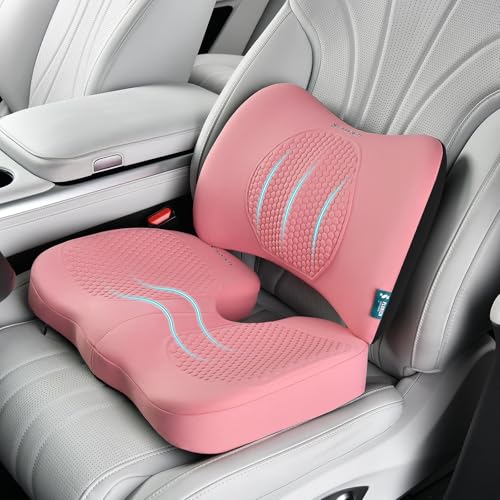
For more information, check out our guide on Best Massage Chair Pads and Seat Cushions.