Weightlifting pushes your muscles to their limits, creating the stress that triggers growth and strength gains. But that same stress leaves you sore, tight, and in need of serious recovery. The microtrauma that makes muscles grow also creates inflammation, tension, and fatigue that limits subsequent training. For weightlifters who want to maximize their gains while minimizing downtime, quality massage becomes essential recovery equipment, arguably as important as the barbell itself. The right massage chair addresses the specific patterns of tension and tissue damage that resistance training creates.


This guide covers why weightlifters need massage differently than other populations, which features matter most for strength training recovery, and which massage chairs deliver the treatment intensity that serious lifters require.

Table of Contents
The Unique Recovery Needs of Weightlifters
Understanding Training-Induced Muscle Damage
For more information, check out our guide on Best Massage Chairs for Lower Back Pain.
Weightlifting creates deliberate muscle damage that triggers the adaptation process leading to growth and strength gains. Heavy loading causes significant microtrauma to muscle fibers, particularly during eccentric contractions where muscles lengthen under load. This damage is necessary for progress but requires proper recovery to convert stress into adaptation rather than accumulated damage.
The inflammation following heavy training serves important signaling functions, bringing repair resources to damaged tissue. However, excessive or prolonged inflammation impairs subsequent training and can indicate inadequate recovery. Massage helps manage the inflammatory process, supporting necessary signaling while preventing the excessive inflammation that impairs progress.
Delayed onset muscle soreness (DOMS) peaks 24-72 hours after training and reflects the inflammation and repair process. While some soreness indicates effective training, excessive DOMS suggests recovery isn't keeping pace with training stress. Effective massage reduces DOMS severity and duration, allowing higher training frequency.
Pattern-Specific Tension
Different lifts create characteristic tension patterns that informed massage can address specifically. Understanding these patterns helps target treatment effectively.
Heavy squats compress the spine and create significant tension in the lower back, hips, and legs. The erector spinae, quadriceps, and glutes bear tremendous loading and commonly develop tension that limits subsequent performance. Hip flexors shorten from the deep hip position at the bottom of squats.
Bench pressing shortens the chest and internal rotators while creating tension in anterior shoulders. Over time, this pattern creates forward shoulder posture that can impair shoulder health. The triceps and front deltoids also develop significant tension from pressing.
Deadlifts stress the entire posterior chain from hamstrings through glutes to erectors and traps. The grip work creates forearm tension. The isometric back work creates particularly persistent tension that responds well to massage treatment.
Overhead pressing creates shoulder and upper back tension, particularly in the traps and levator scapulae. The thoracic spine stiffens from maintaining extended position under load.
Rows and pulling movements create tension in lats, rhomboids, and biceps. The grip demands parallel those of deadlifts, creating forearm fatigue.
Why Deep Tissue Matters
Lifters who have developed significant muscle mass require massage capable of penetrating thick tissue to reach the deeper fibers where most tension accumulates. Surface massage feels pleasant but doesn't address the restrictions developing in deeper layers.
Fascial adhesions form between muscle layers and between muscles and surrounding structures. These adhesions restrict muscle movement and force production. Deep work breaks these adhesions, maintaining the tissue quality that heavy training requires.
Trigger points develop within muscle bellies, creating localized knots that refer pain and tension to other areas. These trigger points require sustained pressure to release, pressure that light massage cannot provide.
Blood flow to deeper tissues benefits from massage pressure that reaches those depths. Surface work improves circulation only in superficial layers while leaving deeper tissue under-served.
Top Massage Chairs for Weightlifters
Osaki OS-Pro 4D Encore
The Osaki OS-Pro 4D Encore delivers the deep, variable massage that serious lifters need. The 4D mechanism adjusts not only position but also speed and depth during operation, allowing the rollers to work deeper into tissue when encountering resistance and backing off when appropriate.
The intensity range reaches levels that actually work through developed muscle tissue. Many massage chairs top out at pressures that feel adequate for general consumers but cannot penetrate the muscle mass that years of training develops. The Encore's maximum intensity serves serious athletes.
The extended L-track runs from neck through glutes, addressing the entire posterior chain stressed during compound lifts. This comprehensive coverage means a single session can address squat-stressed quads and glutes, deadlift-stressed hamstrings and erectors, and pressing-stressed shoulders and upper back.
Body scanning customizes roller positioning to individual anatomy, ensuring treatment reaches actual muscle locations rather than working generic positions. This personalization matters particularly for larger, more muscular users whose proportions may differ from average.
Heat therapy in lumbar and calf areas provides therapeutic warmth that prepares tissue for deep work and enhances circulation that supports recovery. The warmth feels particularly welcome after heavy training when muscles are tired and achy.
Daiwa Supreme Hybrid
The Daiwa Supreme Hybrid provides professional-grade massage that matches high-end treatment from skilled therapists. The hybrid approach combining multiple massage technologies creates varied stimulation that addresses different tissue layers and restriction types.
Inversion therapy adds spinal decompression that complements massage, particularly valuable after heavy squat or deadlift sessions that compress the spine under load. The gentle traction creates space between vertebrae, relieving compression that causes post-training back discomfort.
The massage intensity reaches therapeutic levels appropriate for treating trained athletes. The build quality ensures this intensity is sustainable over years of regular use, important for lifters who will use their massage chair as consistent recovery equipment.
Comprehensive air compression for arms and legs addresses the extremity tension that lifting creates. Forearm fatigue from grip work, bicep tension from pulling, and leg stress from squatting all receive treatment that roller-only massage cannot provide.
The stretch programs help maintain mobility that heavy lifting can reduce. Regular stretching through the chair helps counteract the shortening patterns that lifting creates, maintaining the range of motion that safe, effective technique requires.
Infinity Circadian SynerD
For more information, check out our guide on Best Massage Chairs for Muscle Knots.
The Infinity Circadian SynerD features dual-track technology providing particularly thorough coverage. The independent tracks work different areas simultaneously, reducing session time while maintaining comprehensive treatment.
The sports recovery programming specifically addresses athletic needs rather than general relaxation. These programs emphasize circulation enhancement, muscle recovery, and performance preparation rather than pure relaxation.
The intensity options include levels appropriate for athletic recovery. Multiple intensity settings allow matching treatment to current needs, using gentler settings for maintenance and more aggressive settings after particularly heavy sessions.
Air compression for legs supports the lower body recovery that leg-focused training requires. The sequential compression creates circulation benefits that help clear metabolic byproducts from heavily worked muscles.
Quality construction ensures the chair maintains performance under the regular, intensive use that serves as recovery equipment. Lesser chairs might provide adequate initial performance but fail under the usage demands of regular athletic recovery.
Titan Pro Jupiter XL
The Titan Pro Jupiter XL is built for larger users, an important consideration for lifters who have developed substantial muscle mass or who are naturally larger framed. The expanded dimensions ensure proper fit that allows massage to reach intended targets.
The 400-pound weight capacity accommodates serious strength athletes whose body weight combined with muscle mass exceeds capacity of standard chairs. The substantial construction handles larger loads without compromising massage delivery.
The 56-airbag system provides comprehensive compression coverage. For lifters with developed arms and legs, this extensive compression addresses extremity recovery that roller-focused chairs miss.
Intensity levels reach the therapeutic range that addresses trained muscle tissue. The deep tissue capability penetrates through developed musculature to reach restrictions in deeper layers.
The price point makes quality recovery equipment accessible for lifters who haven't yet justified premium investments. Getting effective recovery equipment at reasonable cost allows earlier adoption of consistent recovery practices.
Human Touch Novo XT2
The Human Touch Novo XT2 offers premium massage quality with particular strength in upper body treatment. For lifters whose training emphasizes pressing and upper body work, the focused upper body attention addresses common development areas.
The FlexGlide orbital massage provides varied stimulation that helps prevent adaptation. Regular massage with identical patterns can lose effectiveness as tissue accommodates; the varied movements maintain treatment novelty.
Quiet operation suits home gym environments where family members may be nearby. The reduced noise allows recovery sessions without disturbing others, important for early morning or late evening use.
Wall-hugging design allows placement closer to walls than traditional chairs require, valuable in home gyms with space constraints. The compact footprint preserves training space while adding recovery capability.
Integrating Massage Into Training Programs
Post-Workout Timing
Post-workout massage within two hours of training helps initiate recovery while blood flow to muscles remains elevated. This window represents the optimal time for removing metabolic waste products and beginning tissue repair processes that massage supports.
The immediate post-workout period is also when DOMS-prevention benefits are greatest. Massage before inflammation peaks can reduce the severity of subsequent soreness, maintaining the ability to train effectively in following sessions.
If immediate post-workout massage isn't practical, later sessions still provide benefit. Recovery is a continuous process, and massage at any point during recovery contributes to tissue restoration.
Rest Day Deep Work
Rest days provide opportunity for longer, more intensive massage sessions. Without concern about pre-training tissue status, you can work more aggressively on accumulated tension and chronic problem areas.
Many lifters find that rest day massage improves their next training session by addressing restrictions that would otherwise impair performance. Starting fresh rather than carrying residual tightness allows better training quality.
Rest days also allow time for the deeper relaxation that intensive massage promotes. The full nervous system recovery that comes with thorough rest-day massage supports the adaptation process beyond just muscle tissue recovery.
Pre-Training Considerations
For more information, check out our guide on Best Massage Chairs with Body Scanning.
Light massage before training can serve as warm-up, increasing blood flow and tissue temperature that prepares muscles for work. Brief massage also helps identify areas of particular tightness that may need attention during warm-up sets.
However, avoid deep tissue work immediately before lifting. Intense massage temporarily reduces muscle force production capability and may impair performance in subsequent training. Save aggressive treatment for post-training or rest days.
Periodization Alignment
Align massage intensity with training phases. During high-volume accumulation phases, more frequent massage helps manage the increased recovery demands. During competition preparation or peaking phases, lighter massage maintains tissue quality without adding recovery stress.
Deload weeks provide opportunity for more aggressive treatment of chronic restrictions. The reduced training stress allows deeper work without concern about impacting subsequent performance.
Addressing Common Lifting Issues
Lower Back Compression
Heavy squats and deadlifts compress the lumbar spine, creating achiness and stiffness that can become chronic. Massage helps decompress these structures through muscle relaxation and improved fluid dynamics around the spine.
Heat therapy in the lumbar region particularly helps post-squat and post-deadlift recovery. The warmth promotes blood flow that supports tissue restoration while providing comfort during acute discomfort.
Shoulder Health
Pressing creates anterior shoulder and chest tension that can pull shoulders forward and impair shoulder health. Regular massage addressing these muscles helps maintain the shoulder balance that safe pressing requires.
Air compression for shoulders, available in some massage chairs, provides treatment for this area that roller massage struggles to reach effectively.
Hip Flexor Tightness
Squatting and deadlifting in hip-hinged positions shortens hip flexors over time. This shortening affects pelvic position and can contribute to lower back problems. L-track massage that extends through the hip area helps maintain hip flexor flexibility.
What to Look For
Deep tissue intensity capable of penetrating developed muscle mass. Extended L-track coverage through entire posterior chain. Heat therapy for lumbar and other key areas. Comprehensive air compression for arms and legs. Body scanning for personalized positioning. Weight capacity appropriate for your size. Multiple intensity levels for varied use. Quality construction for sustained regular use.
Final Thoughts
For serious weightlifters, recovery determines how quickly and consistently you can train. A quality massage chair accelerates recovery, maintains tissue quality, and helps prevent the overuse issues that derail training progress. The Osaki OS-Pro 4D Encore provides the variable deep tissue work that addresses trained muscle effectively. The Daiwa Supreme Hybrid adds inversion therapy for spinal decompression particularly valuable after heavy lifting. The Titan Pro Jupiter XL serves larger athletes with appropriate sizing and intensity. Invest in recovery equipment that matches your training commitment, and let consistent massage help convert your hard work into the strength gains you're training for.
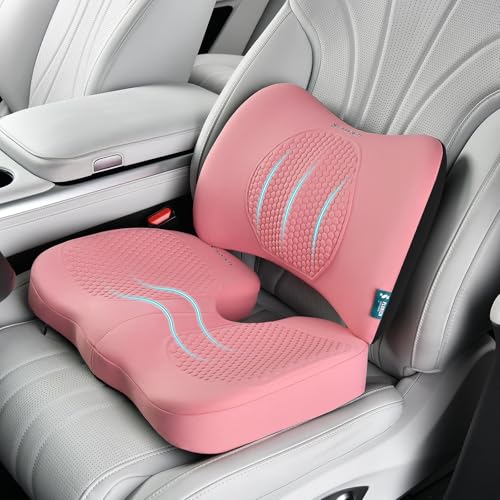
For more information, check out our guide on Best Massage Chair Pads and Seat Cushions.