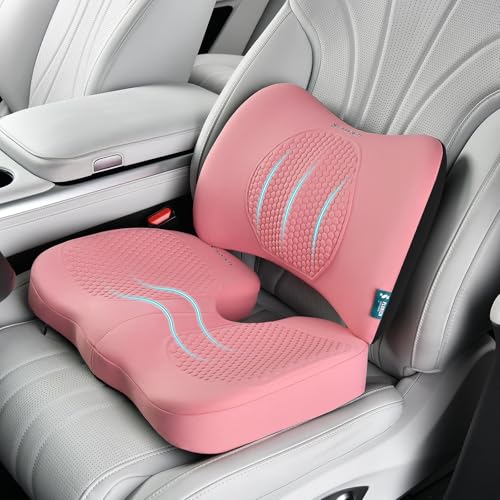
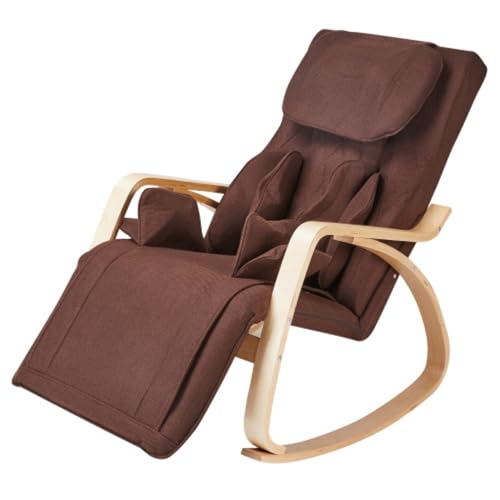
Teaching takes a physical toll that many people don't appreciate until they've spent years in the profession. Standing for hours, bending over student desks, carrying heavy materials, and the constant physical engagement with students creates specific stress patterns. Add emotional exhaustion from managing classrooms and grading into evenings, and teachers face a unique combination of physical and mental fatigue. A massage chair at home can provide the daily recovery that makes teaching sustainable long-term.


This guide covers the specific physical demands teachers face and which massage chair features address them most effectively.

Table of Contents
Physical Demands of Teaching
Standing and Walking
For more information, check out our guide on Best Massage Chairs for Lower Back Pain.
Most teachers spend the majority of their workday on their feet. Walking between student groups, standing at the board, circulating during activities - there's little time to sit. This constant standing stresses legs, feet, and lower back. By evening, many teachers experience significant leg fatigue and foot pain.
The standing isn't stationary either. Teachers move constantly, often on hard floors that provide little cushioning. This impact accumulates through the day and across the school year.
The chronic nature of this standing distinguishes it from occasional standing. Day after day, week after week, the same demands create cumulative stress that requires consistent recovery attention.
Bending and Stooping
Working with students means constantly bending to their level. Elementary teachers spend enormous amounts of time crouched beside small desks. Secondary teachers bend over seated students for individual help. This repeated flexion strains the lower back and hip flexors.
The bending patterns vary by grade level taught, but the strain remains constant. Whether crouching to kindergartener height or bending to check high school student work, the lower back absorbs the demand.
Carrying and Lifting
Books, supplies, student work, technology equipment - teachers haul significant weight daily. Carrying heavy bags between classroom and home, moving materials around the room, and lifting items from low storage takes a toll. Shoulders, arms, and back absorb this load.
The unpredictability of what needs carrying adds challenge. Unlike jobs with consistent lifting demands, teaching involves variable loads that may catch bodies unprepared for sudden heavy lifting.
Arm and Hand Use
Writing on boards, grading papers, using computers for lesson planning - teachers use their arms and hands extensively. Repetitive movements create strain in forearms, wrists, and hands. Many teachers develop issues like tennis elbow or carpal tunnel symptoms.
The grading burden extends arm and hand use into evenings and weekends. When the school day ends, the paper grading begins, adding hours of repetitive hand work to already tired arms.
Neck and Shoulder Tension
Looking down at student work, hunching over grading, and the emotional stress of classroom management create significant neck and shoulder tension. This may be the most universal complaint among teachers.
The emotional component deserves attention. Classroom management, student concerns, parent interactions, and administrative demands create psychological stress that manifests as physical tension concentrated in neck and shoulders.
Voice Strain
While massage chairs can't help vocal cords directly, the stress reduction and relaxation they provide supports overall recovery. Less physical tension means better breathing mechanics that support voice health.
Top Massage Chairs for Teachers
Osaki OS-Pro 4D Encore
The Osaki OS-Pro 4D Encore addresses teacher needs with comprehensive lower body massage and strong lumbar treatment. The 4D mechanism provides effective relief for the chronic tension teaching creates. The L-track coverage extending through the glutes addresses the connection between hip and lower back that standing all day stresses.
The leg and foot massage works well for standing-related fatigue. Calf compression and foot rollers address the specific tired-leg feeling teachers know well. Heat in the lumbar region enhances the lower back treatment that teachers particularly need.
Infinity IT-8500 X3
The Infinity IT-8500 X3 provides solid features at accessible pricing that works for teacher budgets. The 3D/4D massage capability delivers effective treatment without premium pricing. The comprehensive air compression addresses legs, feet, and arms where teachers carry strain.
The space-efficient design works in smaller homes or apartments where teacher salaries sometimes necessitate living. The value proposition makes quality massage chair ownership realistic for education professionals.
Kahuna LM-6800
The Kahuna LM-6800 emphasizes value that aligns with teacher budgets while still delivering quality massage. The L-track coverage provides thorough back treatment. The yoga-inspired stretching programs help with the flexibility issues that standing and bending create.
The heat therapy and comprehensive air compression deliver features teachers need without requiring premium investment. For educators watching their spending, this chair hits a practical balance.
Key Features for Teachers
Strong Lower Back Support
Lower back pain is nearly universal among teachers. Look for chairs with excellent lumbar massage through both roller and heat. L-track systems that extend under the seat address the lower back and glutes together, which matters for standing-related strain.
Lumbar heat should be standard, not optional. The combination of heat and massage provides the most effective relief for chronically stressed lower backs.
Comprehensive Leg and Foot Massage
Standing all day creates leg fatigue and foot pain. Quality calf compression with multiple airbag chambers promotes circulation and relieves tired muscles. Foot rollers should provide firm pressure across the entire sole, not just gentle tickling.
If you can find chairs with thigh massage extending up from the calves, even better. The entire leg needs attention after a day on your feet.
Effective Neck and Shoulder Work
Adjustable shoulder width ensures the massage hits your actual shoulder muscles, not empty space beside them. Strong neck massage helps release the tension that builds from looking down at student work all day.
Shoulder airbags add compression that rollers can't provide. This squeezing action reaches muscles that roller massage misses.
Arm and Hand Massage
For more information, check out our guide on Best Massage Chairs for Neck and Shoulder Pain.
Teachers use their arms and hands constantly. Arm massage through airbag compression helps with the repetitive strain from writing and grading. This feature appears mainly on mid-range to premium chairs but provides real value for people whose work involves extensive arm use.
Heat in Multiple Zones
Heat relaxes muscles and improves circulation. For teachers with stress spread across multiple body areas, heat beyond just the lumbar region helps. Calf heat addresses standing fatigue. Upper back heat helps shoulder tension.
Zero Gravity Positioning
After standing all day, the zero gravity position takes pressure off your spine by distributing weight evenly. This neutral body position provides relief that standard reclining can't match. Most teachers find zero gravity positioning extremely comfortable after work.
Timing and Usage Patterns
After-School Recovery
Coming home exhausted, a 20-30 minute massage session helps transition from work stress to personal time. Use a comprehensive full-body program to address the accumulated fatigue. This becomes the recovery that makes the next day possible.
Consistency matters more than session length. Daily 20-minute sessions provide more cumulative benefit than occasional hour-long sessions when you remember.
Pre-Sleep Relaxation
Teaching stress can keep minds racing at night. An evening massage session helps shift from work mode to sleep mode. Focus on relaxation programs with lower intensity to avoid stimulating rather than calming.
Weekend Recovery
Weekends offer opportunity for longer sessions. The physical demands accumulate across the week, and extended weekend massage helps address the buildup that short daily sessions may not completely resolve.
Weekend sessions can also use more intensive programs that might leave you too tired for evening use on workdays. The deep tissue work that requires recovery time fits better on days without early morning obligations.
Planning and Grading Sessions
Many teachers bring work home. Using a massage chair while reviewing student work or planning lessons makes these tasks less physically taxing. Some chairs work well for sitting while attending to other activities.
Budget Considerations for Teachers
The Investment Perspective
Teachers typically aren't high earners, making massage chair purchases significant financial decisions. Consider the investment against the cost of regular professional massage, physical therapy visits, or lost work days from injury.
A $3,000 chair used daily for five years costs about $1.65 per use. Monthly professional massage at $100 costs $6,000 over the same period and provides 60 sessions versus 1,800+ with the chair.
Finding Deals
Shop during major sales including Black Friday, end of model year clearances, and holiday promotions. Floor models from massage chair showrooms often sell at significant discounts. Some manufacturers offer educator discounts, and it's worth asking.
Financing Options
Many massage chair retailers offer financing that makes the purchase more manageable. Zero-interest promotional periods let you spread the cost without paying extra if paid off in time.
Starting Point
Quality chairs suitable for teacher needs start around $2,000-2,500. Going cheaper often means sacrificing the leg massage or lumbar coverage that teachers particularly need. The $3,000-4,000 range offers the best value for comprehensive features.
Space Considerations
Apartment and Small Home Living
For more information, check out our guide on Best Zero Gravity Massage Chairs.
Teacher salaries sometimes mean smaller living spaces. Wall-hugger designs minimize the footprint needed for reclining. Measure your space carefully because even compact chairs need more room than standard furniture.
Placement Options
Living rooms are common, but bedrooms can work well too. Transitioning from massage directly to bed supports sleep. Home offices work if space allows and you want massage accessible during planning periods.
What Other Teachers Say
Common Feedback
Teachers who own massage chairs consistently mention lower back relief as the biggest benefit. Leg fatigue reduction comes up frequently. Many report sleeping better after evening massage sessions.
The stress reduction component gets mentioned often. Teaching is emotionally demanding, and the relaxation from massage helps manage that stress alongside the physical benefits.
Skepticism to Enthusiasm
Many teachers initially question whether a massage chair is worth the money. After regular use, most become enthusiastic advocates. The daily availability of professional-level massage proves transformative for managing teaching's physical demands.
Making the Decision
Assess Your Specific Issues
Which body areas bother you most? Lower back pain points toward L-track and lumbar features. Leg fatigue prioritizes leg rest quality. Neck and shoulder tension highlights upper body massage capability. Match chair strengths to your weaknesses.
Test Before Buying
Sit in chairs before purchasing. Your body will tell you what works. Pay attention to whether the massage reaches your actual problem areas. Spend enough time in test chairs to move past the initial novelty and assess real effectiveness.
Think Long-Term
Teaching is a decades-long career for many people. Physical sustainability matters for staying in the profession. A massage chair is an investment in career longevity, not just daily comfort.
Complementary Practices
Supportive Footwear
Quality shoes with proper support reduce the strain that massage then needs to address. Many teachers benefit from inserts or orthotics.
Ergonomic Desk Setup
For grading and planning at home, good ergonomics at your desk reduces strain before massage becomes necessary. Monitor height, chair support, and keyboard position all matter.
Movement and Stretching
Brief stretches during the school day help. Movement breaks when possible prevent strain from accumulating as severely. Massage chairs work better when they're addressing regular strain rather than severe neglected problems.
What to Look For
Strong lower back massage with heat. Comprehensive leg and foot treatment. Effective neck and shoulder coverage with adjustable width. Arm massage for grading-related strain. Zero gravity positioning. Heat in multiple zones. L-track coverage extending through glutes. Value pricing appropriate for teacher budgets.
The Bottom Line
Teaching demands physical endurance that erodes over years without active recovery. The Osaki OS-Pro 4D Encore addresses comprehensive teacher needs with strong lower body and lumbar treatment. The Infinity IT-8500 X3 provides quality features at accessible pricing. The Kahuna LM-6800 delivers value-focused massage for budget-conscious educators. Key features for teachers include strong lower back massage with heat, comprehensive leg and foot treatment for standing fatigue, and effective neck and shoulder work for grading-related tension. The investment pays for itself through reduced need for professional treatments and better physical sustainability in a demanding profession. Match your chair selection to your specific issues, test before buying, and commit to regular use that actually addresses accumulated strain.
For more information, check out our guide on Best Massage Chair Pads and Seat Cushions.