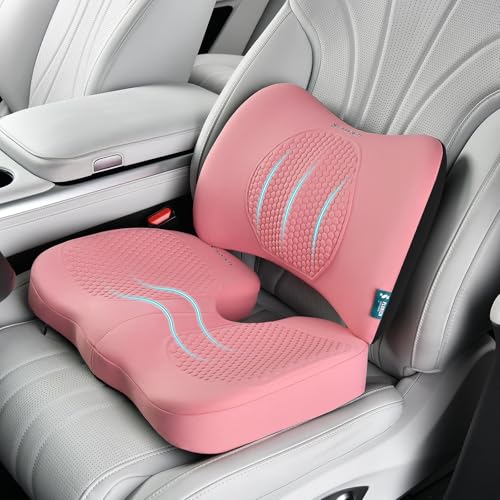
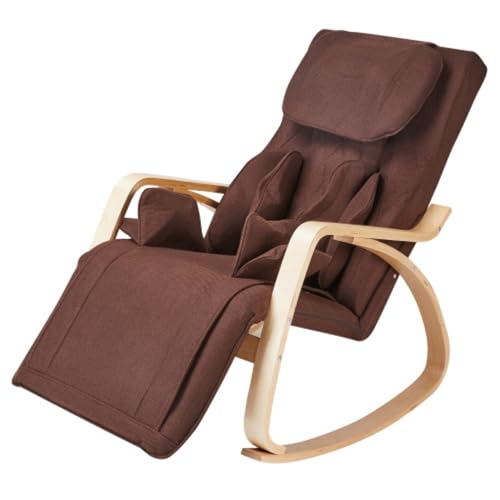
Physical therapy often includes manual massage as part of treatment, but therapist time is limited and expensive. A massage chair at home extends therapeutic benefit beyond clinic visits, providing daily treatment that supports recovery and maintains progress between appointments. For physical therapy patients, the right massage chair becomes a therapeutic tool rather than just a luxury - one that complements professional care and accelerates healing.


This guide covers how massage chairs support physical therapy goals, which features matter most for therapeutic use, and how to integrate home massage with professional treatment.
Table of Contents
- How Massage Supports Physical Therapy
- Top Massage Chairs for Physical Therapy Support
- Common PT Conditions and Massage
- Coordinating with Your Physical Therapist
- Key Features for Physical Therapy Support
- Using Massage for PT Goals
- Specific Condition Considerations
- Insurance and Documentation
- Quality and Investment
- What to Look For
- Final Thoughts
How Massage Supports Physical Therapy
Muscle Relaxation
For more information, check out our guide on Best Massage Chairs for Lower Back Pain.
Tight, contracted muscles resist stretching and limit range of motion. Massage relaxes these muscles, making them more receptive to the exercises and stretches physical therapy prescribes. Using massage before or after PT exercises can enhance their effectiveness.
The relaxation effect extends beyond immediate treatment. Regular massage maintains lower baseline tension levels, making each therapy session more productive.
Pain Management
Pain limits what patients can do in therapy. Massage reduces pain through multiple mechanisms, including releasing tension, improving circulation, and activating natural pain-relief pathways. Less pain means more productive therapy sessions and better exercise compliance at home.
The pain reduction supports the psychological aspect of rehabilitation. When treatment doesn't hurt as much, patients engage more fully with their recovery program.
Circulation Enhancement
Healing requires blood flow to deliver oxygen and nutrients while removing waste products. Massage mechanically promotes circulation, supporting the healing process. This matters particularly for injuries in areas with naturally limited blood supply.
Scar Tissue Management
After surgery or injury, scar tissue can restrict movement if it develops improperly. Massage helps keep healing tissue mobile and pliable. Proper scar tissue development supports better long-term function.
Maintaining Progress
Progress made in PT sessions can regress between appointments if muscles tighten back up. Daily home massage maintains the relaxation achieved in clinic, preserving progress rather than starting over each session.
This maintenance function may be the most valuable aspect of home massage for PT patients. Without consistent treatment, gains slip away between appointments.
Top Massage Chairs for Physical Therapy Support
Luraco i9 Max
The Luraco i9 Max's FDA registration for therapeutic claims makes it appropriate for medical applications. The medical-grade construction reflects quality standards suitable for therapeutic use. Made in USA manufacturing provides consistency and support infrastructure that matters for medical equipment.
The precision targeting allows directing treatment to specific areas therapists have identified. The body scanning ensures accurate positioning for therapeutic benefit. For patients seeking equipment that bridges home and clinical care, Luraco provides appropriate quality.
Osaki OS-Pro Maestro LE
The Osaki OS-Pro Maestro LE offers comprehensive therapeutic features at more accessible pricing than medical-grade alternatives. The 4D mechanism provides effective deep tissue work supporting muscle relaxation. The extensive programs address different therapeutic needs.
The L-track coverage addresses the full posterior chain that many PT conditions involve. Heat therapy enhances the massage effectiveness. For patients wanting therapeutic capability without clinical pricing, this chair delivers substantial value.
Infinity IT-8500 X3
The Infinity IT-8500 X3 provides solid therapeutic capability at value pricing accessible to more patients. The 3D/4D massage delivers effective treatment for PT support. The comprehensive air compression addresses circulation throughout the body.
The heated lumbar adds therapeutic value for back conditions. The intensity adjustability allows matching treatment to condition state. For budget-conscious PT patients, this chair provides meaningful support.
Common PT Conditions and Massage
Back Pain
Back pain is the most common reason for physical therapy referral. Massage addresses the muscle tension component of most back pain, complementing the strengthening and stretching exercises PT provides. A chair with strong lumbar coverage and L-track for lower back treatment supports back pain rehabilitation.
The combination of heat and massage proves particularly effective for back conditions. Heat relaxes muscles; massage releases tension. Together they address the muscle component of back pain effectively.
Neck and Shoulder Issues
Cervical problems and shoulder injuries benefit from massage that addresses surrounding muscle tension. Tight muscles can perpetuate pain and limit recovery. Quality neck and shoulder massage maintains the looseness PT achieves.
Post-Surgical Rehabilitation
After surgery, surrounding muscles often tighten protectively. As healing progresses and movement returns, massage helps these muscles release their guarding tension. Timing and intensity need to follow medical guidance.
Post-surgical patients must coordinate massage use with their surgical team. Some procedures require avoiding massage initially. Others benefit from massage starting soon after surgery. Always verify appropriate timing.
Chronic Pain Conditions
Fibromyalgia, chronic fatigue, and other conditions involving pain and tension respond to the gentle, consistent massage home chairs provide. Daily treatment may manage symptoms better than occasional professional massage.
Sports Injuries
Athletic injuries often involve muscle strain, overuse, and compensation patterns. Massage addresses these soft tissue components while PT focuses on strength, stability, and function.
Repetitive Strain
Carpal tunnel, tennis elbow, and similar conditions benefit from massage that addresses the muscle tension contributing to nerve compression or inflammation. Arm massage features matter for upper extremity conditions.
Coordinating with Your Physical Therapist
For more information, check out our guide on Best Massage Chairs for Neck and Shoulder Pain.
Getting Input
Before purchasing a massage chair for therapeutic purposes, discuss your plans with your physical therapist. They understand your specific condition and can advise on whether massage supports your treatment, which areas to focus on, and any precautions to observe.
Timing Relative to Exercises
Your therapist can advise whether massage works better before or after your home exercise program. Pre-exercise massage may warm up muscles; post-exercise massage may prevent tightening. The optimal timing depends on your specific condition and goals.
Intensity Guidance
Some conditions require gentle massage; others benefit from more aggressive treatment. Your therapist can guide appropriate intensity levels and progression as your condition improves.
Areas to Avoid
Certain injuries or surgical sites may require avoiding massage entirely or being very careful. Your therapist can identify any areas where massage is contraindicated for your situation.
Progress Monitoring
Let your therapist know how home massage affects your condition. This feedback helps them adjust your overall treatment plan and provides information about what's working.
Key Features for Physical Therapy Support
Adjustable Intensity
Therapeutic use requires matching intensity to your condition's current state. Early in recovery, gentle massage may be appropriate; later, more intense treatment may help. Multiple intensity levels let you progress as healing allows and dial back on sensitive days.
Zone-Specific Treatment
The ability to target specific body areas lets you focus massage on the regions your therapy addresses. Back pain patients need back-focused options; neck patients need effective neck massage. Zone control directs treatment where your specific condition needs it.
Heat Therapy
Heat relaxes muscles and increases blood flow, both beneficial for rehabilitation. Heat before massage makes muscles more receptive; heat during massage enhances relaxation. Multiple heat zones let you warm the areas most relevant to your condition.
Body Scanning
Accurate body scanning ensures massage targets your actual anatomy rather than generic positions. For therapeutic purposes, precise targeting matters more than for general relaxation.
L-Track for Lower Body
Back problems often involve glutes and hip muscles. L-track systems that massage under the seat address these areas that S-track chairs miss. For lower back rehabilitation, L-track coverage provides more complete treatment.
Stretching Programs
If available, stretching programs can complement PT exercises. The mechanical stretching some chairs provide adds another dimension to home treatment. Discuss stretching features with your therapist to see if they support your goals.
Using Massage for PT Goals
Pre-Exercise Warm-Up
Brief, gentle massage before your home exercise program can warm up muscles and increase blood flow. Sessions of 5-10 minutes at moderate intensity prepare tissues for the work ahead. Heat adds to the warm-up effect.
Post-Exercise Recovery
After completing PT exercises, massage helps muscles recover and prevents tightening. Sessions of 15-20 minutes of massage can maintain the flexibility your exercises achieved.
Rest Day Treatment
For more information, check out our guide on Best Massage Chairs for Chronic Pain.
On days without exercises, massage provides continued therapeutic input. This consistent daily treatment prevents backsliding between exercise days.
Pain Management Sessions
When pain flares, gentle massage may provide relief that supports continued participation in your therapy program. Use lower intensity during acute pain episodes.
Before Sleep
Evening massage promotes sleep quality that supports healing. The body repairs during sleep; better sleep means better recovery.
Specific Condition Considerations
Post-Operative Patients
After surgery, massage timing and location require medical guidance. You may need to avoid surgical sites for weeks or months. Start massage only after clearance from your surgeon or therapist. Focus on areas away from surgical sites that have developed compensatory tension.
Acute Injuries
Fresh injuries typically contraindicate massage until initial inflammation subsides. Ice and rest come first; massage enters later in the recovery process. Follow medical guidance on timing.
Chronic Conditions
Long-standing conditions often respond well to daily gentle massage. The consistency matters more than intensity. Building massage into daily routine provides cumulative benefit.
Neurological Conditions
Conditions affecting nerves may create sensory changes that affect appropriate massage intensity. Reduced sensation means you can't rely on pain to signal too much intensity. Work with your therapist on safe parameters.
Insurance and Documentation
Insurance Coverage
Some insurance policies cover medical equipment when prescribed. If your therapist or physician documents that a massage chair is medically necessary for your condition, coverage may be possible. Coverage varies widely - check with your insurer.
Getting Documentation
If pursuing insurance coverage, ask your therapist for documentation supporting medical necessity. A letter explaining how home massage supports your treatment may be required.
HSA/FSA Eligibility
Health savings accounts and flexible spending accounts may cover massage chairs with appropriate documentation. These tax-advantaged funds can reduce effective cost. Check your plan rules.
Quality and Investment
Therapeutic Quality Matters
For PT support, massage quality matters more than for simple relaxation. Weak massage that doesn't actually affect tissue provides little therapeutic value. Invest in chairs that deliver genuine therapeutic massage.
Budget Considerations
Quality chairs suitable for therapeutic use typically start around $2,500. This represents significant investment but compare to the cost of additional PT sessions or professional massage appointments. A chair providing daily treatment may offer better value than the same money spent on occasional professional sessions.
Long-Term Value
PT conditions often have long recovery periods or become chronic. A massage chair provides value throughout extended recovery and ongoing management. The investment pays off over months and years of daily use.
What to Look For
Extensive intensity adjustment matching your condition's needs. Zone control for targeted treatment. Heat in relevant areas. L-track if your condition involves lower back or hips. Quality construction for daily therapeutic use. Body scanning for accurate positioning. Features your physical therapist recommends for your specific condition.
Final Thoughts
Massage chairs can meaningfully support physical therapy by providing daily treatment between clinical appointments. The Luraco i9 Max provides medical-grade quality appropriate for therapeutic use. The Osaki OS-Pro Maestro LE offers comprehensive features at accessible pricing. The Infinity IT-8500 X3 delivers solid therapeutic capability at value pricing. The key is coordinating with your physical therapist to ensure massage supports rather than interferes with your treatment plan. Match chair features to your specific condition's needs. Use the chair consistently as part of your overall rehabilitation routine. For PT patients, a quality massage chair isn't a luxury purchase but a therapeutic tool that extends professional treatment into daily life.
For more information, check out our guide on Best Massage Chair Pads and Seat Cushions.