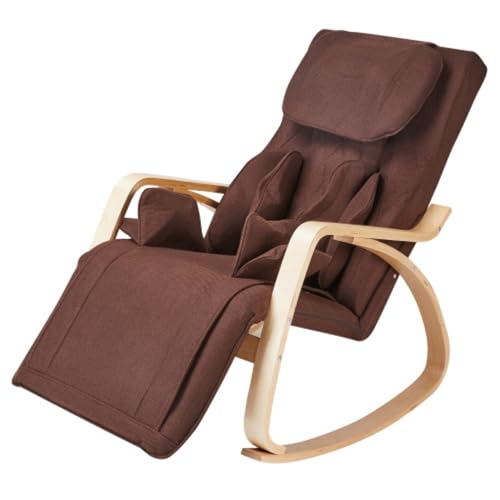
Construction work punishes the body in ways that office jobs simply don't. Lifting heavy materials, working in awkward positions, operating vibrating equipment, and spending hours on concrete floors creates physical strain that accumulates daily and compounds over a career. Many construction workers deal with chronic pain by their 40s if not sooner. A massage chair provides the daily recovery that helps construction workers stay functional and extend their working years.


This guide addresses the specific physical demands construction workers face and which massage chair features address them most effectively.

Table of Contents
Physical Demands of Construction
Heavy Lifting
For more information, check out our guide on Best Massage Chairs for Lower Back Pain.
Construction involves moving materials that weigh from dozens to hundreds of pounds. Lumber, drywall, concrete blocks, equipment - the lifting never stops. This load stresses the lower back, shoulders, and arms constantly. Over time, discs compress, muscles strain, and joints wear.
Even with proper lifting technique, the volume of lifting construction requires takes a toll. There's no way to lift hundreds of pounds daily without physical cost.
Awkward Positions
Much construction work happens in positions the body isn't designed to maintain. Working overhead taxes shoulders and neck. Crouching and kneeling stresses knees and hips. Bending into tight spaces strains the back. These positions are often held for extended periods while performing demanding tasks.
Vibration Exposure
Power tools, heavy equipment, and machinery transmit vibration into the hands, arms, and whole body. This vibration damages tissue over time, contributing to conditions like hand-arm vibration syndrome. The cumulative effect of years of vibration exposure creates chronic problems.
Impact on Hard Surfaces
Standing and walking on concrete all day stresses legs and feet. The unyielding surface provides no cushioning, and impact transfers through joints with every step. By career end, many construction workers have significant joint deterioration from this cumulative impact.
Repetitive Movements
Hammering, sawing, drilling - construction involves thousands of repetitive motions daily. These repetitions create overuse injuries in shoulders, elbows, wrists, and hands. Carpal tunnel, tennis elbow, and rotator cuff problems are common in the trades.
Key Massage Chair Features for Construction Workers
Deep Tissue Capability
Construction builds dense, strong muscles that require powerful massage to penetrate. Gentle massage designed for office workers won't cut it. Look for 3D or 4D roller technology with significant depth extension. The chair should be able to work through developed muscle tissue to reach deep tension.
Test massage intensity at maximum settings during evaluation. If the strongest setting feels weak to you, the chair isn't built for construction worker needs.
L-Track for Lower Back and Glutes
Lower back problems are nearly universal in construction. L-track systems that extend under the seat address not just the lumbar spine but the glutes and upper hamstrings that connect to it. This extended coverage matters because construction-related back issues often involve the entire posterior chain, not just the lower back itself.
Strong Lumbar Heat
Heat relaxes muscles and increases blood flow for recovery. The lumbar region needs this most for construction workers. High-quality lumbar heating should be a non-negotiable feature. Additional heat zones in calves or upper back add value.
Comprehensive Leg and Foot Massage
Standing on concrete creates leg fatigue and foot stress that needs daily treatment. Calf massage with firm compression promotes circulation and relieves tired muscles. Foot rollers should provide real pressure, not just surface tickling. Quality foot massage helps combat the impact of hard-surface standing.
Shoulder and Neck Treatment
Overhead work taxes shoulders and neck heavily. Look for chairs with effective shoulder massage - adjustable width to match your build, sufficient roller or airbag coverage to actually treat shoulder muscles. Neck massage should reach your neck, not just your upper back.
Arm Massage
Arms take significant abuse in construction. Airbag compression for forearms and hands helps address the repetitive strain from tools and lifting. This feature isn't universal, so specifically verify arm massage capability if it matters to you.
Zero Gravity Positioning
After a day of physical labor, taking pressure off the spine matters. Zero gravity positioning distributes weight evenly and removes gravitational compression from the back. Most construction workers find this position extremely relieving after work.
Usage Patterns for Construction Workers
For more information, check out our guide on Best Massage Chairs for Chronic Pain.
Post-Work Recovery
Coming home exhausted, a massage session should be part of daily recovery. Run a comprehensive program addressing full body fatigue. 20-30 minutes allows treatment of accumulated stress from the day's work.
Make this non-negotiable rather than optional. Consistent daily recovery prevents strain from accumulating into serious problems.
Pre-Work Preparation
Morning sessions before work can help with stiffness and prepare muscles for the day's demands. Keep these shorter - 10-15 minutes - and at moderate intensity. You want to warm up, not exhaust yourself before work begins.
Weekend Deep Recovery
The physical demands of a full work week require more recovery than brief daily sessions provide. Weekend sessions can be longer and more intensive, addressing cumulative strain that quick daily sessions don't fully resolve.
Addressing Specific Problems
When particular body areas flare up from specific tasks, use your chair's zone programs to target them. Did you spend all day overhead? Focus on shoulders. Heavy lifting session? Extra attention to lower back. Match treatment to the specific work you did.
Durability Considerations
Built for Larger Bodies
Many construction workers are larger and heavier than average. Check weight capacity carefully - it should exceed your weight by a comfortable margin. Chairs rated for 250 pounds don't work well for someone who weighs 240.
Larger frames need chairs with adequate width too. Feeling cramped in the seat undermines relaxation and massage effectiveness.
Construction for Heavy Use
Daily use by a physically demanding user tests chair durability. Look for robust construction - metal frames, quality upholstery, reliable motors. Budget chairs often can't handle the consistent use construction workers require.
Warranty Protection
Given how much you'll use the chair, warranty coverage matters significantly. Look for at least 3-year parts coverage and consider chairs with longer warranties. Repair costs add up on cheaper chairs that break down.
Budget Reality
The Investment Perspective
Quality massage chairs suitable for construction worker needs cost $3,000-5,000. This is significant money, but consider the alternative costs: regular professional massage at $100+ per session, physical therapy visits, medication for chronic pain, or lost work days from injury.
A chair that helps you work pain-free for additional years has enormous economic value beyond the daily comfort it provides.
What to Avoid
Budget chairs under $1,500 typically lack the power and durability construction workers need. They feel weak, break down faster, and don't address developed muscles effectively. Spending more upfront usually provides better value over time.
Financing Options
Many retailers offer financing that spreads the cost over months or years. If cash outlay is a barrier, financing makes quality chairs accessible while preserving savings for other needs.
Space and Placement
For more information, check out our guide on Best Zero Gravity Massage Chairs.
Home Considerations
Massage chairs are large furniture pieces. Measure your space before buying. You need room for the chair plus clearance for reclining. Corner placement often works well.
Accessibility
Place the chair where you'll actually use it daily. If it's in a basement you rarely visit, you won't use it consistently. Convenient placement supports the daily habit that provides real benefit.
Complementary Recovery Practices
Stretching
Massage works better when combined with stretching. The massage loosens tissue; stretching maintains and extends that flexibility. Brief stretching after massage sessions amplifies the benefits.
Hydration
Physical labor and massage both work better with adequate hydration. Drink water throughout work and after massage to support muscle function and recovery.
Quality Sleep
Sleep is when the body actually repairs itself. Evening massage improves sleep quality, which enhances recovery. Prioritize sleep alongside your massage routine.
Proper Lifting and Ergonomics
Massage addresses strain after it occurs. Better technique reduces strain in the first place. Using proper form prevents some damage that massage then doesn't need to address.
Long-Term Perspective
Career Sustainability
Construction careers often end prematurely due to accumulated physical damage. Workers whose bodies give out lose earning capacity years before planned retirement. Investing in recovery extends the number of productive years your body can handle.
Quality of Life
Beyond work capacity, physical condition affects overall life quality. Chronic pain limits activities outside work, strains relationships, and diminishes enjoyment of life. Managing physical stress through massage supports broader wellbeing.
Compounding Benefits
Consistent recovery prevents problems from compounding. Small strains that get addressed don't become injuries. Tension released daily doesn't build into chronic pain. The benefit of regular massage grows over time as prevented problems don't materialize.
What to Look For
Deep tissue capability with 3D or 4D rollers that actually penetrate developed muscle. L-track coverage from neck through glutes. Strong lumbar heat. Comprehensive leg and foot massage for concrete-standing fatigue. Shoulder and neck treatment with adjustable width. Weight capacity exceeding your size with margin to spare. Durable construction with solid warranty.
Final Thoughts
Construction work takes an inevitable physical toll, but how that toll accumulates depends on recovery practices. A quality massage chair provides daily treatment that professional massage can't match in frequency or convenience. For construction workers, this isn't a luxury purchase - it's an investment in career longevity and quality of life. Choose a chair with the power to address developed muscles, the coverage to treat your entire body, and the durability to handle daily use over many years. The investment pays for itself in reduced pain, sustained work capacity, and years of productive career that might otherwise be lost to accumulated injury.
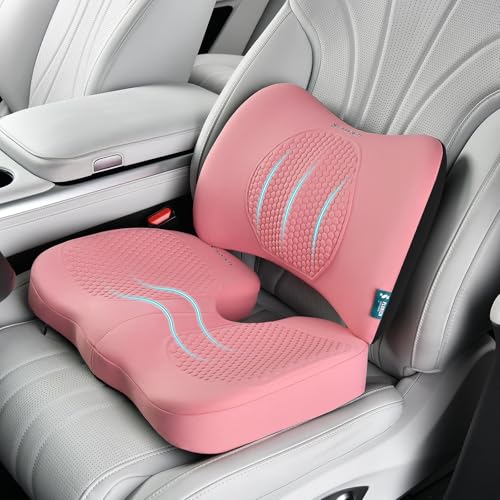
For more information, check out our guide on Best Massage Chair Pads and Seat Cushions.