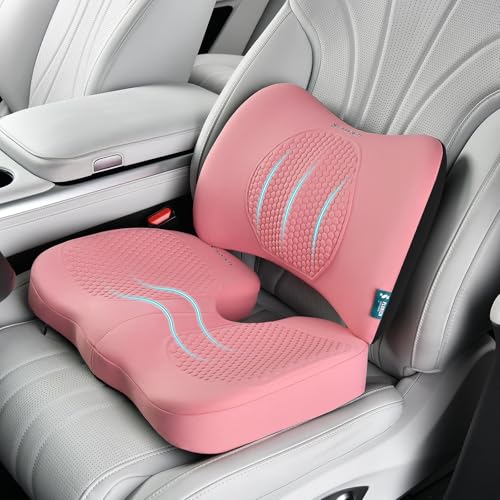
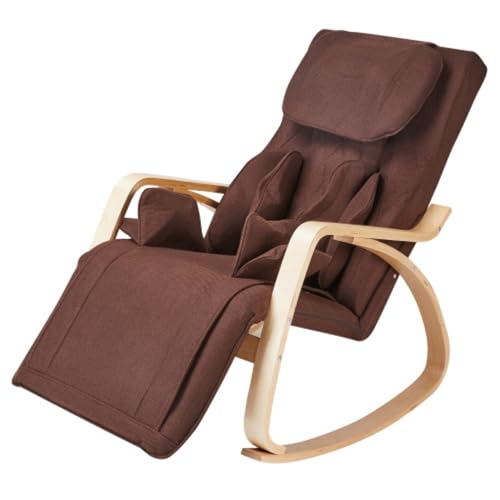
Not everyone has space or budget for a full massage chair, but that doesn't mean you can't enjoy massage benefits. Massage chair cushions and seat pad alternatives provide many of the same features as full chairs at a fraction of the cost and space requirement. These portable devices transform ordinary chairs into massage experiences, offering flexibility that full chairs can't match. Understanding what these alternatives offer—and their limitations—helps you decide whether they meet your needs.


This guide covers the different types of massage cushions and pads, what to expect from them, and how to choose the right option for your situation.

Table of Contents
Types of Massage Cushions and Pads
Back Massage Cushions
For more information, check out our guide on Best Massage Chairs for Lower Back Pain.
Back massage cushions attach to existing chairs and provide roller or vibration massage for the back. Most strap onto office chairs, recliners, or car seats using adjustable straps. They typically offer massage from the neck to the lumbar region, with varying degrees of coverage and intensity.
Higher-end back cushions include actual rolling mechanisms that move up and down the spine, mimicking the roller action of full massage chairs. Budget options often use vibration motors instead, which provide different sensation but less deep tissue effect.
Many back cushions include heat therapy—heating elements in the lumbar region that complement the massage action. This combination of massage and heat addresses lower back tension effectively.
Seat Cushions with Massage
Seat cushions focus on the buttocks and thighs rather than the back. These typically use vibration motors positioned throughout the cushion to provide stimulation to the seated surfaces. Some include heat for additional comfort.
Seat cushions help with circulation during prolonged sitting and provide gentle muscle stimulation. They don't deliver deep tissue massage but offer comfort enhancement that can reduce fatigue during long periods of sitting.
Full Seat-Back Combination Units
Combination units cover both the back and seat, providing more comprehensive coverage than either type alone. These larger cushion systems may include neck massage, back rollers, seat vibration, and sometimes even thigh massage.
The trade-off is increased size and weight. Combination units are less portable than simple back cushions but still far more movable than full massage chairs. They're often designed for home use on a specific chair rather than moving between locations.
Neck and Shoulder Massagers
Dedicated neck and shoulder devices wrap around the neck or rest on the shoulders, targeting the upper body areas that carry the most tension for many people. These don't attach to chairs but are used while seated or lying down.
Shiatsu-style neck massagers with rotating nodes can provide surprisingly effective neck massage. They're particularly popular because neck tension is so common and full massage chairs often don't address the neck as effectively as dedicated devices.
Car Seat Massagers
Car-specific massage cushions are designed to work with vehicle seats and 12-volt power supplies. They help with the fatigue and tension that develops during long drives. Features typically include back massage, lumbar heat, and sometimes seat vibration.
The car environment presents unique challenges—vibration from the road, limited power, and seat design variations. Car-specific cushions address these challenges in ways general cushions may not.
Foot Massagers
Standalone foot massagers provide foot massage without the full chair investment. These range from simple roller devices to elaborate units with air compression, heat, and shiatsu-style kneading. For people whose primary concern is foot pain or fatigue, dedicated foot massagers may serve better than full chairs.
Comparing Cushions to Full Chairs
What Cushions Do Well
Portability is the biggest advantage of massage cushions. You can move them between rooms, take them to work, use them in the car, or store them when not needed. Full massage chairs occupy permanent space; cushions adapt to your life.
Cost is dramatically lower. Quality massage cushions cost $100-$400; quality massage chairs cost $2,000-$6,000. This difference makes massage accessible to people who can't justify or afford full chair investments.
Space efficiency matters in smaller homes. A cushion that stores in a closet allows massage benefits without dedicating living space to permanent equipment.
Versatility lets you use existing furniture. Your favorite recliner, office chair, or car seat becomes a massage location. You're not limited to using a specific piece of furniture when you want massage.
What Cushions Can't Match
Full body coverage isn't possible with cushions. Even combination units can't provide the comprehensive head-to-toe treatment that quality massage chairs deliver. Legs, calves, and feet typically aren't addressed by cushion systems.
Deep tissue intensity generally falls short of full chairs. The rolling mechanisms in cushions are usually smaller and less powerful than those in dedicated chairs. People needing intensive therapeutic massage may find cushions inadequate.
L-track coverage for glutes isn't available in cushion form. If hip and glute massage is important to you, full chairs with L-track are essentially the only option.
Zero gravity positioning and body stretching features require the structural support of full chairs. These benefits aren't available in portable cushion form.
Durability often favors full chairs. Cushion mechanisms may wear out faster under heavy use than the more robust systems in quality massage chairs.
Choosing the Right Cushion Type
For Office Use
For more information, check out our guide on Best Massage Chairs for Neck and Shoulder Pain.
Back cushions that attach to office chairs address the tension that desk work creates. Look for models with quiet operation—loud massage motors disrupt work environments. Heat in the lumbar region provides comfort without drawing attention.
Consider whether you want the cushion to stay on your chair permanently or whether you'll remove it for video calls or when others use your workspace. Slimmer profiles are less noticeable.
For Car Use
Car-specific cushions work with 12-volt power and are designed for vehicle seat shapes. Heat is particularly valuable for cold weather driving. Look for secure attachment that won't shift during driving—loose cushions are both uncomfortable and potentially unsafe.
For Home Relaxation
Home use allows larger, more feature-rich cushions since portability matters less. Combination units that cover back and seat provide more comprehensive treatment. Consider which of your existing chairs would host the cushion—recliners often work better than rigid chairs.
For Travel
Travel use demands compact, lightweight options. Small back cushions or dedicated neck massagers that fit in luggage provide relief during trips. Battery-powered options eliminate the need to find outlets.
For Specific Problem Areas
If neck tension is your primary concern, dedicated neck massagers may serve better than cushions that spread attention across the entire back. Foot massagers target foot-specific issues better than any cushion system. Match the device to your specific needs.
Key Features to Evaluate
Massage Mechanism Type
Rolling mechanisms provide more authentic massage chair-like experience. Vibration is simpler and often less effective for deep tension but can be pleasant and relaxing. Shiatsu-style rotating nodes provide targeted pressure. Understand what type of massage action you're getting.
Adjustability
Intensity adjustment lets you customize the massage to your preference and sensitivity. Zone control lets you focus on specific areas. Position adjustment for rollers helps target where you actually need treatment.
Heat Options
Heat significantly enhances massage effectiveness for many users. Look for adjustable heat intensity and heat in the areas you most need—typically lumbar for back cushions.
Size and Fit
Cushions must fit the chairs you'll use them on. Check dimensions against your intended host chairs. Consider back height coverage—some cushions cover only the lumbar region while others extend to the shoulders.
Power Source
For more information, check out our guide on Best Massage Chairs for Chronic Pain.
AC-powered cushions require outlets but provide consistent power. Car adapters enable vehicle use. Battery-powered options offer maximum portability but may have limited run time or intensity.
Attachment Method
Straps should securely hold the cushion to chairs without slipping during use. Quality attachment prevents the frustration of cushions that shift out of position mid-massage.
Budget Expectations
Entry Level ($50-$100)
Basic vibration cushions with minimal features. These provide pleasant sensation but limited therapeutic value. Adequate for occasional relaxation, likely insufficient for serious tension relief.
Mid-Range ($100-$250)
Rolling mechanisms, heat therapy, and more adjustment options. These provide genuine massage benefit and can meaningfully address muscle tension. Good value for regular use.
Premium ($250-$500)
The most comprehensive cushion systems with multiple zones, shiatsu-style mechanisms, and extensive features. These approach the effectiveness of basic massage chairs for back treatment, though still without leg coverage.
Realistic Expectations
What You'll Get
Quality massage cushions provide real muscle tension relief for the areas they cover. They're particularly effective for neck, upper back, and lumbar tension from desk work. Regular use can meaningfully improve comfort and reduce pain in these areas.
What You Won't Get
Full-body coverage, deep tissue intensity matching quality chairs, L-track glute massage, zero gravity positioning, and body stretching aren't available in cushion form. If these features are important to you, cushions won't substitute for a full chair.
When Cushions Make Sense
Cushions make sense when budget or space prevents full chair purchase, when portability is important, when your needs focus on back and neck rather than full body, or as a supplement to occasional professional massage rather than a complete solution.
When Full Chairs Are Worth It
If you have chronic pain requiring intensive treatment, need leg and foot massage, want zero gravity or stretching features, or will use massage daily for years, the full chair investment may provide better long-term value despite higher upfront cost.
Conclusion
Massage cushions and seat pad alternatives provide accessible, portable, affordable options for people who can't accommodate full massage chairs. They effectively address back and neck tension, offer flexibility full chairs can't match, and cost a fraction of complete chairs. Understand their limitations—no leg coverage, less intensity, no L-track—and choose based on your actual needs. For many people, a quality massage cushion provides sufficient benefit without the space and cost commitment of a full massage chair.
For more information, check out our guide on Best Massage Chair Pads and Seat Cushions.