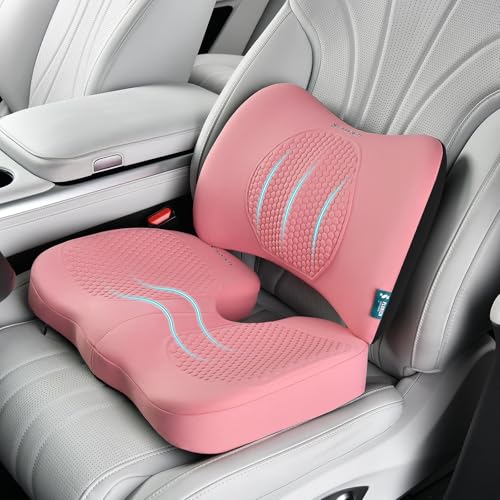
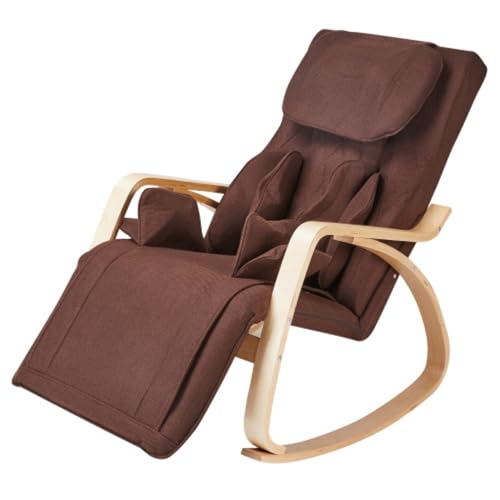
Massage chairs do an excellent job covering most of your body, but they can't reach everywhere. That's where handheld massagers come in. These portable devices let you target spots your chair misses or give extra attention to problem areas that need more work than a chair program provides. The right handheld massager complements your massage chair investment and fills gaps in your home massage setup.


This guide covers the types of handheld massagers that pair well with massage chairs, what to look for, and how to use them together effectively.

Table of Contents
Why Add a Handheld Massager
Reaching What Chairs Miss
For more information, check out our guide on Best Massage Chairs for Neck and Shoulder Pain.
Massage chairs excel at backs, legs, and feet but struggle with certain areas. The sides of your body, outer thighs, forearms, and specific trigger points often get minimal attention during chair sessions. A handheld massager lets you address these overlooked spots.
Even areas that chairs do cover sometimes need more focused work. If you have a persistent knot in your shoulder, your chair's rollers pass over it briefly during their programmed path. A handheld massager can stay on that spot for as long as needed.
Portability
Your massage chair stays in one place. A handheld massager goes anywhere - the office, gym, car, or vacation. When you're away from home and your back starts acting up, a portable massager provides relief your stationary chair can't.
Targeted Intensity
Handheld massagers let you apply exactly the pressure you want to exactly the spot you want. You control everything - angle, depth, duration, movement pattern. This precision isn't possible with chair programs designed for general use.
Cost-Effective Supplementation
A quality handheld massager costs $50-300, a fraction of massage chair prices. This small additional investment significantly expands your home massage capabilities without buying a second chair or upgrading to a more expensive model.
Types of Handheld Massagers
Percussion Massagers (Massage Guns)
These have become extremely popular and for good reason. Percussion massagers deliver rapid, repetitive strikes that penetrate deep into muscle tissue. The punching action reaches beyond what kneading or vibration can access, making them effective for tight muscles and recovery from exercise.
Percussion massagers come with interchangeable heads for different applications - round balls for general use, bullet tips for trigger points, flat heads for large muscle groups, fork attachments for spine work. This versatility makes one device suitable for many needs.
Prices range from under $100 for basic models to $400+ for premium options. Mid-range devices around $150-200 often hit the sweet spot of quality and value.
Vibrating Massagers
Traditional vibrating massagers oscillate rather than strike. The sensation differs from percussion - more surface-level buzzing than deep penetration. Vibrating massagers work well for general relaxation and light muscle tension.
These tend to cost less than percussion massagers and may be quieter. For people who find percussion too intense, vibration provides a gentler alternative.
Kneading Massagers
Kneading massagers use rotating nodes that simulate finger pressure. They work particularly well on shoulders and neck when draped over these areas. The squeezing, rolling motion feels similar to human hands.
Neck and shoulder massagers with heating elements fall into this category. They provide focused treatment for the upper body areas where many people carry stress.
Roller Massagers
Foam rollers and stick rollers use your body weight or applied pressure for massage. They're especially popular for leg and IT band work. No batteries, no motors - just you and a cylinder.
Roller massagers cost less than powered options but require more effort and technique. They work well for large muscle groups but can't match powered devices for precision trigger point work.
Infrared and Heat Massagers
Some handheld massagers incorporate infrared heat that penetrates into tissue. The warmth relaxes muscles and enhances the massage effect. These work particularly well for chronic tension and stiff joints.
Matching Massagers to Your Needs
For Athletic Recovery
If you exercise regularly and use your massage chair for recovery, a percussion massager makes an excellent companion. The deep tissue work helps break up lactic acid buildup, reduce soreness, and prepare muscles for the next workout. Use it before your chair session to loosen specific areas, or after to target spots that still feel tight.
For Desk Worker Tension
Office workers dealing with neck and shoulder tension benefit from a kneading massager designed for the upper body. Keep it at your desk for quick tension relief during work. Use your massage chair for comprehensive sessions at home while the handheld device handles during-the-day maintenance.
For Chronic Pain
For more information, check out our guide on Best Massage Chairs for Chronic Pain.
Chronic pain often involves specific trigger points that need more attention than general massage provides. A percussion massager with a pointed attachment lets you work these spots directly. The combination of daily chair maintenance plus targeted trigger point work addresses both overall muscle health and specific problem areas.
For Travel
Frequent travelers miss their massage chair while on the road. A compact percussion massager or travel-sized vibrating massager fills the gap. Look for airline-friendly models with travel cases.
Features to Look For
Battery Life
For cordless massagers, battery life determines usability. Look for at least 2-3 hours of use per charge for regular percussion massagers. Quick charging helps when you forget to plug in.
Weight and Ergonomics
You'll be holding the device for extended periods. A heavy massager causes arm fatigue before you finish treating target areas. Look for balanced designs with comfortable grips. Under 2.5 pounds works well for most people.
Noise Level
Percussion massagers can be loud - some sound like power tools. If you'll use it at work, in shared spaces, or late at night, check noise ratings. Quieter models exist but may cost more.
Speed and Intensity Settings
Multiple speed settings let you adjust intensity for different body areas and sensitivity levels. Your calves might handle high intensity while your neck needs gentler treatment. At least 3-5 speed options provide adequate flexibility.
Attachment Variety
For percussion massagers, multiple heads expand versatility. At minimum, look for a round ball, a bullet or cone, and a flat head. Additional specialized attachments add value if you have specific needs.
Build Quality
Cheap massagers often fail within months. Look for solid construction, quality materials, and warranties of at least one year. Reading user reviews about long-term durability helps avoid disappointing purchases.
Using Handheld Massagers with Your Chair
Pre-Chair Warm Up
Use your handheld massager for 5-10 minutes before sitting in your massage chair. Target your tightest areas to begin loosening them. When the chair's rollers reach these pre-treated areas, they can work more effectively on tissue that's already beginning to release.
Post-Chair Follow Up
After your chair session, use the handheld device on any spots that still feel tight. The chair did the bulk work; the handheld finishes the job on stubborn areas. This approach ensures no problem spots get left unaddressed.
During-Session Supplementation
Some people use a handheld massager on their arms, hands, or scalp while the chair works their back and legs. This multi-tasking covers more body area in the same time period.
On Non-Chair Days
For more information, check out our guide on Best Massage Chairs for Muscle Knots.
When you don't have time for a full chair session, a quick 5-minute handheld massage maintains some muscle health. It's not equivalent to a full session but helps prevent tension from building up between chair uses.
Best Practices for Handheld Massager Use
Start Light
Begin with lower intensity settings and increase gradually. Jumping straight to maximum power can bruise tissue or cause soreness. Let your muscles adapt to the treatment.
Don't Overdo Duration
For percussion massagers especially, limit time on any single spot to 30-60 seconds. Extended percussion on one area can damage tissue. Move around, addressing multiple areas rather than hammering one spot.
Avoid Bones and Joints
Direct your massage to muscle tissue, not directly on bones, spine, or joints. Percussion or intense pressure on these areas can cause injury. Stay on the meaty parts of muscles.
Hydrate
Massage releases metabolic waste from muscles. Drinking water helps your body flush these substances. Stay hydrated on days you use massage devices.
Price Considerations
Budget ($30-80)
Basic percussion massagers and quality vibrating devices fall here. They work but may lack power, battery life, or durability of pricier options. Fine for occasional use or trying out the category.
Mid-Range ($100-200)
Quality percussion massagers with good battery life, multiple attachments, and solid construction. This range offers the best value for regular users. Expect reliable performance and 2+ year lifespan.
Premium ($250-400+)
Top-tier devices with quiet operation, extended battery, professional-grade power, and premium build quality. Worth it for daily users, athletes, or those who want the best available.
Popular Combinations
Massage Chair + Massage Gun
The most versatile combination. Your chair handles full-body relaxation and general muscle maintenance. The massage gun targets specific issues with precision. Together they cover essentially any massage need you'll encounter.
Massage Chair + Neck Massager
If your primary problem area is neck and shoulders, adding a dedicated neck massager makes sense. Use it at work during the day, use your chair at home in the evening. The neck massager provides on-demand relief whenever tension builds.
Massage Chair + Foam Roller
Athletes often combine these for recovery. The foam roller handles pre-workout prep and IT band work that chairs can't reach. The massage chair provides post-workout recovery and relaxation.
Final Thoughts
A handheld massager extends your massage chair's capabilities without major expense. Whether you choose a percussion massager for deep tissue work, a neck massager for upper body focus, or a simple vibrating device for general use, the addition fills gaps that chairs can't cover. Consider your specific needs, primary problem areas, and where you'd use a portable device to guide your selection. The combination of a quality massage chair and well-chosen handheld massager creates a comprehensive home massage solution.
For more information, check out our guide on Best Massage Chair Pads and Seat Cushions.